When do the leaves change in Germany?
Germany's beech woods turn from gold to copper across the Black Forest, Bavarian Alps and Harz Mountains, with peak color in mid-to-late October along classic drives through the Baden-Württemberg and Bavarian foothills.
Peak: October 14–October 24
Color builds from October 5 · mostly bare by November 7
This window comes from 84 weather points across Germany, checked against 4 published peak dates from germany.travel. This year's weather has the peak running 1 day earlier than a normal year. Peak dates spread about 10 days inside Germany, so the high ground turns well before the valleys. How the forecast works
Known for
Things to do in fall in Germany
2 iconic stops, including scenic drives, farms, haunts, and the views locals plan their October around.
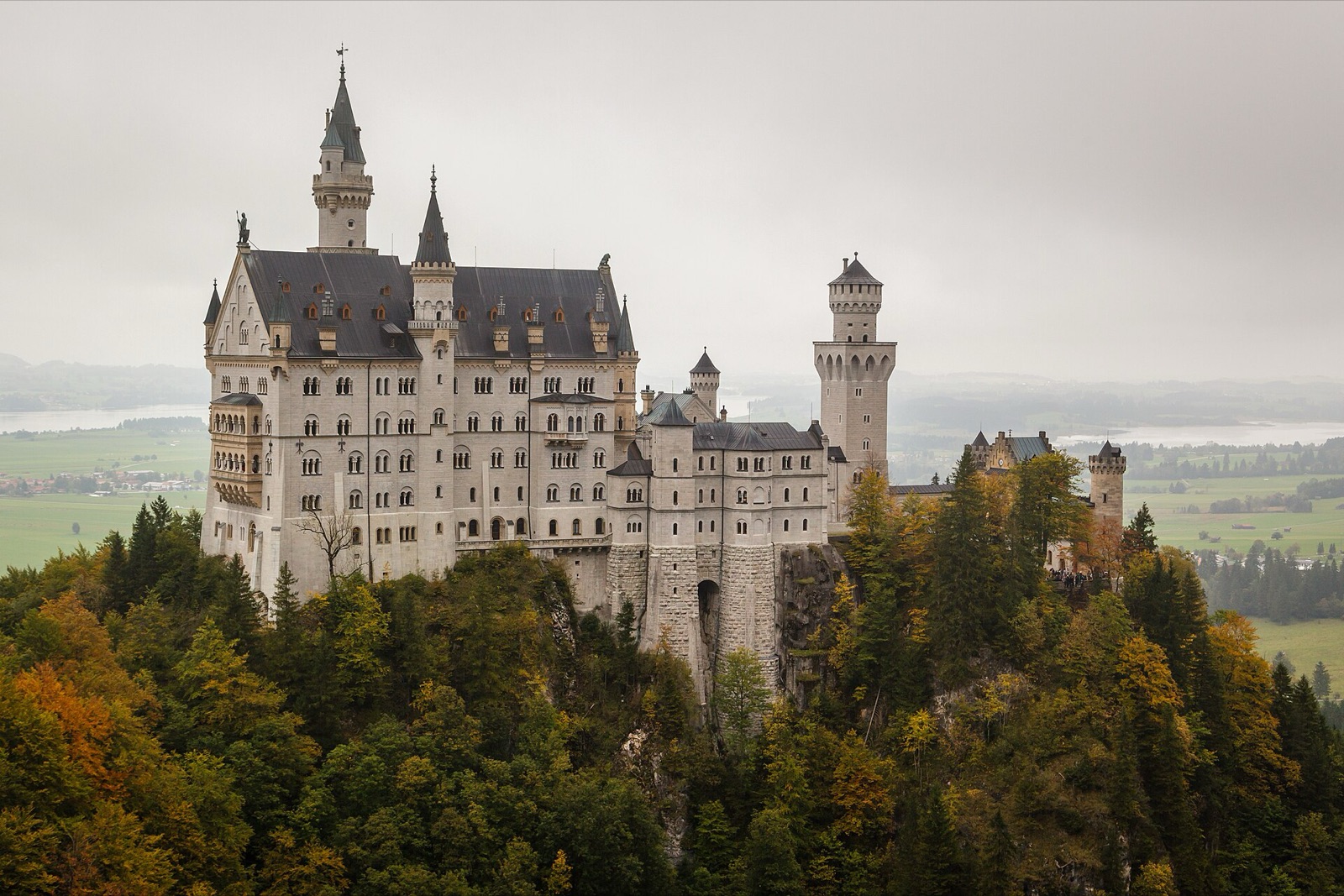
Neuschwanstein Castle
ViewpointPeak September 25
Ludwig II's fairy-tale castle above Hohenschwangau turns its beech-and-maple hillside gold each October, best seen from the Marienbrücke…
Englischer Garten
City parkPeak October 8
One of the world's largest urban parks, bigger than Central Park, turns amber through its plane-tree avenues and the meadows around the…
Guides
Bavaria in Autumn: The Complete Guide
Bavaria's autumn runs on two clocks. Down in Munich and the lake country, trees turn through a mellow, sunlit stretch locals call "goldener Oktober." Up in the Alps, larch and beech move on their own elevation schedule, weeks apart from the lowlands. This guide covers both, plus the lakes, gorges, and cattle-drive festivals that make a Bavarian fall trip work.
Golden October, Bavaria's Signature Season
Goldener Oktober isn't a marketing phrase: it describes a real, recognizable weather pattern. After the autumn equinox, high pressure frequently parks itself over Central Europe for a stretch of days or weeks, bringing crisp mornings, mild afternoons, and the kind of flat, even light that makes Bavaria's beech and chestnut forests glow rather than glare. It isn't guaranteed every year, but it's common enough that locals plan weekends around it, and it's the backdrop for most of the classic Bavarian autumn photographs you've seen.
This pattern belongs mostly to the lowlands and foothills: Munich, the lake district around Starnberg and the Chiemsee, and the rolling farmland in between. October 14–October 24, 2026 (forecast) tracks the statewide window, but the golden-October effect is really a lowland phenomenon layered on top of it; the high country to the south runs on an entirely different schedule, covered next.
Compared with the deciduous forests further west and north, Bavaria's color leans heavily on beech, its most common native tree, rather than the maple-dominated palette of somewhere like the Black Forest. The result is a color range that runs more through amber, copper, and bronze than the fire-engine reds you'd find elsewhere, a subtler effect that rewards slower, closer looking.
Beech Below, Larch Above
Two species do most of the work in Bavaria, and they don't turn at the same time or in the same place. Beech dominates the lower and middle elevations across the state, from city parks to foothill forests, turning a warm amber-to-copper that holds on the branch for weeks. Larch is the outlier: it's a conifer that behaves like a deciduous tree, and it's the signature color of the high Alps, turning a luminous gold before dropping its needles entirely, something no pine or spruce nearby will do.
Because larch grows at elevation and beech dominates lower ground, the two seasons rarely overlap cleanly. High alpine larch above Berchtesgaden or in the Ammergau Alps typically turns and peaks first, weeks before the beech forests around Munich and the lake country catch up. October 14–October 24, 2026 (forecast) gives you the statewide forecast, but treat the mountains as running well ahead of it and the lowlands as running behind. If you want the mechanics behind why a conifer would lose its needles like a deciduous tree in the first place, this explainer on leaf color covers the chemistry in more depth.
The Ammergau Alps and the Villages Beneath Them
The Ammergau Alps, southwest of Munich, pair mountain scenery with some of Bavaria's most distinctive villages. Oberammergau's houses are covered in Lüftlmalerei, painted trompe-l'oeil frescoes on their exteriors, set against forested slopes that mix beech gold with the darker green of spruce. A short distance away, Ettal Abbey anchors a working monastery in a broad, forest-ringed valley, and Linderhof Palace, the smallest and most intimate of Ludwig II's royal building projects, sits inside its own landscaped park that turns color right along with the surrounding hillside.
The peaks above these villages (Kofel above Oberammergau chief among them) carry mixed beech and larch on their lower flanks, giving the whole area a layered look: warm color at village level, cooler green climbing toward bare rock. It's an easy region to slow down in, with walking trails that range from flat valley paths to real climbs, and it rewards a full day rather than a quick pass-through on the way to somewhere else.
Berchtesgaden's High Country
Berchtesgaden sits in a pocket of Bavaria nearly surrounded by Austria, and its national park holds some of the most dramatic alpine scenery in the country. The Watzmann massif dominates the skyline, and larch stands climb its lower slopes in bands of gold that stand out sharply against bare limestone above and dark spruce below. The Kehlsteinhaus overlook, reachable by a dedicated bus route up a private mountain road, gives a sweeping view back down over the larch-covered ridges toward the Alps proper.
Because the park sits right against the border, it's a natural jumping-off point if you're extending a trip into the Austrian Alps, where the same larch color continues across the ridgeline with no real change in character, just a change in currency. Trails here range from easy lakeside walks to serious mountain routes, and given how quickly weather shifts at this elevation, it's worth checking conditions the same day you plan to hike rather than the night before.
Lakes That Double the Color
Bavaria's lakes turn every hillside into two hillsides, one real and one reflected, and each of the big three has its own character. Eibsee, at the foot of the Zugspitze near Grainau, is known for water so clear it reads turquoise even in low light, dotted with small wooded islands and ringed by a forest path that keeps the peak in view the entire way around. Königssee, further east near Berchtesgaden, is fjord-like and steep-walled, accessible mainly by quiet electric boats that carry visitors past larch-streaked cliffs to the onion-domed chapel of St. Bartholomä. Walchensee, one of Germany's deepest alpine lakes, trades intimacy for scale: big open water, high peaks on every side, and a short connecting road to the smaller Kochelsee nearby.
Calm, early morning conditions are what make these lakes worth building a day around, since reflections fall apart the moment wind picks up. If you're planning to shoot any of them seriously, this photography guide covers how to work with still water and low-angle light, both of which these lakes have in abundance on a good morning.
Riding to the Zugspitze
The Zugspitze is Germany's highest peak, straddling the border with Austria, and it's also the fastest way to watch the season change in real time. A cogwheel railway climbs from Garmisch-Partenkirchen, and a cable car rises directly from the shore of Eibsee, both delivering you from full color at the base to bare rock and early snow near the summit in well under an hour. Partway up, you pass through the exact transition this guide keeps describing: beech giving way to spruce, spruce giving way to larch, larch giving way to nothing at all above the treeline.
It's a genuinely efficient way to see both of Bavaria's autumn seasons in a single outing, especially for travelers on a tight schedule who can't spare separate days for the lowlands and the high country. The same larch-to-bare-rock transition plays out across the border in the Swiss Alps and elsewhere in the Alpine arc, but the Zugspitze's combination of easy access and dramatic elevation change is hard to match for a single afternoon trip.
Partnach Gorge, an Easy Walk into the Season
Partnachklamm, just outside Garmisch-Partenkirchen, is a narrow limestone gorge carved by glacial meltwater, with a walkway blasted directly into the rock face: tunnels, galleries, and railings that put you a few feet from the water the entire way through. Beech and maple cling to the gorge's upper rim, catching light that filters down in narrow bands, while spray from the rushing water below keeps the whole passage cool and slightly misted regardless of the temperature outside.
It's an easy walk, reachable from the Olympic ski stadium on foot or via a short cable car ride from Graseck for a one-way option, and it works well as a lower-effort add-on to a Zugspitze day. The gorge floor stays damp even on dry days, so a light rain layer is worth having on hand: this packing list covers what else earns a place in the bag for a day that mixes an easy gorge walk with a higher, colder outing.
Munich's English Garden, Foliage Without a Car
You don't have to leave Munich to get a real dose of fall color. The Englischer Garten is one of the largest urban parks in the world, and its old plane trees and chestnuts turn in sequence through the season, framing the Kleinhesseloher See lake and the paths around the Chinese Tower beer garden in warm, filtered light. Surfers still ride the standing wave on the Eisbach stream at the park's southern end regardless of the season, a strange and reliable bit of urban theater against the turning leaves.
It's the easiest stop in this entire guide: reachable by tram or on foot from the city center, no planning required beyond picking a clear morning. Wander north from the lake and the crowds thin out fast, leaving long avenues of trees and open meadow that feel more like open countryside than a city park. For a trip built mostly around the high Alps and lakes, a half-day here is a good bookend on either side, low effort and dependable, and a fair consolation for anyone whose schedule won't stretch to the mountains at all.
Last Call for the Biergarten
Many of Munich's classic beer gardens sit under stands of chestnut trees, planted generations ago because their shallow roots wouldn't damage the vaulted beer cellars dug beneath them and their broad canopy kept the ground cool for storage. That same canopy now does double duty as the city's most sat-under fall color, turning gold overhead right around the same tables where you're still ordering a cold half-liter in short sleeves. Munich's big beer gardens don't run to a fixed closing date; they simply wind down as outdoor weather becomes less reliable, which for most gardens means shorter hours and fewer open tables as the season goes on, until the last self-service tables get stacked away for winter.
Almabtrieb: When the Cows Come Down
Almabtrieb is the annual cattle drive down from the high Alpine pastures to valley barns before winter closes the high ground, and it's one of the most distinctly Bavarian things you can time a trip around. Cattle that made it through the summer without injury or loss are decorated with elaborate floral headdresses and heavy bells for the descent, an old superstition turned into a genuine village festival, complete with brass bands, food stalls, and crowds lining the road into town.
Villages like Mittenwald, Bad Hindelang, and Schwangau are known for particularly well-attended versions of the event, with the herd parading through the main street past onlookers before being led to their winter barns. Timing depends entirely on the altitude of the specific pasture and that year's weather, so drives happen on a rolling basis across several weeks rather than one fixed weekend statewide. Checking a specific town's calendar ahead of time is the only reliable way to catch one. Arrive early if you want a spot along the route; the narrow village streets these processions pass through fill in fast once word gets around that a particular herd is coming down that day.
Getting Around by Train
Bavaria's regional rail network makes most of this guide possible without a rental car. Direct regional trains connect Munich to Garmisch-Partenkirchen, putting the Zugspitze, Eibsee, and Partnach Gorge within a single, straightforward ride. Oberammergau requires a change onto a branch line at Murnau, and Berchtesgaden a change at Freilassing, but both remain simple, well-signed connections rather than real logistical hurdles. A regional day ticket covers unlimited travel on these trains for the day, which makes it easy to justify a multi-stop itinerary without pricing out each leg separately.
If you'd rather self-drive a longer loop through the Alpine foothills and lake country, this road trip guide covers how to sequence a multi-day route. And if Bavaria's golden October doesn't fit your calendar this year, autumn is a year-round event somewhere on the planet: this guide to southern hemisphere fall color covers where to find the same season in April instead.
Understand the season in Germany
Short explainers on why and when the color arrives here.
Traditions Around the World
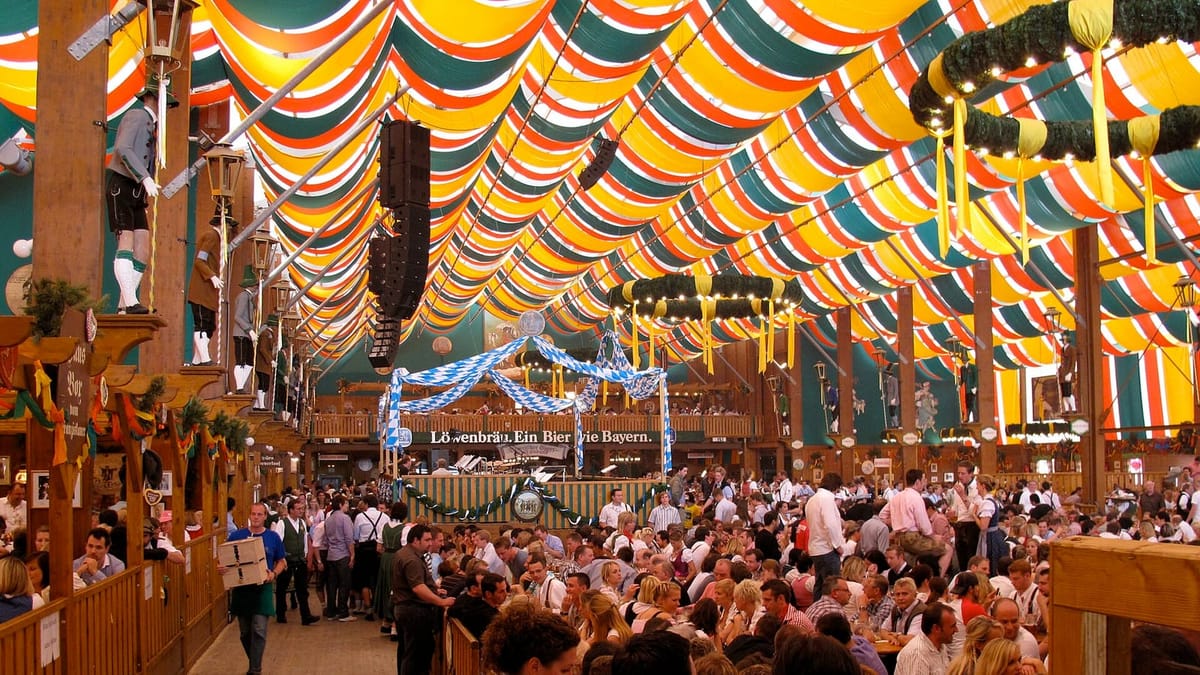
Oktoberfest and the Autumn Harvest Tradition
Oktoberfest began as a royal wedding party, not a harvest festival, but its autumn timing and Bavaria's farming calendar are tangled together anyway.
2026-07-18 · 5 min read
Leaf Science
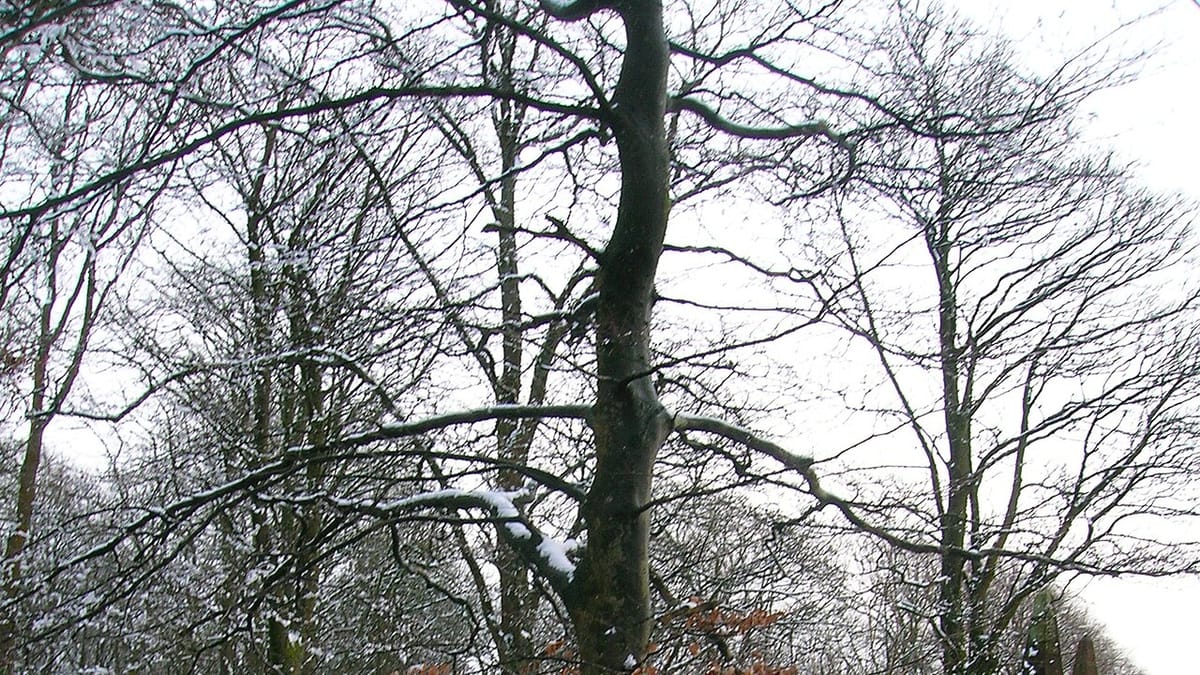
Marcescence: Why Oaks and Beeches Keep Dead Leaves All Winter
Some oaks and beeches hold their dead, brown leaves straight through winter instead of dropping them in fall. The trait has a name and a few competing explanations.
2026-07-17 · 4 min read
Leaf Science
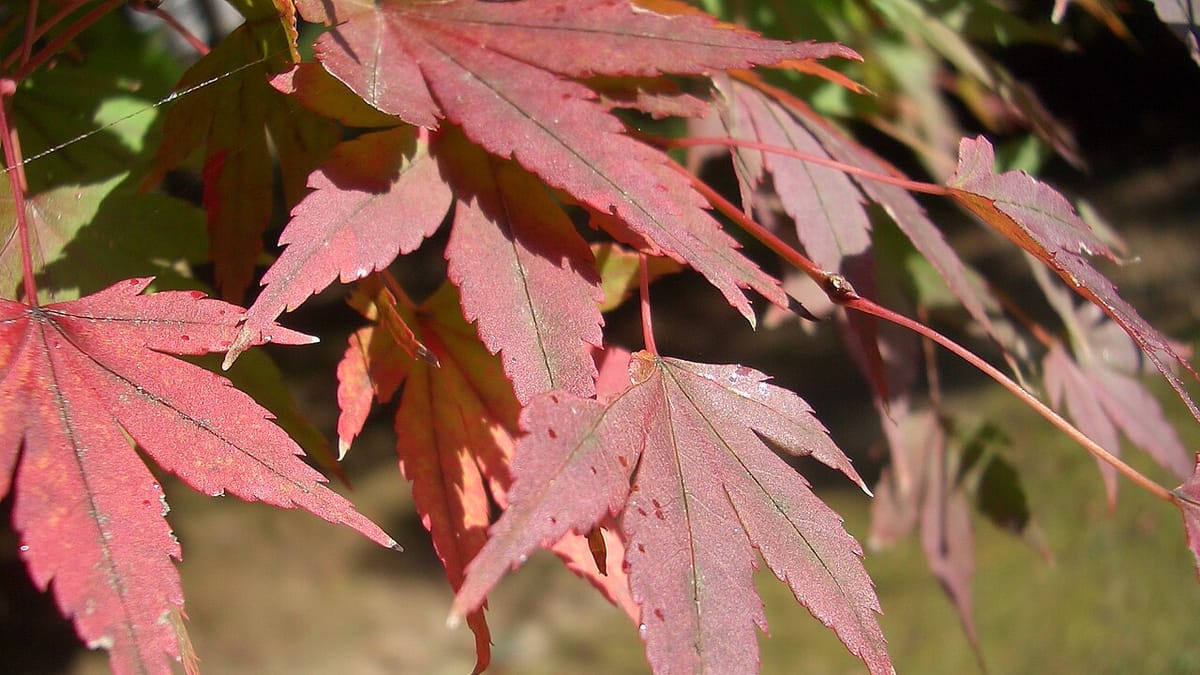
Why Leaves Change Color: The Science of Fall
The real chemistry behind autumn color: chlorophyll breakdown, hidden carotenoids, freshly built anthocyanins, and why cool nights and sunny days make the reddest falls.
2026-07-14 · 5 min read
Frequently asked
- When do leaves peak in Germany in 2026?
- Peak color is predicted for October 14–October 24 (best estimate October 19). Color starts around October 5 and trees are mostly bare by November 7.
- How reliable is the Germany forecast?
- The forecast blends recent-year weather normals with photoperiod and elevation; it tightens as the season approaches. Against published peak dates the model lands within a few days for most regions, but it can be a week or more out. Mountains and coastlines are the hardest. Higher elevations turn roughly one day earlier per 300 m.
- When is Germany's autumn season?
- Germany is in the northern hemisphere, so its color season is autumn (September to November). The turn takes roughly 33 days end to end, centered on October 19, and the last 10 of those are thinning canopy rather than color.
- What is 'goldener Oktober' and when does it happen?
- Goldener Oktober, or golden October, describes a stretch of clear, dry, high-pressure weather that often settles over Bavaria after the autumn equinox. It usually lines up with the lowland color in Munich and the lake country, which tends to peak from mid to late October, well after the high Alpine larch, which turns in September.
- Do I need a car to see Bavaria's fall color?
- No. Garmisch-Partenkirchen, Berchtesgaden, Oberammergau, and the lakes around them are all reachable on Deutsche Bahn's regional network from Munich, and a regional day ticket covers unlimited travel on those trains. A car helps for the Ammergau back roads and remote Almabtrieb festivals, but isn't required for the highlights.
- Is Oktoberfest during peak foliage season?
- Not quite. Oktoberfest wraps up in the first days of October, which is usually before the lowland color around Munich has turned and while high-elevation larch is already past its best. There's a short overlap most years, but if foliage is your main goal, plan for the weeks after the festival ends.
- When do the Almabtrieb cattle drives take place?
- Timing varies by valley and by the altitude of the summer pasture, with most drives happening across September and into early October. Individual towns set their own dates depending on weather and when herders bring the cattle down, so check a specific village's calendar if you're planning around one.
- Which is better for photos: the lakes or the high Alps?
- They're different pictures. The lakes give you still-water reflections and saturated lowland color, best in calm early morning light. The high Alps give you gold larch against bare rock and early snow, a starker and more dramatic scene, usually earlier in the season than the lake color.
Nearby & similar
Cities in Germany
Local peak timing and things to do in fall, computed for each city.