Activities & Food
How to Preserve Autumn Leaves: Pressing, Wax, and Glycerin
By Benjamin Janes · Published
· 5 min read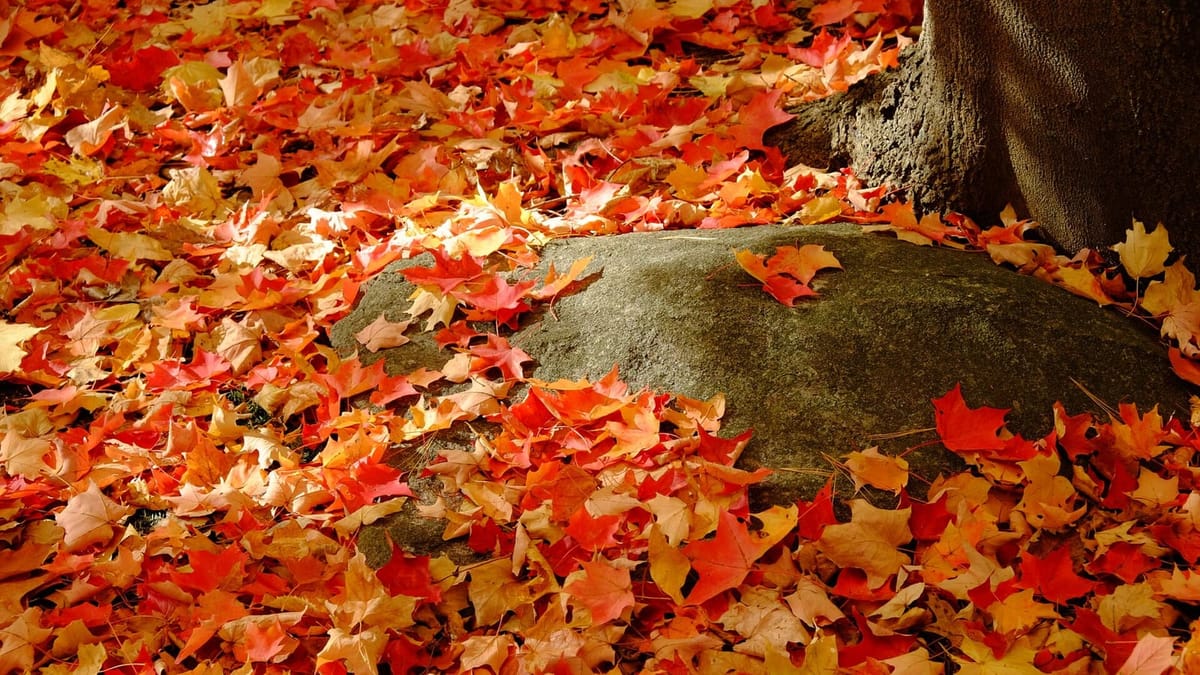
Fresh fall color fades within days once a leaf is off the tree, but three low-tech methods, pressing, wax, and glycerin, can hold that color or shape for months. None of them is complicated. All three have real limits worth knowing before you start.
Which leaves are worth preserving in the first place
The best leaf for preserving is one caught right at its most colorful, not one that's already dried and curled on the ground. A leaf that's begun to brown and shrivel has already lost most of its water, and a good share of its pigment along with it, so no method will bring color back once that's happened. Leathery, low-moisture leaves, oak, beech, and maple among them, generally hold up to handling and preserving better than thin, delicate leaves that tear or crumble the moment you try to flatten them. Michigan runs enough maple and oak cover that a single afternoon walk can turn up a good range of color and leaf shapes worth trying different methods on.
Pressing: simple, cheap, and the one most people try first
Pressing works by removing moisture slowly while keeping the leaf flat, which is what keeps it from curling as it dries. Lay the leaf between two sheets of wax paper or parchment, sandwich that between the pages of a heavy book, and stack more weight on top. Left alone for one to two weeks, most leaves dry flat and hold their shape well enough to use in a scrapbook, a frame, or pressed onto card stock. The tradeoff is color: pressed leaves tend to dull and brown over time even when they started out a bright red or gold, since pressing does nothing to stop the same chemical breakdown that would have happened on the tree anyway. It just slows things down and locks the leaf's shape in place while that breakdown continues.
Wax: fast, glossy, and not built to last
Dipping a leaf in melted paraffin wax is the quickest of the three methods and gives the most immediate payoff: a glossy, slightly stiffened leaf that looks freshly picked the moment it cools. Melt the wax in a container you don't mind dedicating to the project, hold the leaf by its stem, dip it fully, and let the excess drip off before setting it on wax paper to set. The catch is durability. A wax coating is a thin shell around a leaf that's still going to dry and shrink underneath it, and that mismatch eventually shows as cracking, or a leaf that's visibly shrunk away from its own wax coat. Wax suits a leaf you want to look good for a specific event, not one you're trying to keep for years.
Glycerin: slower, but it keeps leaves genuinely flexible
Glycerin is the only one of the three methods that replaces the water inside a leaf instead of just removing it, which is why glycerin-preserved leaves stay soft and pliable rather than turning brittle. Mix roughly one part glycerin to two parts warm water, stand the leaf stems in it, and give the solution one to two weeks to work its way through the leaf's veins and out to the edges. You'll know it's finished when the leaf feels slightly waxy and supple rather than dry, sometimes with a faint sheen of glycerin visible on the surface. The tradeoff here is color, more than with either other method: glycerin-preserved leaves usually shift toward brown, amber, or bronze rather than holding their original red or gold, since the process changes the leaf's chemistry rather than just its water content. What you get in exchange is a leaf that stays flexible enough to use in wreaths or arrangements for a long stretch, instead of one that snaps the first time it's bent.
Leaf-preserving supplies
- Wax paper or parchment paper
- A few heavy books
- Paraffin wax and a container to melt it in, for the wax method
- Glycerin and warm water, for the glycerin method
- A vase or jar deep enough to stand stems upright
Matching the method to the leaf and the goal
Pressing is the right call for anything going flat: a book, a frame, a card. Wax suits a leaf you want glossy and vivid for a short window, a centerpiece or a photo, without caring much what it looks like a month later. Glycerin is the one worth the extra week if you want a leaf, or a whole preserved branch, that stays soft and usable in an arrangement well past the point when everything else outside has gone bare. None of the three methods is difficult, and trying a small batch of each on leaves from the same tree is the fastest way to find out which tradeoff you actually prefer.
What to actually do with a preserved leaf
A pressed leaf is flat by design, which makes it the easiest of the three to build something with. Laminating a pressed leaf, or sealing it between two pieces of clear contact paper, turns it into a bookmark or a placemat that can handle real handling without crumbling. Framed under glass, a small collection of pressed leaves from different trees makes a straightforward piece of seasonal wall art, and pressing several leaves from the same tree at slightly different points in its color change is an easy way to show the progression side by side. Wax-dipped and glycerin leaves suit different uses precisely because they're not flat: they hold their natural curve and can be wired into wreaths, tucked into a centerpiece, or scattered across a table the way a fresh leaf would sit, which a laminated leaf never quite manages. None of these projects need special tools beyond what's already listed above, and a first attempt with leaves gathered on a single walk is usually enough to tell you which method suits the project you actually had in mind.
Why the color was never going to last on its own
Every method here is really working against the same clock: the pigments that make a leaf red, orange, or gold start breaking down the moment the leaf stops being fed by the tree, the same chemistry covered in anthocyanins, carotenoids, and chlorophyll, explained. Preserving a leaf doesn't stop that chemistry so much as slow it down or lock it in place partway through. Vermont is as good a place as any to gather a starting batch, and if leaf collecting turns into a bigger fall outing, the full field guide to classic fall activities covers where it fits alongside everything else the season offers, with the live foliage map worth checking first to catch leaves at their most colorful before you go.
Frequently asked
- What's the best way to preserve fall leaves?
- It depends on the goal. Pressing is simplest and best for flat uses like scrapbooks or frames. Wax gives a quick, glossy finish that looks great for a short window. Glycerin takes the longest but keeps leaves genuinely soft and flexible for arrangements or wreaths that need to last.
- Do pressed leaves keep their bright color?
- Not indefinitely. Pressing locks a leaf's flat shape in place and slows the process, but the same chemical breakdown that would have happened on the tree keeps going underneath, so pressed leaves usually dull and brown somewhat over time even if they started out vividly red or gold.
- Why do glycerin-preserved leaves turn brown instead of staying red?
- Glycerin replaces the water inside a leaf rather than just removing it, which keeps the leaf flexible, but that process changes the leaf's chemistry along the way. Most glycerin-preserved leaves shift toward brown, amber, or bronze regardless of their original color, trading color accuracy for lasting flexibility.
- Can I preserve leaves that have already dried out and curled?
- Not well. A leaf that's already lost most of its moisture and pigment won't regain color or flexibility through pressing, waxing, or glycerin. All three methods work best on a leaf caught at or near its most colorful point, still pliable and freshly picked rather than dried on the ground.
- How long does the glycerin method take?
- Usually one to two weeks. Stand the cut stems in a glycerin-and-water solution and let it work through the leaf's veins until the whole leaf feels slightly waxy and supple rather than dry. Thicker, leathery leaves like oak or beech generally take toward the longer end of that range.
Regions in this article
More in Activities & Food
Activities & Food
A Field Guide to Classic Fall Activities
The full canon of fall activities, from the first orchard weekend to the last jack-o'-lantern, organized by how the season actually unfolds on the ground.
2026-07-17 · 7 min read
Activities & Food
Apple Picking, Explained: Timing, Varieties, and Orchard Etiquette
How apple picking timing actually works, which varieties ripen early versus late, and the orchard etiquette that keeps pick-your-own farms running smoothly.
2026-07-17 · 5 min read
Activities & Food
Pumpkin Season: From Patch to Jack-o'-Lantern to Pie
How pumpkin patches work, what makes a carving pumpkin last, and why pie pumpkins and carving pumpkins are not actually the same fruit.
2026-07-17 · 5 min read