Photography & Observation
Fall Foliage Photography: A Field Guide
By Benjamin Janes · Published
· 5 min read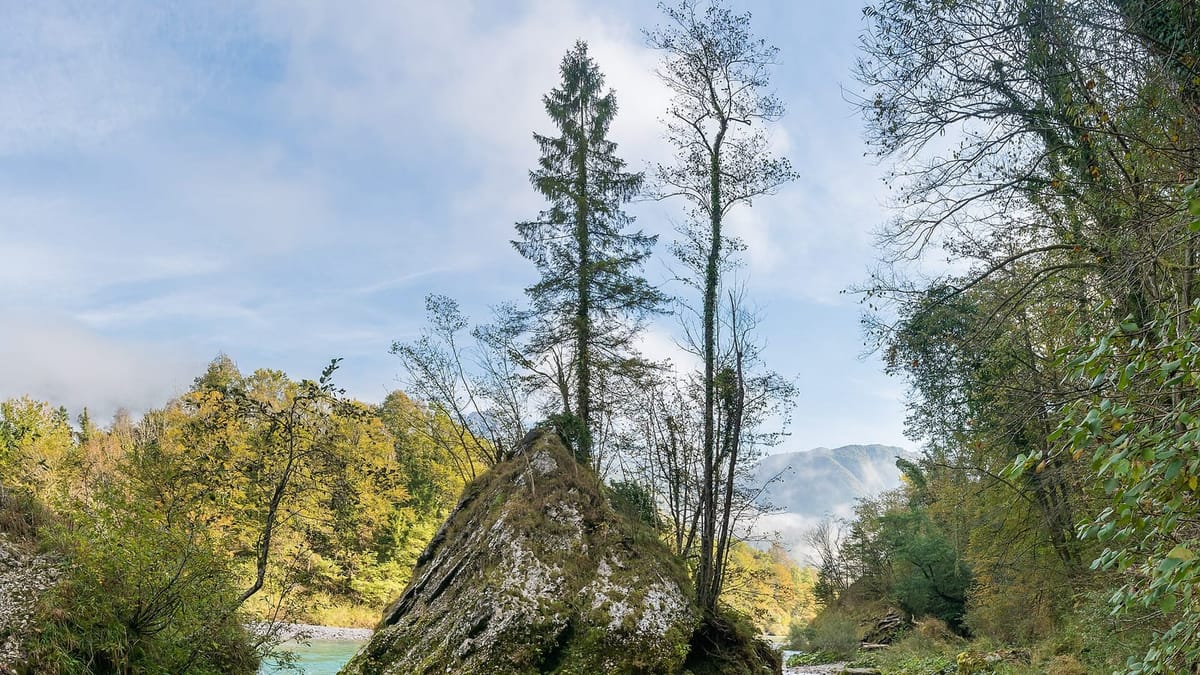
The best fall photos rarely come from the single brightest day of a trip. They come from paying attention to light quality, water, fog, and restraint: one strong subject instead of an entire mountainside crammed into one frame. Here's a field guide to shooting foliage well, whether you're carrying a full camera bag or just a phone.
Overcast beats golden hour more often than you'd think
Direct sun on a glossy leaf creates glare and hard-edged shadows that fight with the color underneath. A heavy cloud layer acts like a giant softbox: light wraps evenly around every leaf, saturation goes up, and the harsh highlight-to-shadow contrast that can make a colorful scene look chaotic simply disappears. For a wide hillside shot, or close-up detail work on bark and leaf clusters, an overcast midday frequently outperforms a technically "better" hour.
Golden hour still has a job to do. It's just a different one, covered next. Think of overcast as your tool for accurate, saturated color, and low sun as your tool for drama. It also helps to understand how the day's foliage light and weather shape the color itself, not just the photo of it.
Backlighting leaves for the stained-glass effect
Position yourself so the sun sits low and behind your subject, with a leaf or a thin canopy between you and the light. Thin fall leaves are semi-translucent, and backlighting turns their veins and cell structure into something close to stained glass: a maple leaf held up against the sun shows detail a straight-on shot never will.
Meter for the leaf itself, not the bright sky behind it, or you'll lose the glow to a silhouette. A lens hood or your own hand blocking direct flare keeps the shot clean, though a touch of flare can also be a deliberate, moody choice. This technique rewards showing up early or staying late, when the sun sits low enough to shoot through the canopy instead of down onto it.
Working a polarizer without breaking your sky
A circular polarizer cuts the sheen sitting on top of leaves (the same waxy glare you see on wet pavement), and that alone can meaningfully deepen color saturation. It also deepens blue sky and knocks down glare on water, which matters for the reflection shots below.
Fog mornings after a clear, cold night
Still air and a clear sky overnight let heat radiate straight out of a valley, and once cool, moisture-laden air settles into the low ground, fog forms right at dawn. That fog softens light, adds real depth by separating layered ridgelines, and mutes distracting backgrounds so a foreground subject stands out on its own. It's worth noting these are close to the same conditions (clear, cool nights following sunny days) that tend to produce the most vivid color in the first place, a connection we get into in our piece on the chemistry of fall color.
Fog burns off fast once the sun climbs, often within an hour, so this is a shoot you plan the alarm clock around rather than one you catch by accident.
Water reflections double the color
Calm water before the wind picks up will mirror a colorful shoreline almost perfectly, effectively doubling your color in one frame. Look for sheltered coves and small ponds rather than open, wind-exposed lakes, and get there early. Most water goes glassy at dawn and stays that way for a short window only.
A polarizer is a double-edged tool here: a little rotation cuts distracting surface glare and can strengthen the color of the surrounding trees, but too much polarization removes the reflection itself, since you're essentially filtering out the reflected light you're trying to capture. Rotate to taste and check the reflection in real time rather than defaulting to maximum effect.
Telephoto compression for layered hillsides
A wide-angle lens shows you everything and flattens the impact of all of it. Reach for the longest lens you're carrying instead, and you'll compress the visual distance between ridgelines, stacking bands of color into something closer to a woven tapestry than a sprawling, diffuse view. This works especially well on distant aspen groves climbing a slope in the Colorado Rockies or on the layered ridges along the Blue Ridge Parkway, where a wide shot reduces color to texture but a compressed telephoto shot turns it into structure.
Phone camera tips that actually help
Tap directly on the leaves to set exposure and focus, not on the sky. Most phones default to metering the brightest part of the frame, which underexposes the color you actually came for. A slight downward drag on the exposure slider after tapping usually deepens saturation further.
Go easy on automatic HDR. It's built to tame contrast, but on foliage it frequently oversharpens edges and flattens the natural gradation in a leaf, leaving photos looking processed rather than photographed. Turning it off, or using your phone's manual/pro mode if it has one, generally produces a more honest, richer result. And check your lens for pocket lint before you start: a smudged phone lens is the single most common killer of an otherwise good fall shot.
Composition: one subject, not a wall of leaves
The most common mistake in fall photography is trying to capture all the color at once. A wide, undifferentiated frame of "the whole hillside" gives the eye nowhere to land, and color alone rarely functions as a subject. Find one strong focal point instead: a single red maple standing apart from a gold background, a fence line or trail vanishing into the trees, a covered bridge framed by branches, and let the broader color serve as context rather than carry the entire image.
Leading lines like roads, stone walls, and streams pull the eye toward that subject, and negative space (a patch of sky, a stretch of calm water, open trail) gives the color room to breathe instead of competing with itself edge to edge.
What to pack for a foliage shoot
- Lens cloth (fingerprints and fog both fog up a lens)
- Circular polarizer
- A second battery: cold mornings drain them fast
- A dedicated bag or dry sack if you're shooting near water
- Headlamp for a pre-dawn fog or reflection shoot
Good gear helps, but showing up at the right moment matters more. Pair this guide with a solid fall day hike packing list so cold hands and a dead phone don't cut a good morning short. And if you want a second shooting season each year, our guide to autumn in the Southern Hemisphere covers where to point your camera come spring at home.
Frequently asked
- Is golden hour really the best light for fall foliage?
- It's the best light for some shots, not all of them. Low, warm sun is excellent for backlighting individual leaves, but flat, overcast light usually produces more saturated, evenly exposed color across a wide scene, without the harsh highlights and deep shadows direct sun creates.
- Do I need a polarizing filter for fall photos?
- You don't need one, but it helps. A polarizer cuts the glare sitting on top of glossy leaves, which noticeably deepens color, and it can reduce reflections on water. On wide-angle lenses, rotate carefully and check the sky for uneven banding before you commit to the shot.
- Why do my phone photos of foliage come out washed out or flat?
- Most phones meter for the brightest part of the frame, usually the sky, which underexposes the color beneath it. Tap directly on the leaves to set exposure and focus there, and consider dialing back automatic HDR, which can flatten contrast and oversaturate color in an unnatural way.
- Why do photos of a whole colorful hillside often look disappointing?
- A wide shot of an entire hillside asks color to do the work of a subject, and it usually can't. Give the eye one clear focal point: a single tree, a bend in a trail, a reflection, and let the surrounding color function as context rather than the whole picture.
Regions in this article
More in Photography & Observation
Photography & Observation
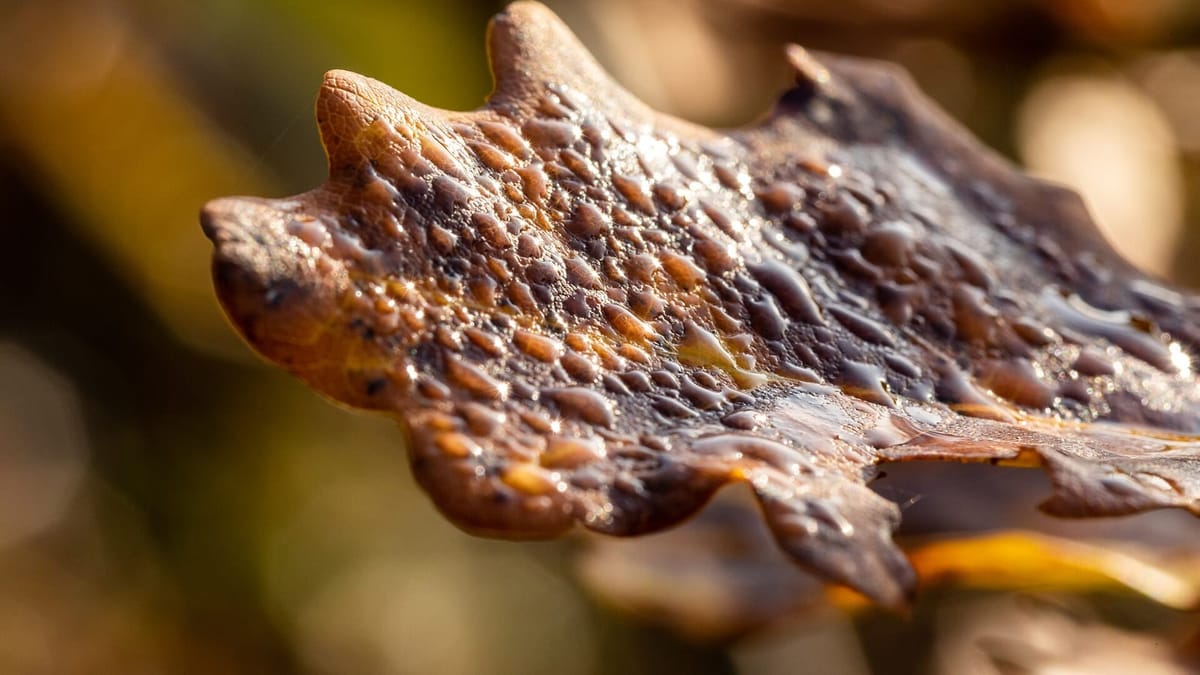
Beyond the Postcard: Photographing Autumn's Small Details
The wide hillside shot isn't the only one worth taking. How to photograph single backlit leaves, frost edges, tiny reflections, and the textures beneath the color.
2026-07-17 · 4 min read
Photography & Observation
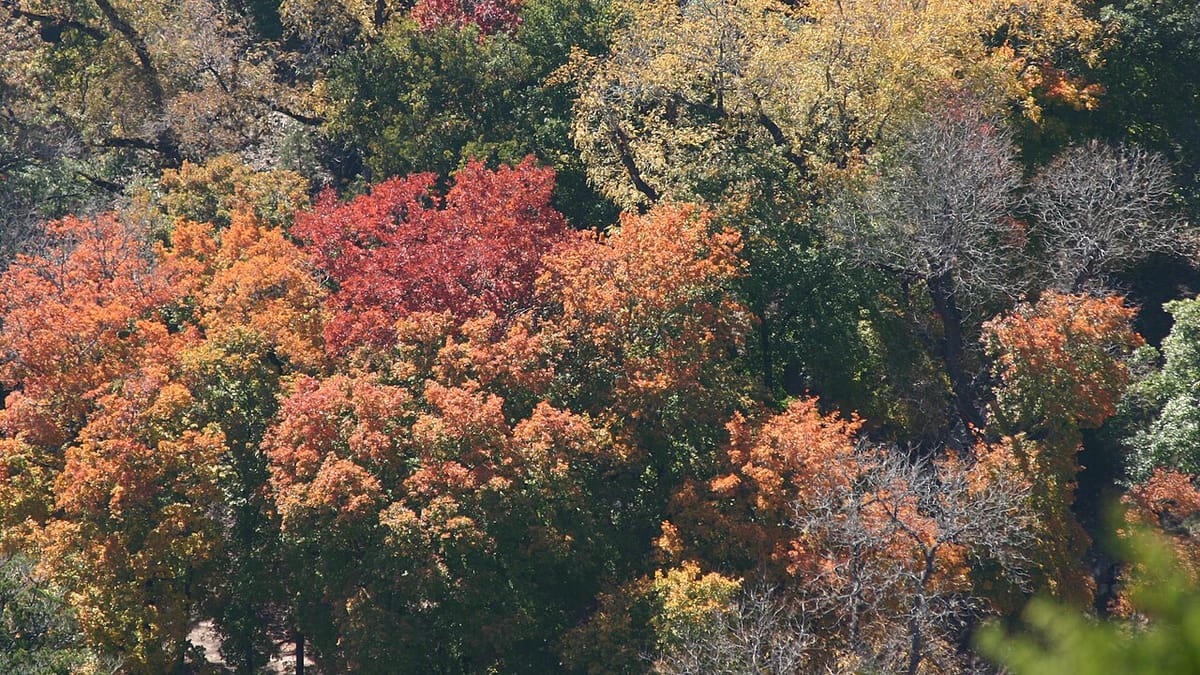
Editing Fall Foliage Photos: A Simple Workflow
A repeatable fall foliage editing workflow: fix white balance, recover exposure, add contrast, and use vibrance instead of saturation so color stays believable.
2026-07-18 · 6 min read
Photography & Observation
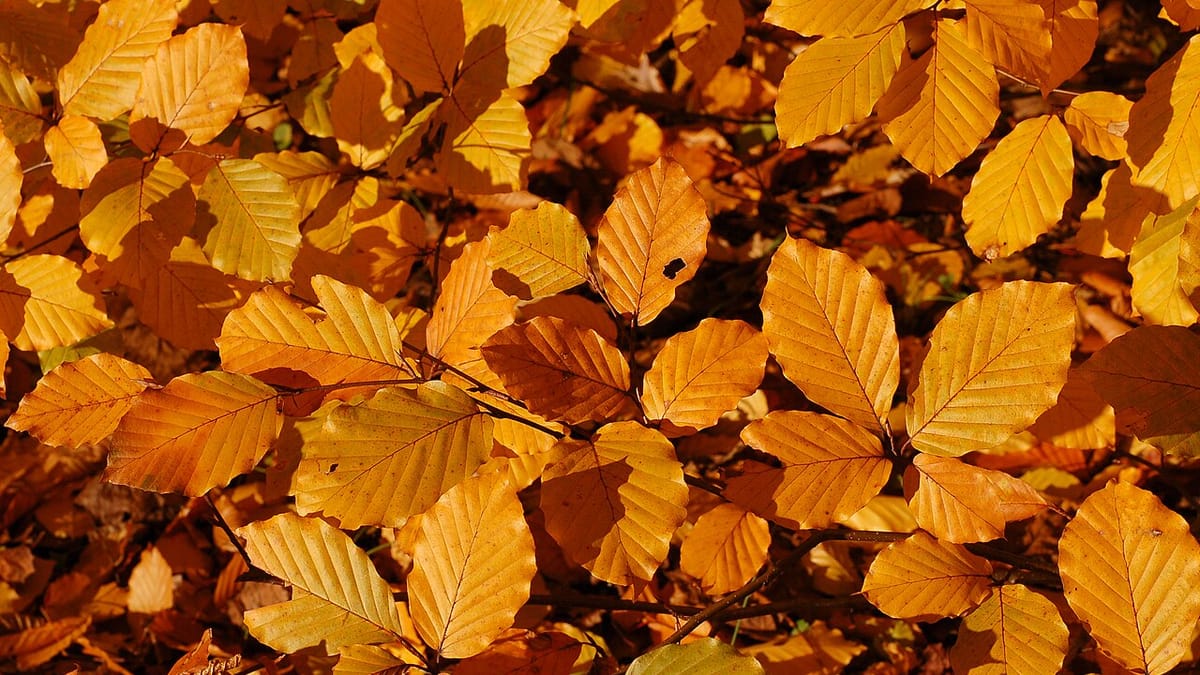
How to Keep a Foliage Journal: Notes, Photos, and Phenology
A short, consistent log of what a season really looked like beats memory every time. How to track color change and weather, and compare your notes year to year.
2026-07-17 · 5 min read