Traditions Around the World
Harvest Wine and Cattle Parades: How the Alps and Europe Do Autumn
By Benjamin Janes · Published
· 5 min read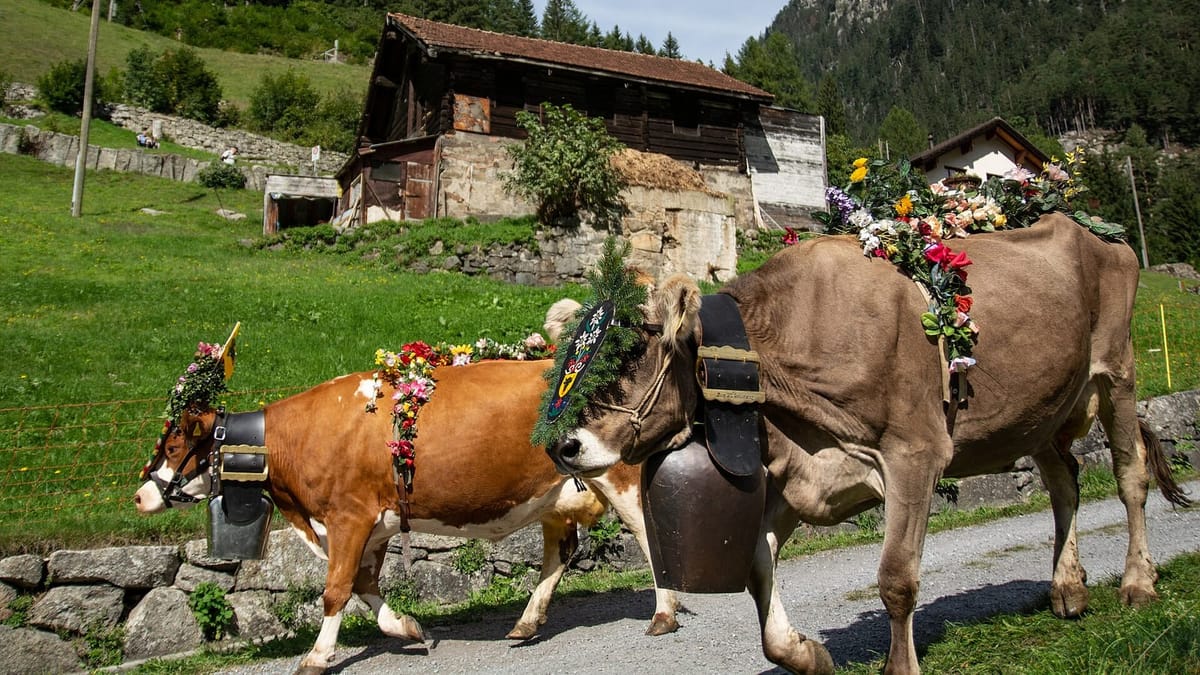
Across the Alps and much of Europe, autumn arrives as a string of small rituals rather than one big festival: cattle led down from high pasture in flower crowns, grapes blessed before the first press, a woven crown of grain carried into a village church. Some of it predates Christianity. All of it still happens.
Bringing the herds down before the snow
In the high valleys of Switzerland and Austria, cattle spend summer grazing alpine meadows too steep and too remote for a farmer to reach daily. Almabtrieb, called Alpabzug in Swiss German regions, is the descent back to the valley floor before the first heavy snow closes the passes. It isn't a quiet walk. Herders lead the cows through the middle of town behind brass bands, and if the herd came through the summer without a serious injury or loss, the animals often wear elaborate headdresses built from mountain flowers, along with the largest, loudest bells the farm owns.
That detail matters more than it sounds like it should. The decoration isn't generic festival costume. In many valleys it's reserved specifically for a good year, so the procession doubles as a public record of how the herders' season actually went, readable at a glance by anyone standing along the route.
The vineyards' last harvest before winter
Wine country runs on its own autumn calendar, set by the grapes rather than the weather in general. In Austria's wine regions, the appearance of Sturm, young, still-fermenting wine with a noticeable fizz and a short shelf life, signals that the harvest is properly underway. Taverns switch their blackboards over for a few weeks, pouring Sturm alongside heavier, more traditional dishes built for the season. Swiss wine towns run their own version of the same rhythm: blessings of the grapes, processions through vineyard rows, a first-pressing celebration timed to whenever the fruit is actually ready rather than a date fixed months in advance.
Erntedank: giving thanks in the village church
Germany and Austria mark Erntedank, harvest thanksgiving, with a service that predates most of the countries' current borders. Villages weave a harvest crown, the Erntekrone, from grain stalks, fruit, and flowers, then carry it into the church in procession before the congregation gives thanks for the year's crop. A communal meal usually follows, often outdoors if the weather holds. The custom sits closer to a village-wide open house than a solemn observance, and it draws people who rarely otherwise set foot in the church the rest of the year.
Cheese comes down from the mountain too
The cattle aren't the only ones making that trip back from high pasture. In several Swiss valleys, cheese produced during the summer's alpine grazing gets divided among the farmers who share a pasture, in a custom called Chästeilet, roughly "cheese sharing." Each farmer's portion is worked out ahead of time based on how many cows they sent up for the season, then handed over at a communal gathering that runs alongside the same Alpabzug traditions bringing the herds home. Farther south, in Switzerland's Italian-speaking valleys and across the border into northern Italy, chestnut season gets its own communal event: roasted chestnuts served hot from open fires in town squares, a tradition old enough that some villages still hold their gathering on land set aside for exactly this purpose generations ago.
None of these customs made it onto a tourist board's highlight reel the way Oktoberfest did. They're mostly local, mostly small, and mostly still running the way they did long before anyone thought to write them down. If you're planning a trip around any of this, our Europe destinations guide rounds up the regions where autumn shows up earliest and most reliably across the continent.
Munich's beer tents grew out of an agricultural fair
Oktoberfest looks, from the outside, like it has nothing to do with harvest season at all: beer tents, brass bands, a fairground built for volume rather than reflection. Its origin is stranger than that image suggests. The first Oktoberfest, held in 1810, celebrated a royal wedding with a horse race on the fields outside Munich, and organizers added an agricultural show, livestock judging, produce displays, farm equipment, within a few years of that first event. That agricultural fair still runs periodically alongside the modern festival, though it's a small fraction of what draws visitors to Munich each fall now. The beer tents get all the attention, but the older identity, a regional harvest showcase dressed up around a wedding party, never fully left.
A season Europe never celebrates the same way twice
None of these customs coordinate with each other on a shared calendar, and that's part of the point. A Swiss valley times its cattle drive to the weather at altitude. An Austrian wine town times its festival to the grapes. A German parish times Erntedank to whenever the local harvest wraps up. What ties them together isn't a date at all but a shared instinct: mark the point where a year's work in the fields or the high pasture gets brought home, then feed the whole community on the result.
That instinct isn't unique to Europe. Japan built its own autumn ritual around watching maple leaves rather than counting cattle or casks, a custom covered in our guide to momijigari, Japan's tradition of leaf hunting, and readers curious how the pattern plays out elsewhere in the harvest calendar can compare it against the deeper history of harvest festivals more broadly. If you're mapping out an Alpine trip around any of this, our interactive foliage map tracks how color moves through the mountains as the same season that empties the high pastures.
Frequently asked
- What is Almabtrieb?
- Almabtrieb, also called Alpabzug in Swiss German, is the seasonal drive of cattle down from high summer pastures to the valley before the mountain passes close for winter. If a herd made it through the season without a serious injury or loss, the cows are often decorated with flower headdresses and heavy bells for the descent.
- Is Oktoberfest actually a harvest festival?
- Not originally. Munich's Oktoberfest began in 1810 as a royal wedding celebration with a horse race. Within a few years, organizers added an agricultural show featuring livestock and produce, a component still held periodically alongside the beer tents today, even though most modern visitors never see that older half of the event.
- What is Erntedank?
- Erntedank, or harvest thanksgiving, is a German and Austrian tradition of giving thanks for the year's crop, usually marked with a church service in early autumn. Villages often weave a harvest crown from grain, fruit, and flowers and carry it into the church in procession before a communal meal.
- Why do Alpine cattle wear flower crowns in autumn?
- The flowers and bells mark a successful season in the high pastures. In many valleys, elaborate headdresses are reserved for herds that came through summer grazing without a cow lost to accident or illness, so the decoration functions as a visible record of the herders' year, not just festive costume.
- When do European wine harvest festivals happen?
- Timing varies by region and grape variety, since festivals follow the grape harvest itself rather than a fixed date. Many Austrian and Swiss wine towns hold their celebrations once the first pressing is underway, often coinciding with the appearance of young, still-fermenting wine in local taverns.
Regions in this article
More in Traditions Around the World
Traditions Around the World
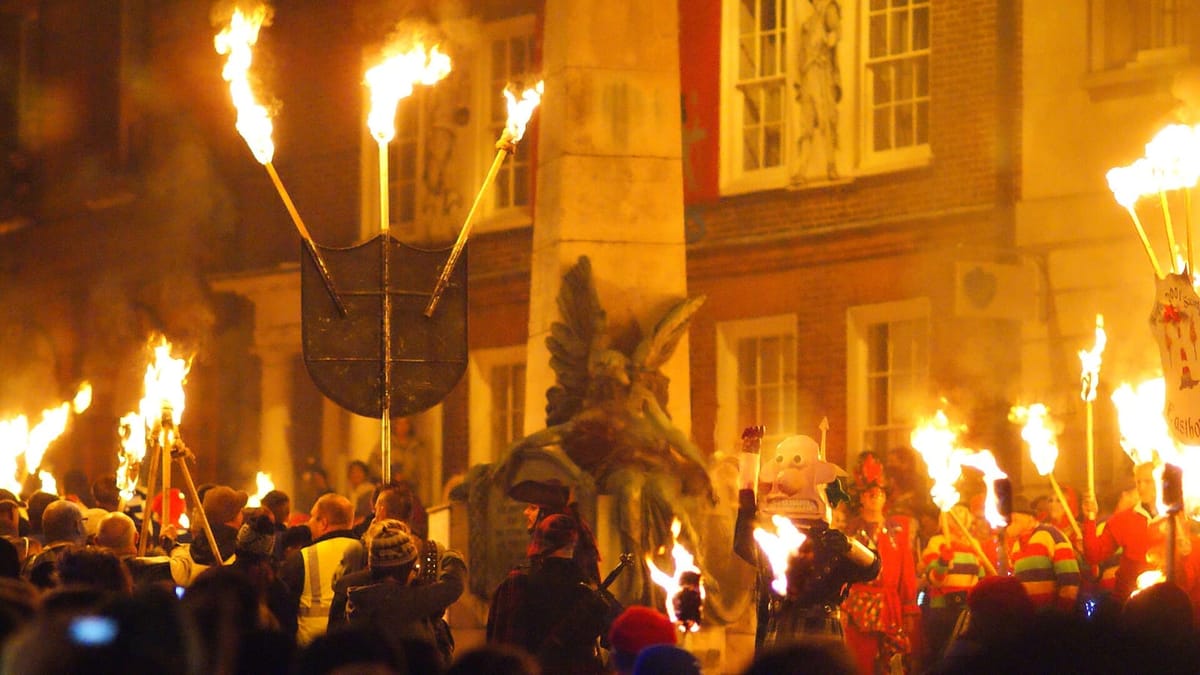
Bonfire Night and Conkers: Britain's Autumn Rituals
From playground conker matches to fire festivals and the fifth of November, how Britain marks the end of the harvest and the start of the dark months.
2026-07-17 · 4 min read
Traditions Around the World
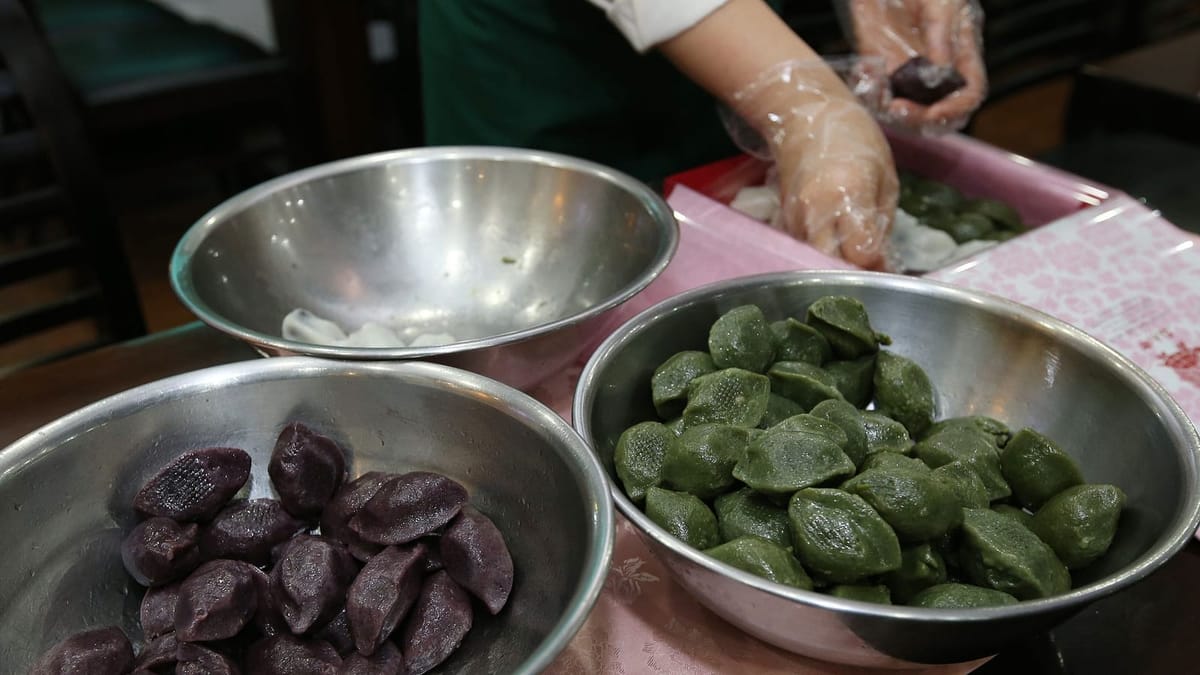
Chuseok: Korea's Autumn Thanksgiving
Chuseok is Korea's biggest holiday: ancestral rites, half-moon rice cakes, and a nationwide trip home timed to the harvest moon.
2026-07-17 · 4 min read
Traditions Around the World
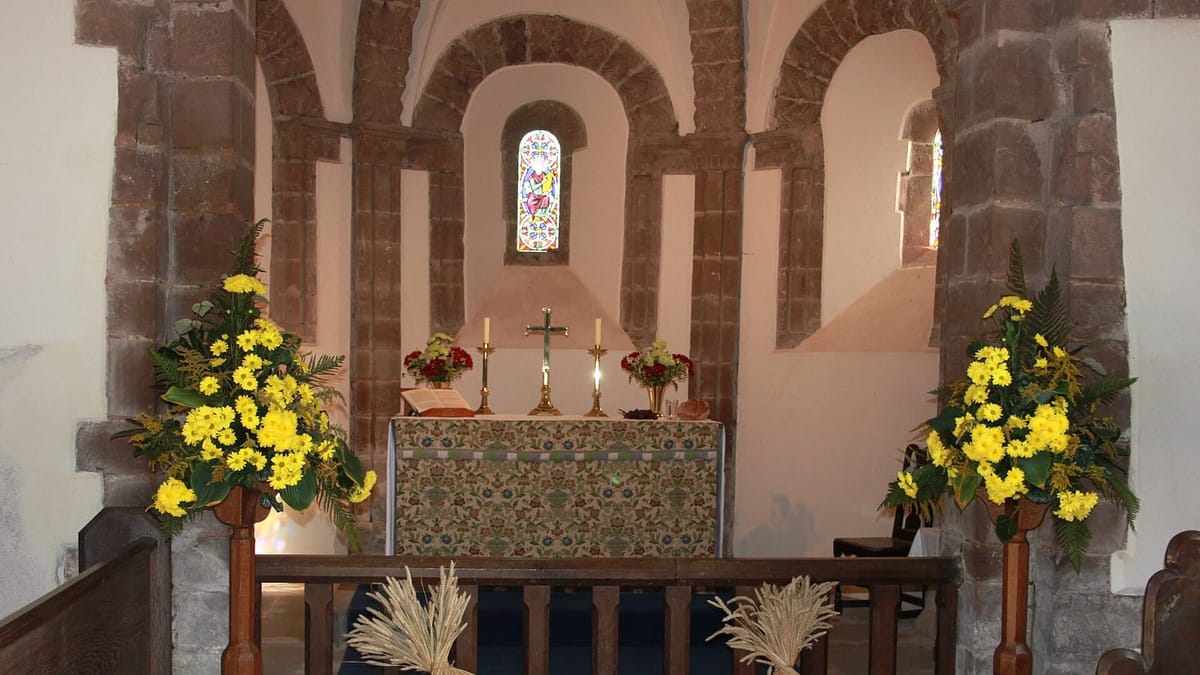
Harvest Festivals Through History: From Lammas to the County Fair
How England's Lammas bread and corn dollies evolved into Harvest Home suppers and, eventually, the modern American county fair.
2026-07-17 · 4 min read