Traditions Around the World
Bonfire Night and Conkers: Britain's Autumn Rituals
By Benjamin Janes · Published
· 4 min read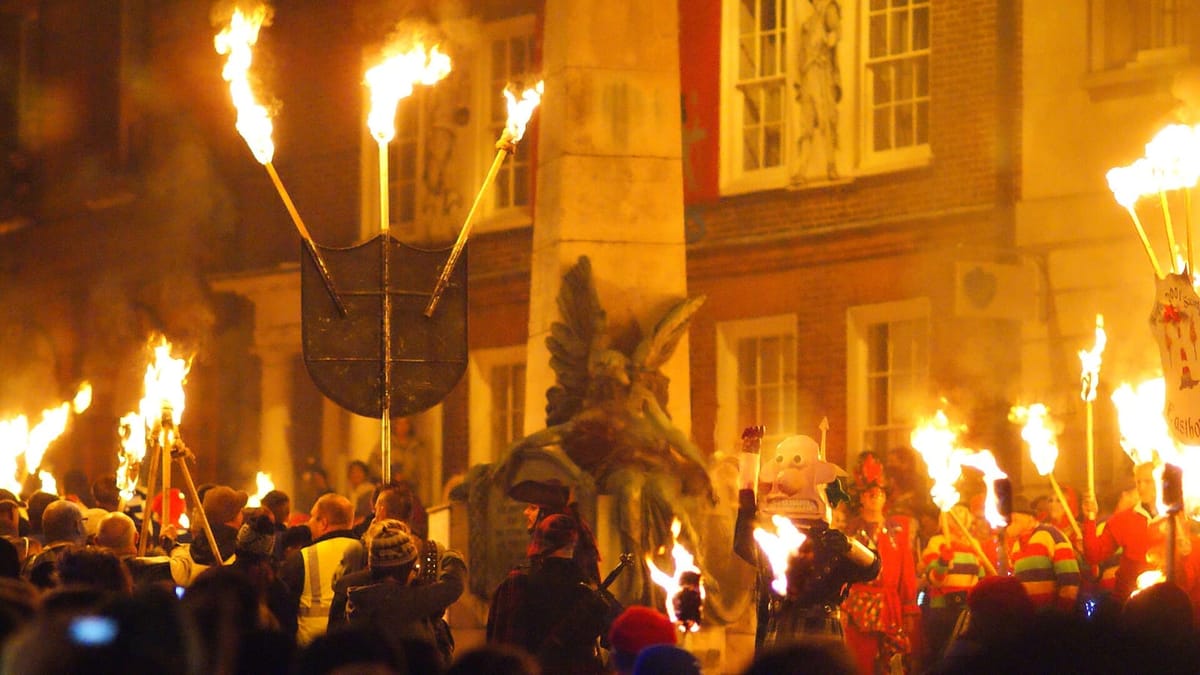
Britain runs a packed autumn calendar: horse chestnuts turning playgrounds into conker arenas, firework smoke drifting over back gardens, and entire towns building bonfires taller than the houses around them. Underneath the fireworks and the schoolyard rules sits a much older instinct about marking the turn into the dark half of the year.
Conkers: a playground season with its own rules
Every autumn, horse chestnut trees drop their glossy brown seeds, and generations of British schoolchildren have turned those seeds into a season-defining game. A conker gets threaded onto a string, and two players take turns swinging their own at the opponent's, trying to smash it to pieces while their own survives. Rules vary from playground to playground, some strict about whose turn goes first, some tolerant of soaking a conker in vinegar to toughen it up, a practice most serious players consider outright cheating. None of it is organized or official in any real sense. It's simply what happens to schoolyards for a few weeks every year once the trees start dropping their seeds, a tradition documented going back roughly two centuries with barely any change to the basic rules.
The fifth of November: remembering the plot that failed
Bonfire Night marks the failure of the Gunpowder Plot, a 1605 conspiracy to blow up Parliament and, with it, King James I, during the State Opening. Guy Fawkes, caught guarding the gunpowder in the cellars beneath the building, became the plot's most enduring face, and the anniversary was almost immediately marked with bonfires celebrating the king's survival. Effigies of Fawkes, known simply as guys, have been built and burned on the fifth of November for centuries since, and children once wheeled their homemade guys through the streets asking passersby for a "penny for the guy" in the run-up to the big night, a custom that has faded substantially in recent decades but hasn't entirely disappeared.
Building the bonfire: a village project
In many towns, building the bonfire is a community effort that starts weeks ahead of the night itself, wood and scrap gathered and stacked into a structure meant to burn spectacularly rather than efficiently. Lewes, in Sussex, takes the tradition further than almost anywhere else in the country: several rival bonfire societies parade through town in costume and torchlight before converging on their own separate bonfire sites, burning effigies that extend well past Guy Fawkes to include whichever public figures or grievances the year has produced. It's part historical commemoration, part civic theater, and it draws crowds well beyond the town's own population every year.
Treacle toffee and jacket potatoes
Bonfire Night has its own food built for standing outdoors in the cold. Jacket potatoes get wrapped in foil and pushed into the embers at the edge of the fire, ready by the time the fireworks finish. Bonfire toffee, a dark, hard treacle-based sweet, gets broken into shards with a small hammer rather than cut, a texture nothing like the chewier toffee sold the rest of the year. In parts of northern England, particularly Yorkshire, the same night brings out parkin, a sticky ginger cake traditionally left to mature for a few days before it's eaten, which conveniently lines up its readiness with the holiday itself. Mulled cider or mulled wine rounds out the spread for the adults standing around watching the display, doing the same basic job any warm seasonal drink does at an outdoor gathering held after dark.
Edinburgh's own blaze: Samhuinn
Scotland layers its own fire festival onto the season. In Edinburgh, the Beltane Fire Society stages Samhuinn, a modern revival of the older Celtic festival of Samhain, marking the turn from the harvest season into the dark half of the year. Performers in elaborate costume stage a ritual battle between summer and winter through the streets near the city center, drawing on folklore considerably older than the Gunpowder Plot that most of Britain associates with autumn fire today. It's a different register entirely from Bonfire Night: less about a specific historical grievance, more about the older, wordless instinct to mark a genuine turning point in the year with fire and noise.
From Samhain's turning point to a night of fireworks
Bonfire Night and Halloween sit close together on the calendar for a reason that predates both of them: Samhain, the Celtic festival that marked the boundary between the harvest season and winter, and the point when the world was believed to sit closest to whatever lay beyond it. Our full history of Halloween and its roots in Samhain traces that older festival's path into the modern trick-or-treating most people know today. Bonfire Night took a different route, layering a specific seventeenth-century political event on top of the same seasonal turning point Samhain had already been marking for centuries across United Kingdom and Ireland.
What both nights share, along with harvest customs covered in our broader history of harvest festivals, is timing rather than theme: all of them fall in the same handful of weeks when the last of the harvest is in, the nights are getting seriously long, and people have always found a reason to gather around a fire before winter settles in for good. That same stretch of weeks tends to line up with the last of the season's color across Britain and Ireland, and our interactive foliage map tracks how that color is moving if you want to time a trip around both the trees and the fires.
Frequently asked
- What is Bonfire Night?
- Bonfire Night, also called Guy Fawkes Night, commemorates the failure of the Gunpowder Plot to blow up Parliament in 1605. Communities across Britain mark it on the fifth of November with bonfires, fireworks, and, historically, the burning of an effigy called a guy, built by children in the weeks leading up to the night.
- What is the game of conkers?
- Conkers is a playground game played with the seeds of the horse chestnut tree, each threaded on a string. Two players take turns swinging their conker at the opponent's, trying to smash it, and the game is tied to autumn simply because that's when horse chestnuts fall and the seeds become available.
- Why do people burn effigies on Bonfire Night?
- Burning an effigy of Guy Fawkes, the conspirator caught guarding the gunpowder beneath Parliament, began as a way of publicly cementing his role as the plot's most memorable villain. Some towns, notably Lewes, extend the custom to effigies of other unpopular figures, continuing a tradition of using the bonfire to mark public grievances.
- What is Samhuinn in Edinburgh?
- Samhuinn is a modern fire festival held in Edinburgh, reviving and reinterpreting the older Celtic festival of Samhain, which marked the turn from the harvest season into winter. Performers in costume stage a ritual battle between summer and winter through the city's streets, drawing on folklore far older than Bonfire Night itself.
- Are Halloween and Bonfire Night related?
- Both sit close together on the British autumn calendar and both trace back, at least in part, to Samhain, the Celtic festival marking the end of harvest and the start of the dark half of the year. Bonfire Night layered a specific historical event, the Gunpowder Plot, on top of that older seasonal turning point.
Regions in this article
More in Traditions Around the World
Traditions Around the World
Chuseok: Korea's Autumn Thanksgiving
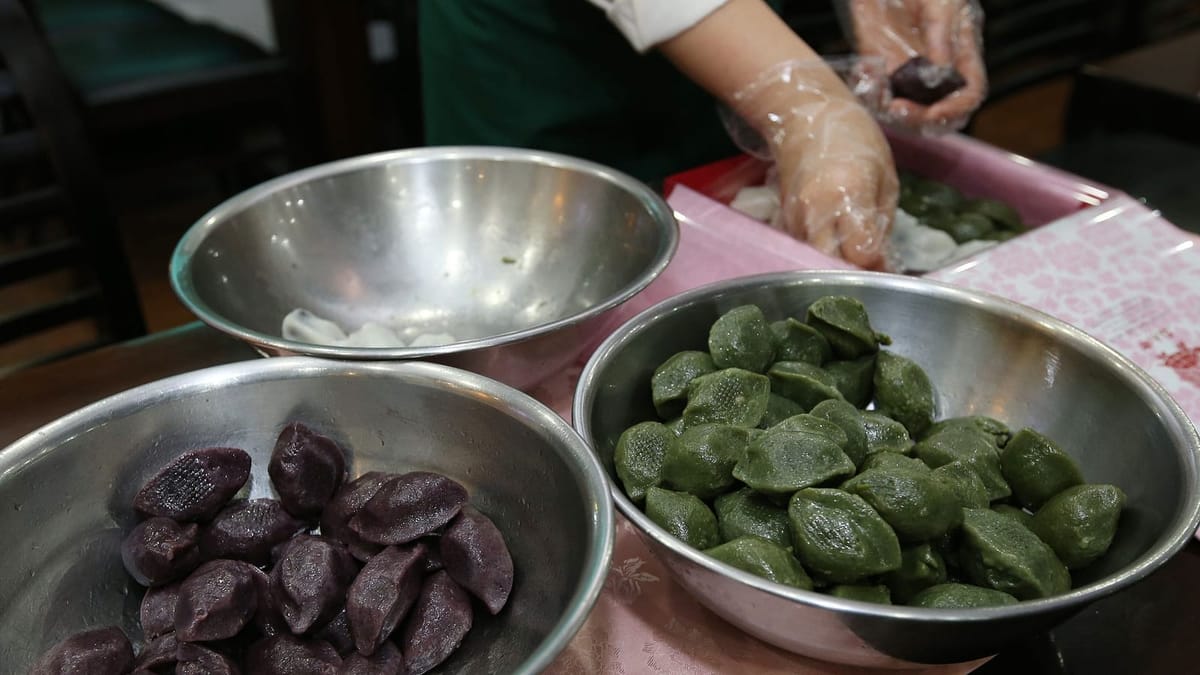
Chuseok is Korea's biggest holiday: ancestral rites, half-moon rice cakes, and a nationwide trip home timed to the harvest moon.
2026-07-17 · 4 min read
Traditions Around the World
Harvest Festivals Through History: From Lammas to the County Fair
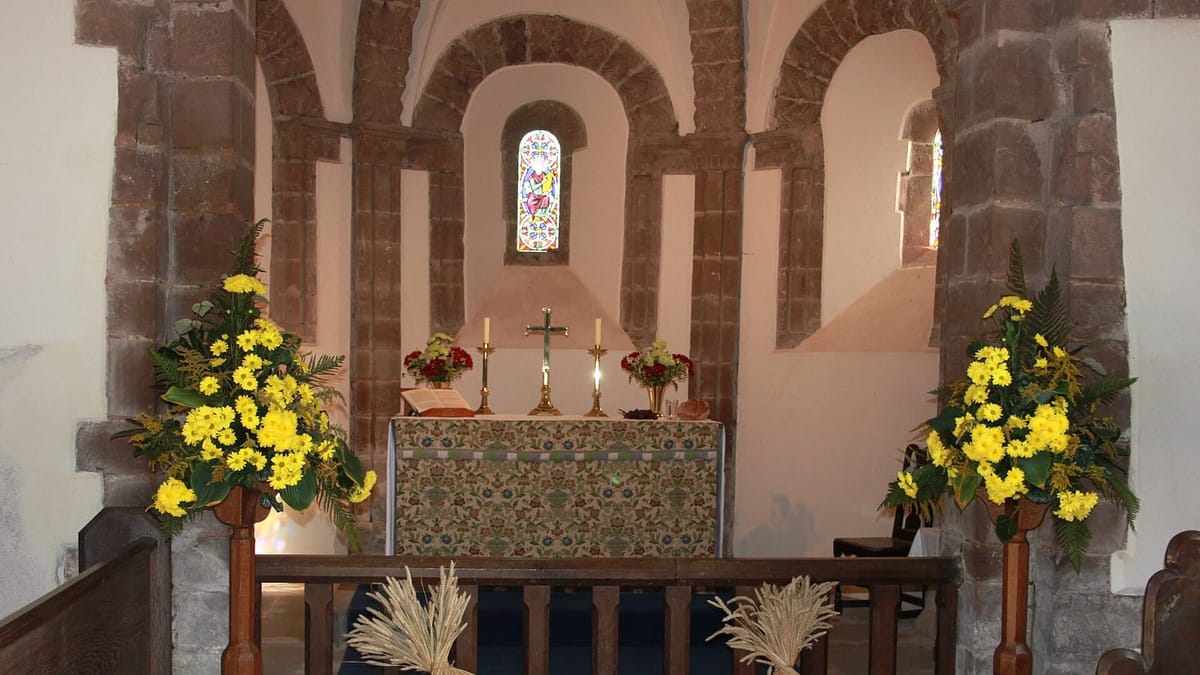
How England's Lammas bread and corn dollies evolved into Harvest Home suppers and, eventually, the modern American county fair.
2026-07-17 · 4 min read
Traditions Around the World
Harvest Wine and Cattle Parades: How the Alps and Europe Do Autumn
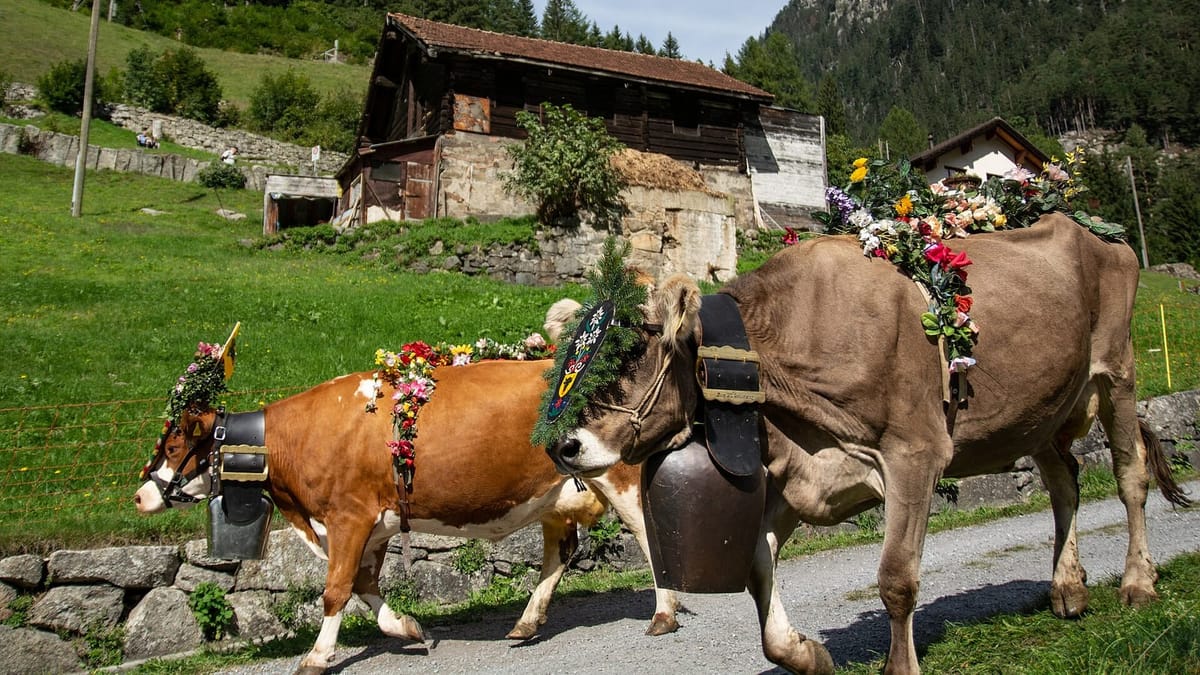
From Alpine cattle drives to wine-harvest blessings and Munich's agricultural roots, how Switzerland, Austria, and much of Europe mark the turn to autumn.
2026-07-17 · 5 min read