Foliage Timing & Seasons
The Weather That Makes (or Ruins) a Great Foliage Year
By Benjamin Janes · Published
· 5 min read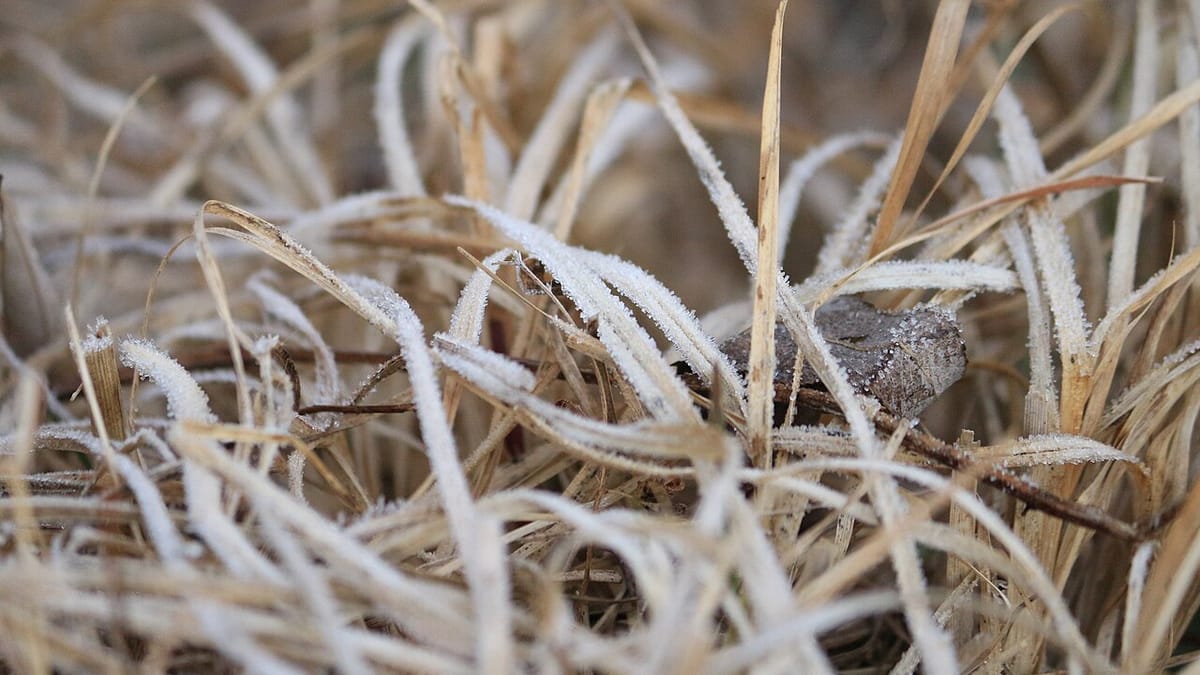
Two ridges can cross the same night-length trigger on the same week and still end up looking nothing alike a month later. The difference almost always comes down to weather, which does not decide when fall starts but has enormous influence over how good it looks once it does.
The recipe for a great year
The classic formula foliage-watchers repeat every year holds up under scrutiny: warm, sunny days paired with cool nights that stay above freezing. Warm daylight keeps a leaf's chlorophyll factory running and sugar production high. Cool nights slow the flow of that sugar back out of the leaf, so it builds up and drives the production of anthocyanins, the pigments behind the deepest reds and purples. A run of days like that, several weeks in a row after the season's trigger has already fired, is what produces the years people describe as the best in a decade. It is also just a description of an ordinary clear, dry September stretch, nothing exotic, which is part of why it does not happen every single year on demand.
Where the color actually comes from
None of this happens without the underlying chemistry doing its job first. Chlorophyll breaks down and stops masking the yellow and orange pigments that were in the leaf all along, while reds get manufactured fresh, late in the season, in direct response to sugar and light. Why leaves change color covers that chemistry from the ground up, and leaf pigments explained goes a layer deeper into why some trees make vivid reds and others top out at yellow regardless of how good the weather gets. Weather does not create pigment out of nothing. It decides how much of the pigment a tree that is capable of red actually produces, and how long the result hangs on the branch before it lets go.
When drought steals the show
A summer of drought stress tends to produce one of two disappointing outcomes. Sometimes a stressed tree shuts down early, well ahead of its unstressed neighbors, and skips straight to a dull brown or washed-out yellow instead of building real color. Other times the leaves simply drop before they ever get the chance to turn, the tree's response to conserving water rather than finishing a normal seasonal display. Either way, drought rarely produces a vivid season. It tends to shorten the display, mute the colors, or both, because a stressed tree is spending its limited resources on survival rather than on the sugar-heavy chemistry that makes reds. A single dry summer is rarely enough to affect a whole region's trees evenly, either. Ridgetops and thin, rocky soil tend to show drought stress first, while trees rooted near a stream or a low, damp hollow can look completely normal only a short walk away, which is part of why a "bad year" report from one trailhead does not always hold up a mile down the trail.
Wind and rain end the show, they don't start it
It is easy to blame a rainy week for "ruining" fall, but rain and wind almost always act on a display that has already built up rather than preventing one from happening at all. A hard wind and rain event can strip a huge share of leaves off the trees in a day or two, cutting a two-week peak down to a long weekend. That is a real loss, and it is why a display that looked spectacular from a forecast can still disappoint someone who arrives a few days too late after a storm passed through. But the storm didn't stop the color from forming. It just ended the show early once the color was already there. A single exposed ridge in Vermont can lose most of its canopy in one windy front while a sheltered valley nearby, holding the same species at the same elevation, keeps its leaves for another week simply because the wind never reached it directly.
The early frost gamble
A normal cool night is part of the recipe that produces good color. A hard, early freeze is a different event entirely. If a sharp freeze arrives before a tree has finished its gradual shutdown, it can damage or kill leaf tissue outright rather than letting the tree complete its usual color change and clean leaf drop. The result is leaves that go straight from green, or partly turned, to brown and brittle, skipping the vivid middle stage most people are chasing. This is one of the more frustrating failure modes for a foliage trip, because it can happen fast and with little warning, especially in a year that otherwise looked to be shaping up well.
A variable coastline
Maine is a good example of how much a single region's weather can swing a season from one year to the next. Coastal stretches get moderated by the ocean and can run milder and slower than interior areas only a short drive away, while a warm, humid September can leave color looking duller across the whole state even when the timing itself lands close to a typical year. None of that changes when the trigger fires. It changes what greets you when you actually get there, which is exactly why the weather leading into a trip is worth watching even after you already know roughly when to go.
What a forecast can and can't tell you
This is also why the site's forecast model leans so heavily on weather data rather than just a fixed date on a calendar. What is peak foliage covers how that model works and what a forecast window is actually measuring, but the short version is that timing and quality are two separate questions, and weather is the main variable behind the second one. A forecast can tell you when a region is likely to be near its best. Whether "best" turns out to be a vivid, weeks-long show or a quick, muted one still depends on the weather between now and then, which is exactly why a forecast window tends to sharpen the closer you get to it. Early estimates lean on how a typical year behaves; by the final couple of weeks, the model has actual current conditions to work with instead.
Frequently asked
- Does drought affect fall foliage color?
- Yes, usually for the worse. A drought-stressed tree often shuts down early and skips straight to dull brown or a washed-out yellow instead of building the vivid reds that come from actively producing sugar in healthy leaves. Timing can also shift earlier under drought stress, out of step with a region's normal schedule.
- What weather makes fall colors the most vivid?
- The classic recipe is warm, sunny days paired with cool nights that stay above freezing, plus soil that isn't drought stressed. Warm days keep leaves producing sugar, cool nights trap that sugar in the leaf, and the buildup drives the reds and purples that come from anthocyanin pigments.
- Can a single storm ruin peak foliage?
- Yes. A hard wind and rain event can strip a large share of leaves off the trees in a day or two, even from a display that built up perfectly. This usually happens after peak has already been reached rather than before it, cutting the display short instead of preventing it.
- Does an early frost help or hurt fall color?
- A normal cool night helps by triggering pigment production. A hard, early freeze is different: it can damage or kill leaf tissue outright, especially before the tree has finished its shutdown process, turning leaves brown and brittle instead of letting them complete a full color change.
- Why does fall color vary so much from year to year in the same place?
- The trigger that starts the season, night length, barely changes year to year. What varies is the weather that follows: how much rain fell over summer, how sharp the temperature swings are once nights turn cool, and whether a big storm arrives before or after the display peaks.
Regions in this article
More in Foliage Timing & Seasons
Foliage Timing & Seasons
False Fall: Why Some Leaves Turn in Late Summer
Red leaves in late summer usually aren't an early fall. They're almost always a stressed tree reacting to drought, damage, or disease.
2026-07-17 · 5 min read
Foliage Timing & Seasons
How Fall Foliage Forecasts Actually Work
Fall color forecasts combine a fixed seasonal trigger with weather that has to be estimated. Here's how the underlying model actually predicts a peak.
2026-07-18 · 6 min read
Foliage Timing & Seasons
What Is Peak Foliage? How Peak Is Defined and Forecast
Peak foliage isn't the single most colorful tree or day. It's the point when the widest share of a region's canopy is in full color at once.
2026-07-17 · 5 min read