Activities & Food
A Field Guide to Classic Fall Activities
By Benjamin Janes · Published
· 7 min read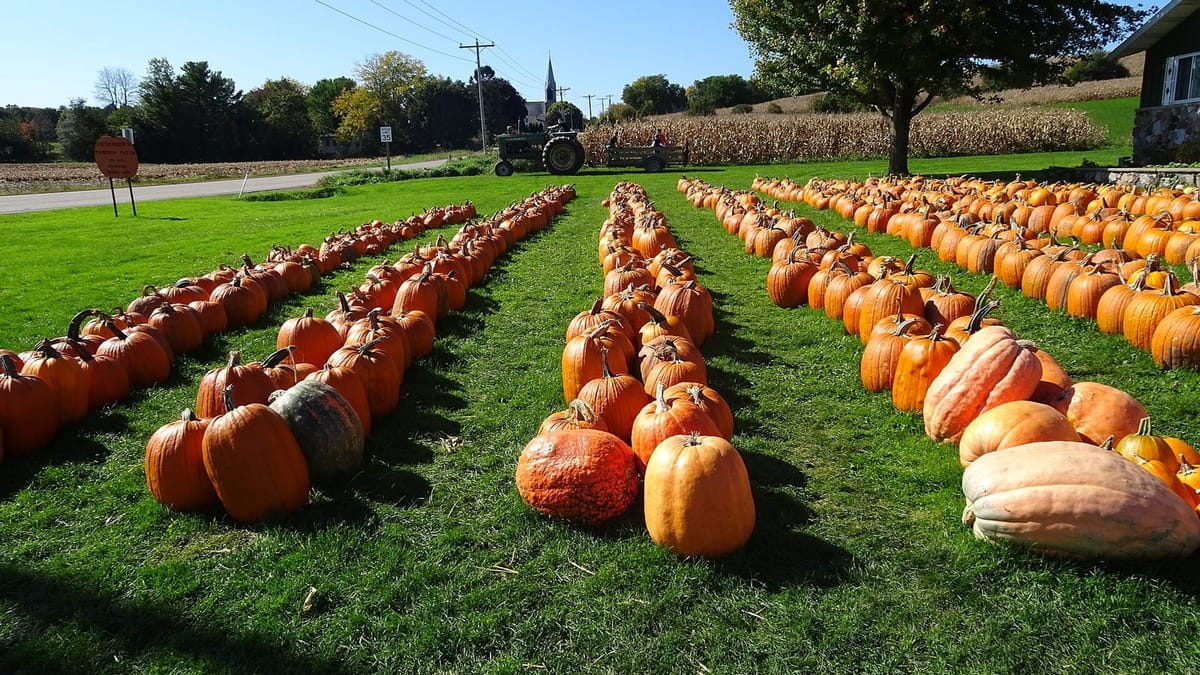
Fall activities follow a rhythm, not a calendar. Orchards open while the leaves are still green, foliage drives take over by the middle of the season, and pumpkins close things out. Here's the full lineup, in roughly the order it happens on the ground.
Early season: orchards open while the canopy is still green
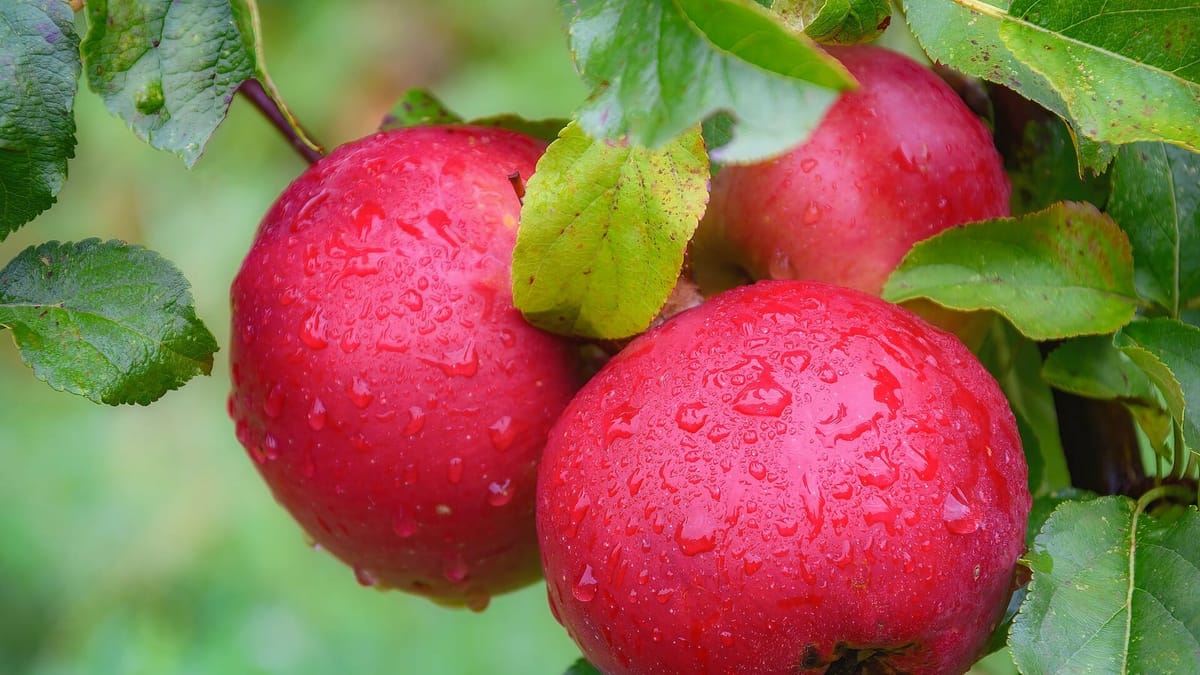
Apple picking usually opens the fall season before a single maple has turned. Early varieties ripen while the trees around the orchard are still fully leafed out in summer green, so your first orchard trip of the year might have nothing to do with color at all. New Hampshire keeps a long picking season running, with different rows opening as each variety comes ready in turn. Which apples ripen first, how a pick-your-own farm actually organizes its rows, and what a family can reasonably do with a full bag of fruit all get a longer answer in our guide to apple picking. The short version: go on a weekday if you can, and go early in the season if you want the good rows before they're picked clean.
Cider, doughnuts, and the first farm-stand run
Most people's actual first fall outing is a farm stand, not an orchard. Sweet corn is finishing, winter squash starts piling up in bins, and pressed cider shows up alongside the last of the summer tomatoes. Warm cider doughnuts are less a recipe than a business model: the batter is basic, the draw is that they're fried to order and handed over while they're still hot. None of this needs a hard frost or a single red leaf. It only needs the harvest to be in, which happens earlier than most people expect. The chemistry behind why this stretch of food tastes the way it does, the sugar in squash, the tannin in cider apples, the reasons cold nights sweeten certain crops, gets its own treatment in the flavors of fall.
Mid-season: the leaves take over the agenda
Once color moves in, it reorganizes everyone's weekend plans. This is the stretch when foliage drives, ridge hikes, and scenic-overlook stops become the main event, and orchards and farm stands turn into pass-through stops rather than the destination. Vermont is the classic case: color tends to run from the high country down into the valleys over a couple of weeks, and the window keeps moving as the season goes, tracked at October 7–October 11, 2026 (forecast). New York covers enough elevation and latitude that a single weekend trip can catch three or four different stages of the season depending on which direction you drive. If you're building an actual road trip around this stretch rather than a single afternoon, our foliage road-trip guide and the live map are the two tools worth having open at once.
Hayrides, corn mazes, and the farm as a destination
Somewhere in the middle of the season, working farms turn into weekend destinations in their own right. A hayride is exactly what it sounds like: a wagon, a tractor, and a loop around the property, usually with a stop at a pumpkin field or a scenic overlook along the way. Corn mazes range from a simple loop cut through a single field to genuinely elaborate designs that take an hour or more to finish, often with a flashlight-lit night version for anyone who wants it harder. None of it requires much skill or planning. It does reward showing up earlier in the day: mazes get muddy and crowded by afternoon, and the animals at most farm-stand petting areas are considerably more cooperative before a few hundred kids have visited.
The rest of the agritourism menu
Once a farm commits to a season of visitors, the hayride and the maze are usually just the headline act. Apple cannons and corn cannons, air-powered launchers that fling produce at a target, show up at a lot of the bigger operations, along with barrel-train rides built for kids too small for a full hayride. Food trucks and cider-doughnut stands tend to cluster near the parking area rather than out in the fields, and craft vendors selling wreaths, gourds, and preserves often set up alongside them on weekends. None of this is universal. Smaller, working farms that only run pick-your-own hours might have none of it, while a farm that's built its whole business around fall visitors can turn into something closer to a small fairground on a Saturday. Checking a farm's own listing before you drive out saves you from expecting a petting zoo and finding a quiet orchard, or the other way around.
Fall day-trip essentials
- Layers, since farm mornings run colder than they look
- Cash for smaller stands and vendors that skip cards
- A charged phone or camera for the drive itself
- Sturdy, closed-toe shoes for muddy rows and mazes
- A cooler for anything perishable you bring home
Scenic drives and where to actually stop
Once color takes over, the drive itself becomes the activity, and a few habits make it work better for everyone on the road. Pull all the way off at marked overlooks rather than stopping in the travel lane for a photo; on narrow rural roads, a single stopped car can back up traffic for a surprising distance. Morning light tends to be softer and less likely to wash out a photo than the flat glare of midday, and a route driven on a weekday morning is a genuinely different experience from the same road on a Saturday afternoon, when every overlook has a line for the same three parking spots. If a route runs along a ridge, the view often opens up gradually rather than all at once, so it's worth driving the whole thing before deciding which pull-off actually has the best angle.
Small-town festivals and craft fairs
Beyond any single farm, plenty of small towns build an entire weekend around the harvest: craft fairs on the town green, cider-pressing demonstrations, local school fundraisers selling apple butter or baked goods, and farmers markets that stretch later into the year than most people expect. These events run on local timing more than anything tied to color or crop readiness, and they're usually the easiest way to get a feel for how a region does fall without booking anything in advance. A lot of them are easy to miss unless you're looking, since they don't always get the same attention as a big orchard or a famous scenic drive, but they're often where the actual local character of the season shows up.
Pumpkins take over as the mazes empty out
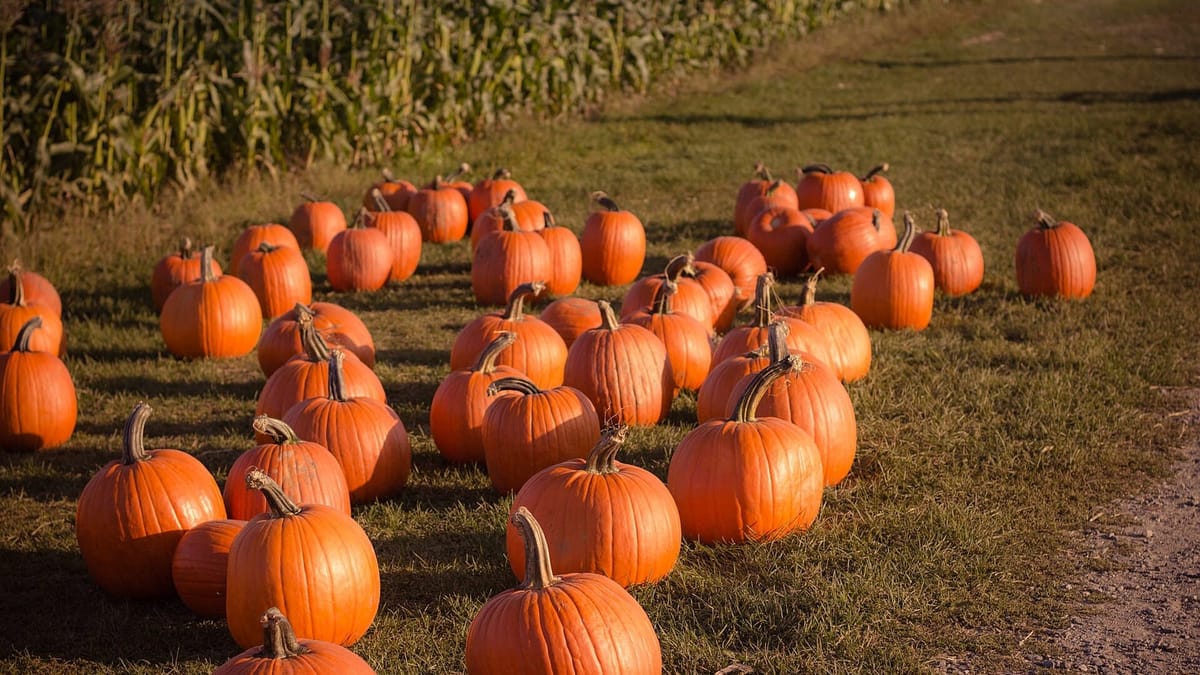
Pumpkin patches build slowly through the middle of the season and then dominate the back half of it completely. Picking your own pumpkin, choosing a carving design, deciding whether to actually cook the thing afterward: it's enough of a subject to earn its own guide, in pumpkin season, from patch to pie. What's worth knowing going in is that patches thin out fast in the last couple of weeks before Halloween, so the biggest, most photogenic pumpkins usually belong to whoever showed up earliest.
Late season: the last color and the first hard frost
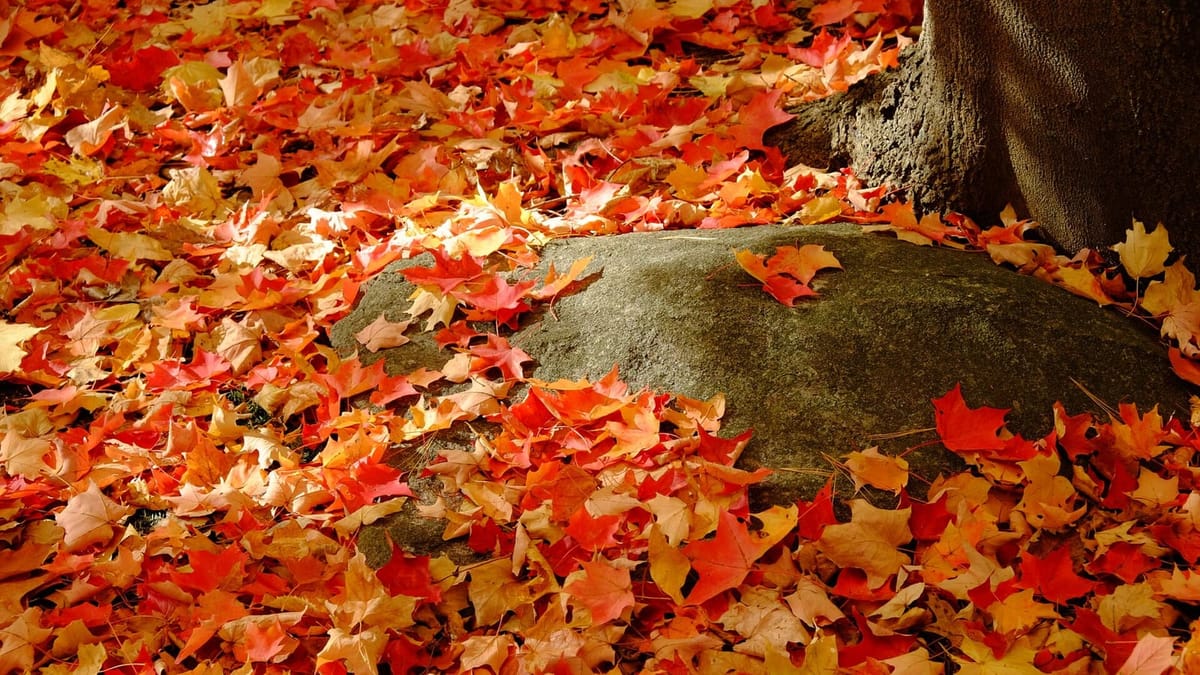
By the tail end of the season, the show is winding down in most places, and the activities shift to match. This is the stretch for collecting leaves before wind and rain strip the trees bare, and for anyone who wants to keep a few of them, pressed flat in a book or dipped in wax, the methods that actually hold color are covered in how to preserve autumn leaves. It's also prime time for the last bonfires of the year, cider that's gone from sweet to sharp as it sits, and the last cool, clear hiking weekends before bare branches and mud take over.
Halloween and the last weeks of the season
The activities calendar closes with Halloween itself: carving whatever pumpkin survived the porch that long, a last hayride or corn maze for anyone who put it off, one more bonfire before the weather turns genuinely cold. It's less a single event than the accumulation of everything that came before it landing on one week. Farms that ran pick-your-own operations all season often close for the year within days of it.
Building your own fall calendar
None of this runs on a fixed schedule, which is the whole point of organizing it by season stage instead of by date. Orchards, mazes, and pumpkin patches all depend on local weather and a particular farm's planting choices, so the same activity can land two or three weeks apart between a mountain region and a valley sixty miles away. The most reliable approach is to pick a region, check its current status rather than guessing from a past year, and build the trip around what's actually happening on the ground that week. New Hampshire, Vermont, and New York each run on their own clock even though they sit close together, which is exactly why checking before you drive matters more than checking a calendar.
A trip built around one activity alone rarely uses the day well, since most of what's covered here sits close enough together to combine. An orchard visit in the morning, a scenic drive at midday when the light is best, and a pumpkin patch or farm stand on the way home is a realistic single-day loop in a lot of regions, especially earlier in the season before everything gets crowded. Later in the season, when patches and mazes are at their busiest, it's often easier to pick one anchor activity and let the rest of the day happen around it rather than trying to hit every stop on a list.
Frequently asked
- What's the first fall activity of the season?
- Apple picking usually comes first, often starting while the surrounding trees are still fully green. Early-ripening varieties come off the tree well before any real color shows up, so the first orchard weekend of the year typically has nothing to do with foliage timing at all.
- When do pumpkin patches usually open?
- Pumpkin patches build slowly through the middle of the season and peak in the weeks leading up to Halloween, later than apple orchards and roughly alongside the best foliage color in most regions. Patches thin out fast near the end, so the biggest pumpkins tend to go to early visitors.
- Do I need to plan around peak foliage to enjoy fall activities?
- No. Orchards, farm stands, hayrides, and pumpkin patches each run on their own schedule tied to harvest timing rather than leaf color, and most of them span weeks before and after any single region's color peak, so a trip built around activities doesn't need to chase a specific window.
- What's the best way to avoid crowds at fall activities?
- Go on weekdays if your schedule allows it, and go earlier in the season rather than the final weekend before Halloween, when patches, mazes, and orchards see their heaviest traffic. Arriving early in the day also helps, since most farms get considerably busier after midday.
- How far ahead should I book hayrides or corn mazes?
- Popular farms can fill weekend time slots days or even weeks in advance during the busiest stretch of the season, so it's worth reserving ahead if a specific weekend matters. Weekday visits are usually far more flexible and often don't require booking at all.
Regions in this article
More in Activities & Food
Activities & Food
Apple Picking, Explained: Timing, Varieties, and Orchard Etiquette
How apple picking timing actually works, which varieties ripen early versus late, and the orchard etiquette that keeps pick-your-own farms running smoothly.
2026-07-17 · 5 min read
Activities & Food
How to Preserve Autumn Leaves: Pressing, Wax, and Glycerin
Three real methods for preserving fall leaves, pressing, wax, and glycerin, with what each one keeps and what it trades away in the process.
2026-07-17 · 5 min read
Activities & Food
Pumpkin Season: From Patch to Jack-o'-Lantern to Pie
How pumpkin patches work, what makes a carving pumpkin last, and why pie pumpkins and carving pumpkins are not actually the same fruit.
2026-07-17 · 5 min read