Activities & Food
The Flavors of Fall: Why Autumn Food Tastes the Way It Does
By Benjamin Janes · Published
· 5 min read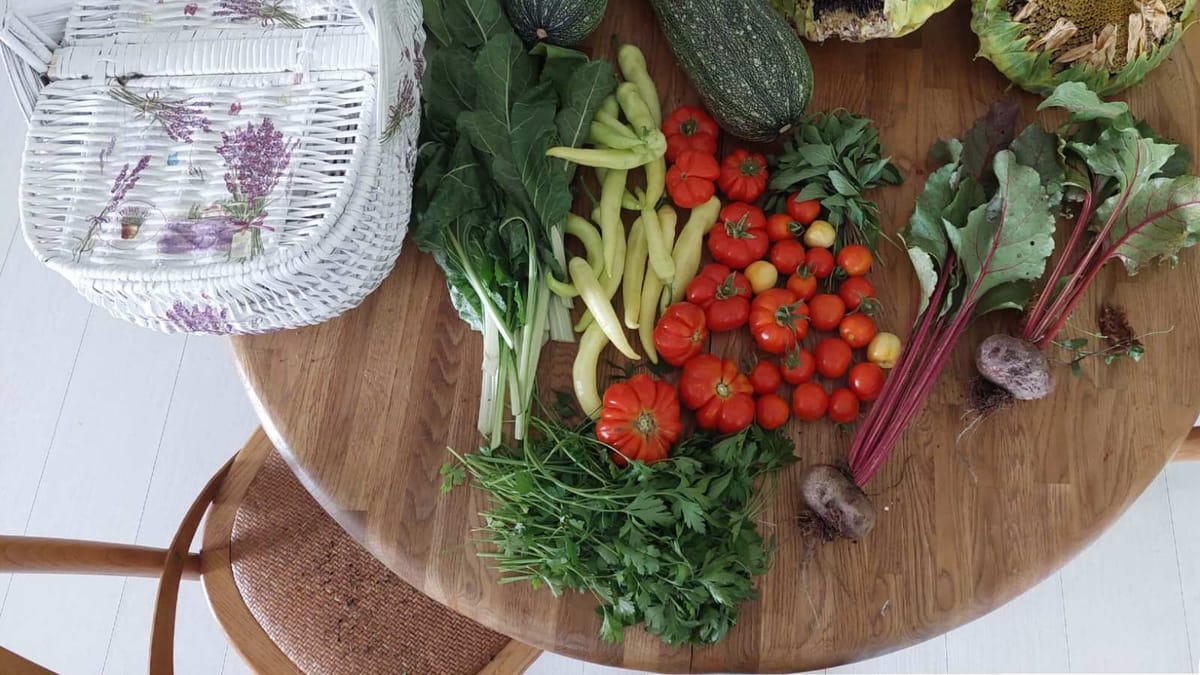
Fall food doesn't just happen to taste different. Cold nights, curing time, and a narrow band of spices are doing real chemical work behind the flavors everyone associates with the season. Here's the actual mechanism behind why squash gets sweeter in storage, why cider tastes different from juice, and why the same handful of spices shows up in everything.
Cold nights and the sugar hiding in your vegetables
Plants convert starch into sugar as a defense against cold, essentially building an internal antifreeze as temperatures drop close to freezing. That's why parsnips, kale, carrots, and Brussels sprouts all taste noticeably sweeter after a real cold snap than they did picked in warm weather. It's not your imagination and it's not a seasonal placebo: the starch-to-sugar conversion is a real, measurable response, and farmers who grow these crops often wait deliberately for a frost or two before harvesting for exactly that reason. The same chemistry doesn't apply to summer vegetables like tomatoes or peppers, which is part of why fall's cold-weather crops taste like they belong to a different, sweeter category of food entirely.
Squash and pumpkin: why curing matters more than picking day
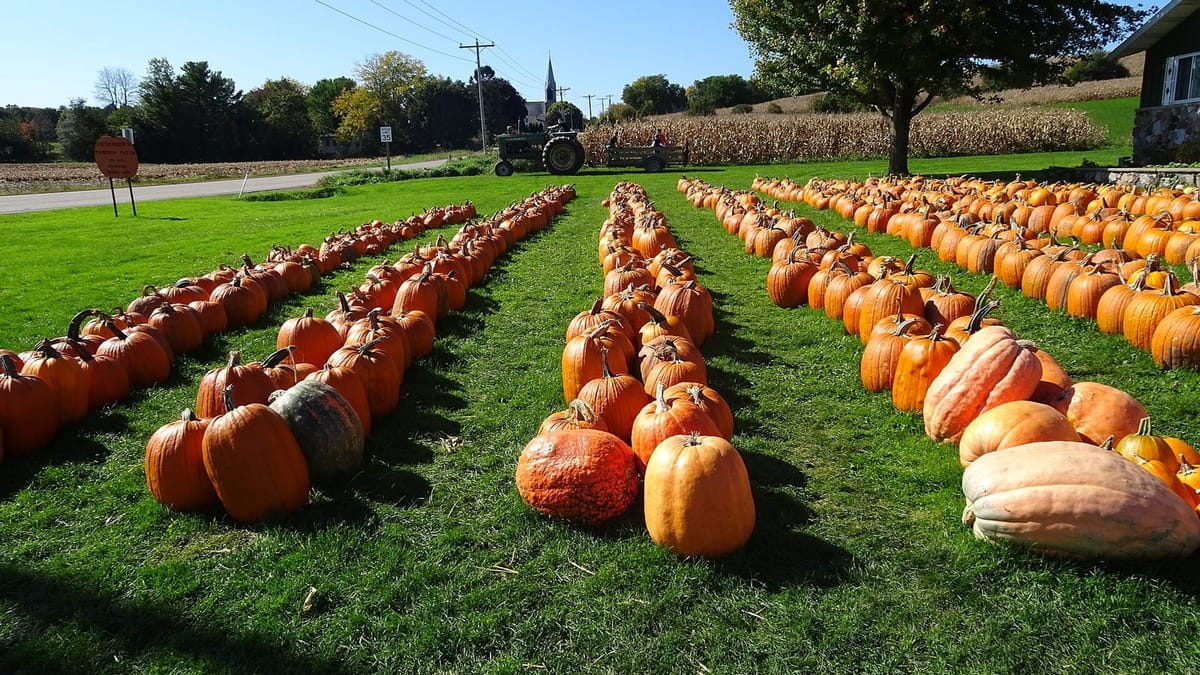
A winter squash or pumpkin isn't actually at its best the moment it comes off the vine. Growers cure them, typically a couple of weeks in a warm, dry spot, before the squash goes into storage or to market. Curing toughens the outer rind, which helps the squash keep through the winter without rotting, and it also lets internal starches keep converting to sugar even after the squash is off the plant. A squash eaten straight off the vine and one eaten a few weeks later, after curing, can taste meaningfully different even though nothing about the variety changed in between. That gap is most of the reason a real pie pumpkin, given time to cure properly, tastes so much better than the same variety rushed straight to the oven.
Apples and cider: sugar and acid in the same bite
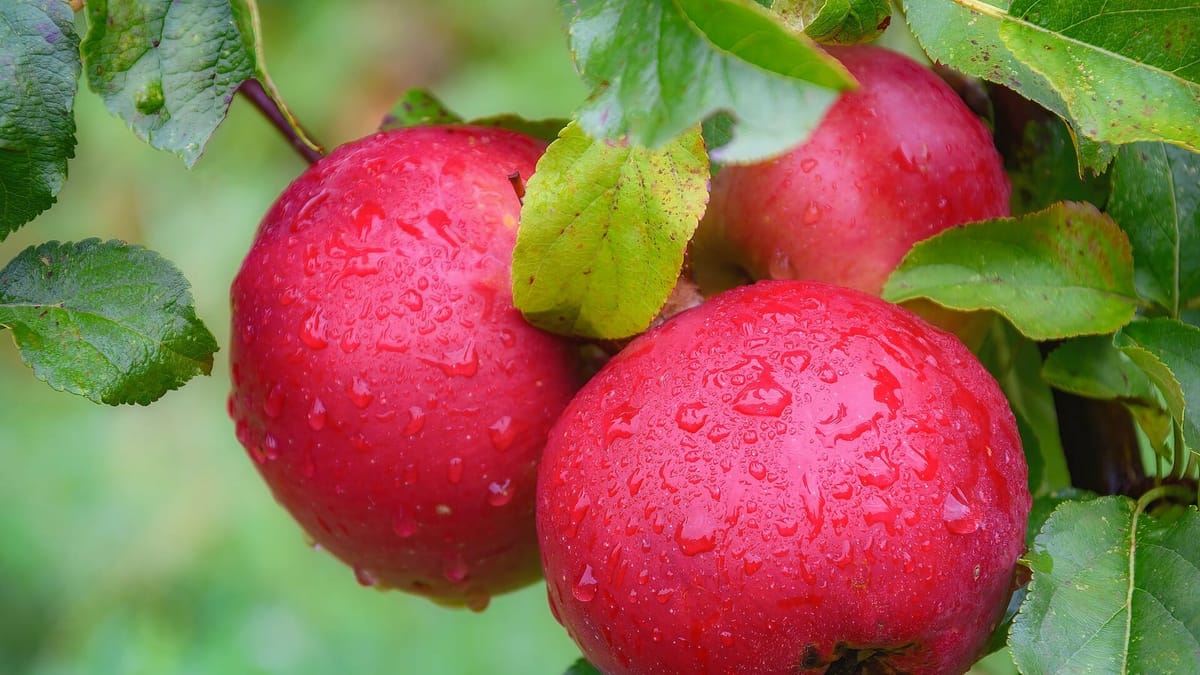
An apple's flavor comes down to the balance between its sugar and its acid, and that balance is exactly what growers are managing when they choose which varieties to blend into a batch of cider. Dessert apples, the kind sold for eating out of hand, are usually bred to skew sweet with just enough acid to keep them from tasting flat. Cider apples run a wider range on purpose, often including varieties with more tannin, the same compound that gives strong tea its bite, because a cider made purely from sweet, low-acid apples tends to taste thin and one-note. That's why a good cider blend usually leans on more than one variety, mixing sweetness, acid, and tannin the way a winemaker blends grapes rather than treating apples as interchangeable.
Spice: why fall food tastes "warm"
Cinnamon, nutmeg, clove, ginger, and allspice make up almost the entire flavor identity people associate with fall, and none of them are actually harvest crops from anywhere near the regions that eat them most. All five were, for centuries, expensive imported spices, and their association with the harvest season has more to do with when preserved fruit, cider, and baked goods traditionally got made than with anything botanical about autumn. Once these spices became cheap and common rather than rare, the flavor combination stuck as a seasonal shorthand: the moment cinnamon and clove show up in a drink or a baked good, most people register it as fall before they've even placed the specific taste. The pumpkin pie spice blend on grocery shelves is really just that same five-spice combination, packaged and sold as a single jar.
Coffee, cider, and the warm-drink half of the season
The same five spices that define fall baking show up just as heavily in fall drinks, and the reasoning is identical: cinnamon and clove read as autumn the moment they hit hot liquid, whether that liquid is mulled cider, mulled wine, or coffee. Hot cider is really just sweet cider warmed with a handful of those same spices steeped in, which is part of why it tastes like a warmer, spicier cousin of the cold cider sold at the same farm stand. Coffee chains eventually built an entire seasonal marketing category around this same flavor combination, decades after the spices themselves had stopped being rare or expensive, which says more about how deeply the association had already set in than about anything new happening in a cup of coffee. The drink didn't invent the fall-spice connection. It just packaged a very old idea into something you could order at a drive-through.
Maple, and the last sweet thing before winter
Maple syrup is technically a spring product, since the sap that becomes syrup runs when nights are still freezing but days have started to warm, but it shows up constantly in fall cooking anyway, layered onto squash, stirred into cider, drizzled over the last of the season's apples. Québec — Laurentians & Eastern Townships and Vermont both built real food cultures around maple for the same reason: a long, cold winter ahead makes a shelf-stable sweetener worth producing in bulk, and fall cooking leans on it hard before the fresh harvest runs out for the year. Montreal keeps that tradition visible right through the season, in bakeries and markets that treat maple as a fall pantry staple rather than a spring novelty.
Where the flavors and the festivals meet
None of this developed by accident. Harvest-season food traditions, preserving, spicing, and stretching a good crop as far as it will go, run back as long as people have farmed a place with a real winter, a history covered in full in harvest festivals through history. The food didn't get built around the season for decoration. It got built around genuine limits: what was ripening, what would keep, and what needed strong spice to make it through months of storage. If the rest of the season's activities interest you as much as the food does, our field guide to classic fall activities covers the full calendar, and the live foliage map is worth a look if a food trip doubles as a color trip.
Frequently asked
- Why do vegetables taste sweeter in the fall?
- Many crops convert starch into sugar as a defense against cold, essentially building an internal antifreeze as temperatures drop toward freezing. That's a real, measurable chemical response, not a seasonal illusion, and it's why parsnips, kale, and carrots often taste noticeably sweeter after a real cold snap.
- Why does squash taste better after it's been stored for a while?
- Growers cure winter squash and pumpkins in a warm, dry spot for a couple of weeks after harvest, which toughens the rind for storage and lets internal starches keep converting to sugar even after the squash is off the vine. Curing changes the flavor more than the picking day does.
- What makes cider taste different from apple juice?
- Cider is typically pressed from a blend of apple varieties chosen for a mix of sweetness, acid, and tannin, closer to how a winemaker blends grapes than to how juice is made from a single sweet variety. That blend is what gives cider its fuller, less one-note flavor.
- Why do cinnamon and nutmeg taste like fall?
- Those spices, along with clove, ginger, and allspice, were historically expensive imported goods used heavily in harvest-season cooking and preserving. Once they became cheap and common, the flavor combination stuck as a cultural shorthand for the season, even though none of the spices themselves are harvested nearby in fall.
- Is maple syrup actually a fall food?
- Not by harvest timing. Maple sap runs in early spring, when nights are still freezing but days have warmed. Maple shows up constantly in fall cooking anyway, stirred into cider and drizzled over squash and apples, because it's a shelf-stable sweetener that keeps well from one season into the next.
Regions in this article
More in Activities & Food
Activities & Food
A Field Guide to Classic Fall Activities
The full canon of fall activities, from the first orchard weekend to the last jack-o'-lantern, organized by how the season actually unfolds on the ground.
2026-07-17 · 7 min read
Activities & Food
Apple Picking, Explained: Timing, Varieties, and Orchard Etiquette
How apple picking timing actually works, which varieties ripen early versus late, and the orchard etiquette that keeps pick-your-own farms running smoothly.
2026-07-17 · 5 min read
Activities & Food
How to Preserve Autumn Leaves: Pressing, Wax, and Glycerin
Three real methods for preserving fall leaves, pressing, wax, and glycerin, with what each one keeps and what it trades away in the process.
2026-07-17 · 5 min read