Activities & Food
Apple Picking, Explained: Timing, Varieties, and Orchard Etiquette
By Benjamin Janes · Published
· 5 min read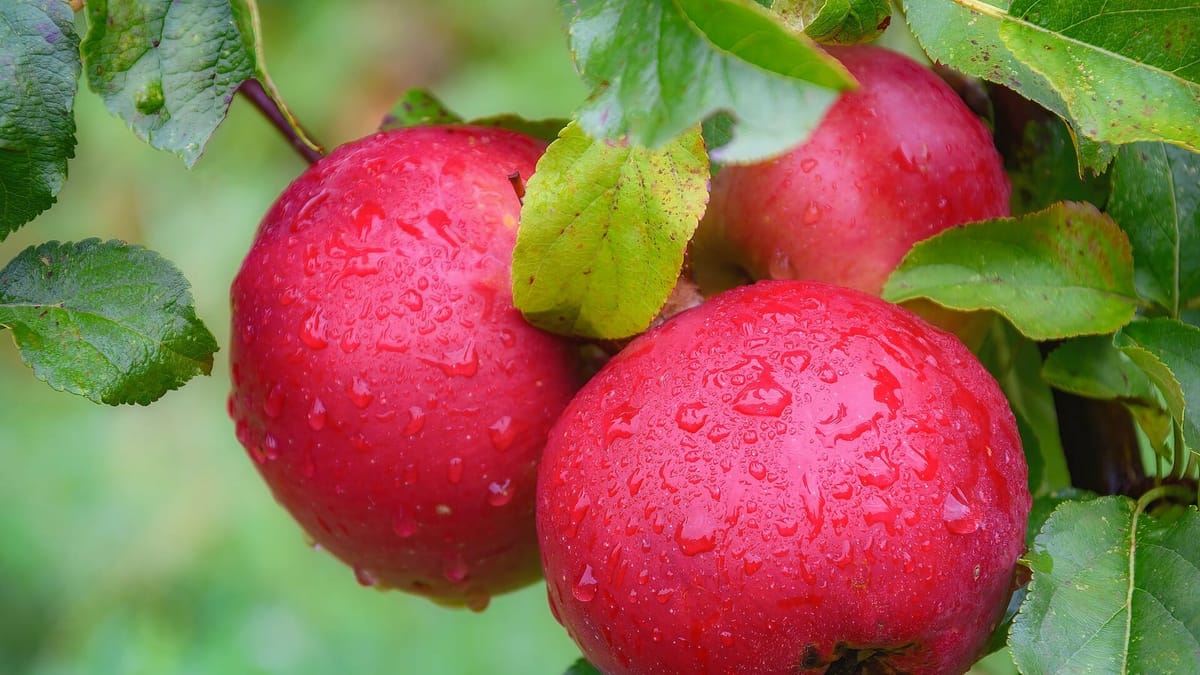
Apple picking is the fall activity that starts earliest and confuses people the most, because it has almost nothing to do with the leaves. Here's how orchard timing actually works, which varieties to look for, and the unwritten rules that keep pick-your-own farms running smoothly.
Why apple season starts before foliage season
Apple trees run on their own internal clock, tied to when a particular variety's fruit finishes ripening, not to when the surrounding maples decide to turn. That's why the first pick-your-own weekend of the year regularly lands while the whole orchard canopy is still fully green. Growers plant a mix of varieties specifically to stretch the season, so the honest answer to "when does apple picking start" depends entirely on which variety a given farm is opening that week. A farm with early, mid, and late varieties planted in separate blocks can run pick-your-own for a long stretch, opening a new block roughly as the last one empties out.
Early varieties, then late varieties
Orchards generally work through their rows in a predictable order. Early varieties tend to be softer and more short-lived once picked, and are usually eaten within days rather than stored. Mid-season varieties balance sweetness and tartness and hold up reasonably well in a fridge drawer for a few weeks. Late varieties are typically the firmest and most acidic off the tree, the kind that mellow and sweeten with a few weeks of storage rather than tasting their best on day one, and they're the varieties most worth setting aside for baking or for cider pressing. None of this is fixed. Growers choose their variety mix based on local climate and what sells, so two orchards an hour apart can be picking completely different fruit in the same week. Farther north, orchards in Vermont tend to run a shorter, more compressed season than farms just a couple of states south, with fewer varieties but an earlier overall finish.
How a pick-your-own orchard actually works
Most pick-your-own farms sell by weight or by container rather than by the apple, and they'll usually point you toward whichever rows are currently open rather than let visitors wander the whole property. Staff rotate open rows deliberately, both to protect trees that need a rest and to keep visitors away from blocks that were only just sprayed or aren't ready yet. A picking bag or a provided box tells you roughly how much fruit you're signing up to carry, and it's worth checking that before filling it past what you can actually manage back to the car. New Hampshire has enough orchard density that a single day trip can realistically hit two farms if the first one runs out of open rows.
Orchard day essentials
- Bags or boxes if the farm doesn't provide them
- Cash for stands that don't take cards
- Closed-toe shoes for uneven orchard rows
- A cooler in the car if it's still warm out
- A second bag for the cider doughnuts
Orchard etiquette that keeps a pick-your-own farm running
Twist and lift each apple rather than pulling straight down or shaking the branch. Pulling tears the short woody spur the apple grew from, and that same spur is what the tree would otherwise use to grow fruit there again. A branch stripped by shaking usually loses next year's fruiting spurs along with whatever ripe and unripe apples happened to be hanging on it. Stay out of rows marked closed, keep kids from climbing the trees, and don't eat straight off the tree without paying first, since most farms charge by weight picked rather than weight taken home. None of this is complicated, and orchard staff are generally glad to explain the layout to first-timers who ask instead of guessing.
What to do with more apples than you meant to pick
It's easy to fill a bag faster than you plan to eat its contents, and a full bag is a lot more fruit than it looks like at pick time. Firmer, later-season varieties keep the longest in a cold, humid spot like a fridge crisper drawer. Softer varieties are best used within a week or so, in a pie, in sauce, or simply eaten out of hand before they turn mealy. Bruised or scuffed apples that got a little rough treatment in the bag are still perfectly good for baking or sauce even if they're not pretty enough to eat plain. If a farm presses its own cider, ask whether they'll take drops or seconds off your hands. Plenty of orchards will.
Cider mills: where the extra apples go
A lot of orchards run a cider mill alongside the picking rows, and it's worth a stop even if you didn't come for cider. Sweet cider is simply pressed apple juice, unfiltered and unpasteurized at the smaller operations, made from whatever mix of varieties the mill has on hand that week rather than a single fixed recipe. That's part of why cider from two different farms rarely tastes identical: one mill leaning on tart, high-acid varieties turns out something sharper, while another leaning sweet produces a milder batch. Some farms sell straight off the press, still cold and cloudy, which is a different drink entirely from the shelf-stable, pasteurized version sold in most grocery stores. A few go further and ferment part of their harvest into hard cider, a much older use for apples than sweet drinking cider and, in a lot of regions, the reason apples got planted there in the first place. For more on why the sugar-and-tannin mix in a cider apple tastes the way it does, the flavors of fall covers that chemistry directly.
Building a day around it
Boston sits close enough to New Hampshire's orchard country for apple picking to work as a genuine day trip rather than a whole weekend commitment, and the same drive typically picks up decent color by the middle of the season if you time it right. Check a region's current status before you go rather than assuming from a past year, since variety mix and weather both shift the picking window from one season to the next. For the rest of the fall activities calendar around this one, our field guide to classic fall activities covers where apple picking fits alongside everything else, and the live foliage map is worth a look the same week if you want to catch color on the same trip.
Frequently asked
- When does apple picking season start?
- It starts earlier than most people expect, often while the surrounding trees are still green, because early-ripening varieties are ready well before any foliage color shows up. The exact start depends on which varieties a given orchard grows and how the season's weather ran that year.
- What's the difference between early and late apple varieties?
- Early varieties tend to be softer and best eaten within days of picking. Late varieties are usually firmer and more acidic straight off the tree, and often improve with a few weeks of cold storage rather than tasting their best immediately, which suits them well to baking and cider.
- Is it okay to eat apples while picking?
- Most orchards charge by weight picked rather than weight carried out, so eating straight off the tree without paying is generally treated as picking, not sampling. If you want to taste a variety before committing to a full bag, ask staff. Many orchards keep cut samples out front.
- What should I do with bruised or damaged apples?
- Bruised apples are still perfectly good for baking, sauce, or pressing into cider, even though they're not pretty enough to eat plain. Use them within a few days rather than storing them, since damage speeds up spoilage. Many orchards will also take drops or seconds for their own press.
- Why shouldn't I pull or shake apples off the branch?
- Pulling straight down or shaking a branch damages the short woody spur the apple grew from, and that same spur is what the tree uses to grow fruit there again next year. Twisting and lifting each apple gently protects next year's crop along with the one you're picking now.
Regions in this article
More in Activities & Food
Activities & Food
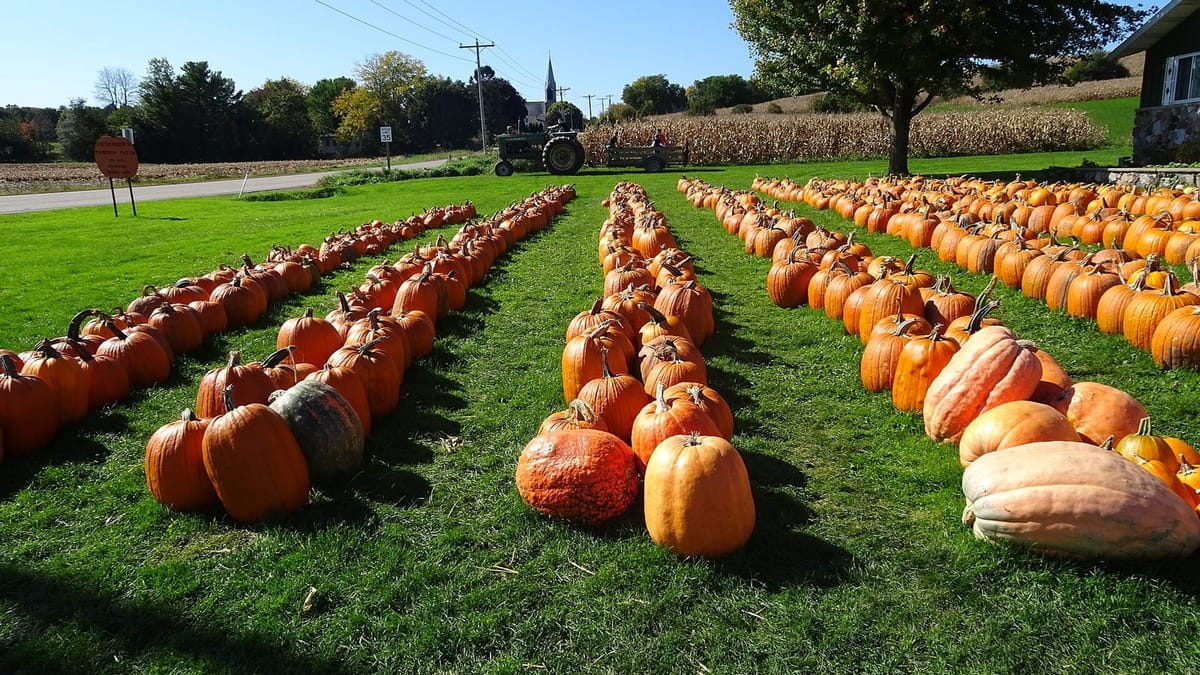
A Field Guide to Classic Fall Activities
The full canon of fall activities, from the first orchard weekend to the last jack-o'-lantern, organized by how the season actually unfolds on the ground.
2026-07-17 · 7 min read
Activities & Food
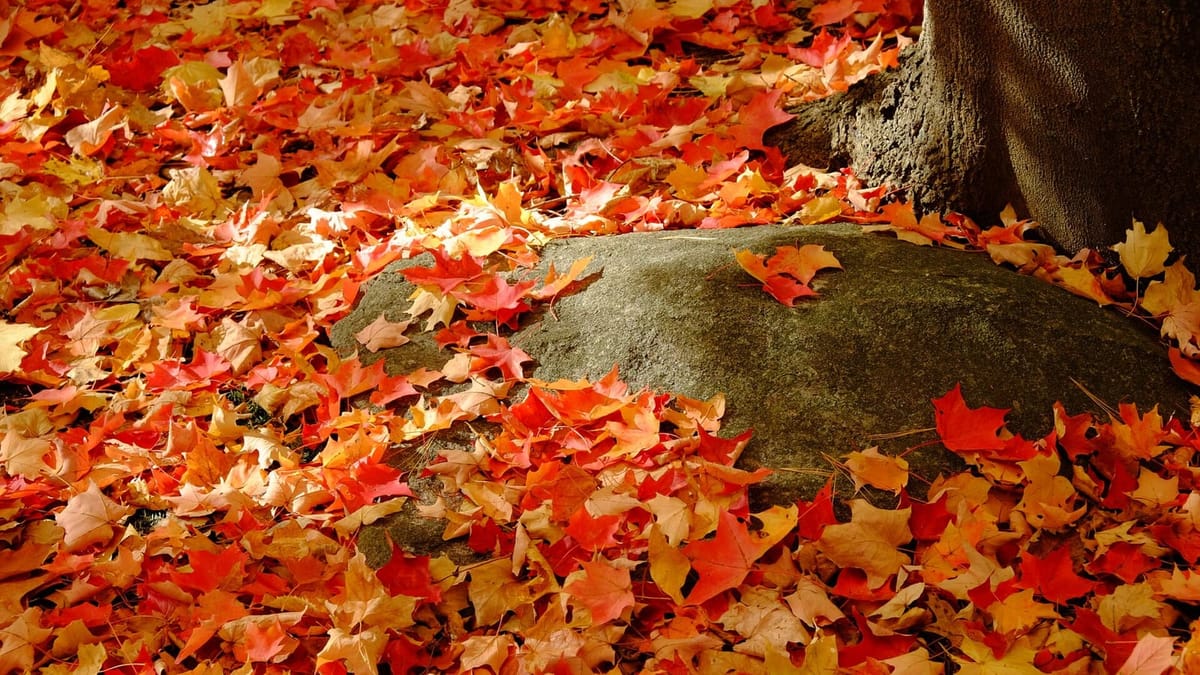
How to Preserve Autumn Leaves: Pressing, Wax, and Glycerin
Three real methods for preserving fall leaves, pressing, wax, and glycerin, with what each one keeps and what it trades away in the process.
2026-07-17 · 5 min read
Activities & Food
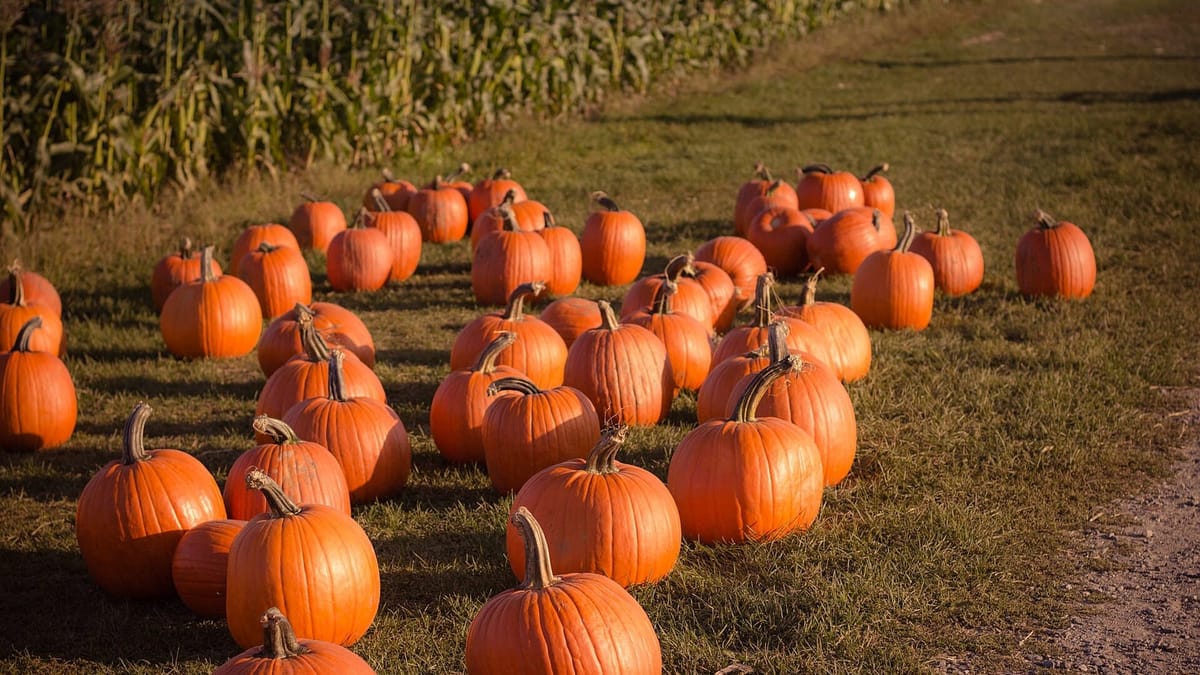
Pumpkin Season: From Patch to Jack-o'-Lantern to Pie
How pumpkin patches work, what makes a carving pumpkin last, and why pie pumpkins and carving pumpkins are not actually the same fruit.
2026-07-17 · 5 min read