Traditions Around the World
Harvest Festivals Through History: From Lammas to the County Fair
By Benjamin Janes · Published
· 4 min read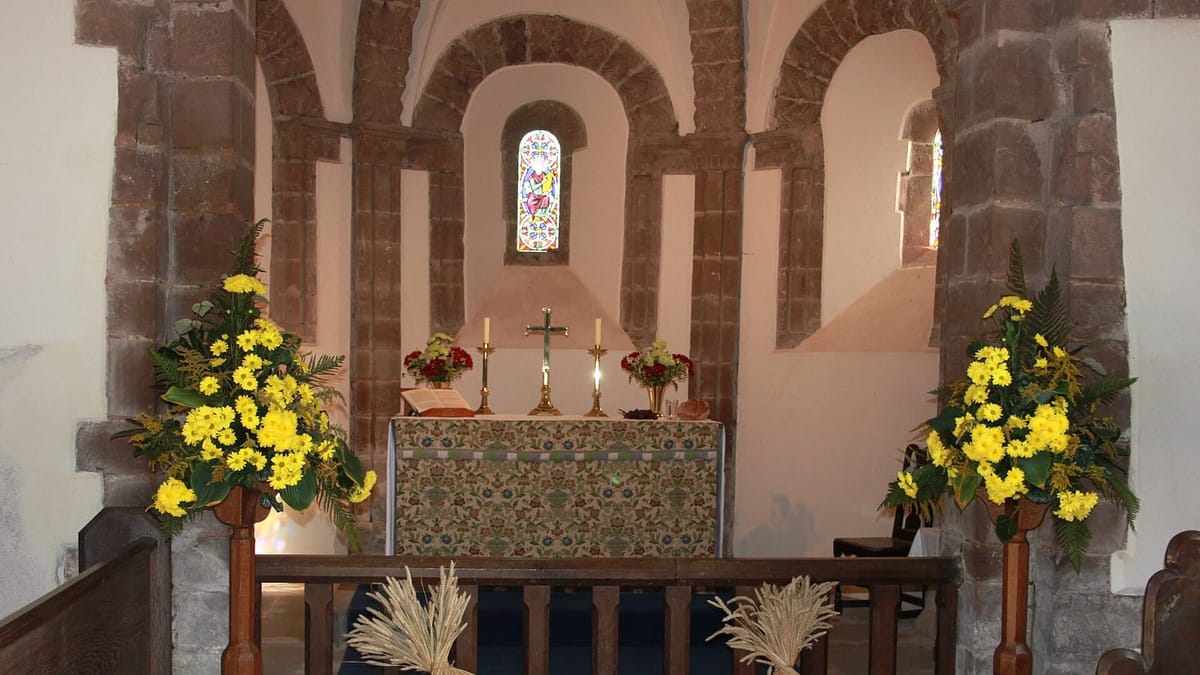
Nearly every farming culture that depends on a single growing season has invented some version of the same festival: bring in the crop, give thanks for it, then feed everyone before winter closes in. England's path runs from a loaf of blessed bread to a wagon full of grain to, eventually, the modern county fair.
Lammas: the loaf that started the season
Lammas, or Loaf Mass, marked the opening of the English grain harvest on the first of August, one of four traditional cross-quarter days spaced between the solstices and equinoxes. Bread baked from the season's first-cut wheat was brought to church and blessed, a literal first-fruits offering standing in for a harvest that was really only just beginning. Unlike the festivals that would come later in the season, Lammas wasn't a celebration of a finished job. It was closer to a starting gun, a formal acknowledgment that the real work of the year had begun.
Corn dollies: keeping the field's spirit through winter
Older and stranger than Lammas is the corn dolly, a small figure woven from the very last sheaf cut in a field. Belief across Britain and much of pre-industrial Europe held that the spirit of the grain, or of the field itself, retreated into that final standing sheaf as the harvest closed in around it. Cutting it carefully and weaving it into a figure was a way of capturing that spirit rather than destroying it outright, and the finished dolly was often kept through winter, sometimes above a hearth, before being ploughed back into the first furrow of the following spring to carry the field's luck forward into the new crop.
The craft survived long after most people stopped believing in the spirit behind it, and corn dolly weaving is still taught and practiced today as a folk art, even where the original superstition has faded to little more than a good story.
Harvest Home: riding in on the last cartload
By the time a farm's final field was cut, the mood had shifted from Lammas's cautious optimism to something closer to relief. Harvest Home celebrated exactly that moment: the last loaded wagon, often decorated and topped by workers riding home in triumph, followed by a supper the whole farm turned out for. Landowners and laborers ate at the same table for one night of the year, a genuine inversion of the usual hierarchy that made Harvest Home stand out from the rest of the working calendar. Church-based harvest festival services, still common across United Kingdom today, descend fairly directly from this same custom, even after the wagon and the field hierarchy it celebrated mostly disappeared.
Michaelmas: settling accounts at the harvest's close
Not every English harvest custom centered on food or thanksgiving. Michaelmas, the feast of St. Michael, fell near the close of the harvest season and did double duty as an informal deadline for the agricultural year: tenant farmers traditionally settled rents and accounts with landowners around this date, and a goose fattened through the autumn often ended up on the table once the business of the day was finished. The custom of eating goose at Michaelmas outlasted the rent-day formality behind it by centuries, a reminder that plenty of harvest traditions survive as food long after the economic reason for them has quietly disappeared.
How the wagon became the county fair
Settlers carried the underlying impulse behind Harvest Home across the Atlantic, and it gradually merged with a newer, more competitive strain of community gathering: the agricultural fair. Produce judging, livestock shows, pie contests, and a shared communal meal all trace back to the same basic instinct that powered Harvest Home, dressed up with ribbons and a judging table. New England took to the format with particular enthusiasm. Small towns across Vermont still run fairs that have gathered farmers, prize pumpkins, and draft horses into the same fairground for well over a century, changed in scale but barely changed in purpose. If you're planning a fall trip through the region, our guide to New England destinations covers where those fairs sit alongside the best of the foliage season, and our road trip guide for the 2026 season is built around exactly this kind of stop.
Why nearly everyone invented one
The pattern isn't unique to England or its former colonies. A farming culture tied to a single growing season faces the same hard deadline every single year: bring in the crop before the weather turns, then live off it until the next one comes in. A festival marking that turn, thanking whatever power seemed responsible and feeding the whole community at once, shows up independently almost everywhere people have farmed a temperate climate. Europe's own version runs through cattle drives and wine harvests rather than wheat and corn dollies, covered in our guide to Alpine and European autumn traditions, and North America's own harvest holiday split into two distinct traditions on either side of a border, a divergence explained in our comparison of the American and Canadian Thanksgivings.
What survives from Lammas and Harvest Home isn't really the bread or the wagon. It's the underlying shape: work finishes, the community gathers, and everyone eats together before the cold sets in. Nearly a thousand years on, county fairs and church harvest suppers are still running that same basic program.
Frequently asked
- What was Lammas?
- Lammas, or Loaf Mass, was an early English harvest observance marking the start of the grain harvest, on the first of August. Bread baked from the season's first wheat was brought to church and blessed, and the day functioned as one of four traditional cross-quarter days spaced between the solstices and equinoxes.
- What is a corn dolly?
- A corn dolly is a small figure woven from the last sheaf of grain cut in a harvest, a custom found across Britain and much of pre-industrial Europe. Older belief held that the field's spirit lived in that final sheaf, so weaving and keeping it, often until spring planting, was thought to protect next year's crop.
- What is Harvest Home?
- Harvest Home is the English custom of celebrating the final cartload of grain brought in from the fields, historically marked by workers riding home atop the loaded wagon and a communal supper afterward. It's one of the direct ancestors of the modern harvest festival service still held in many British churches.
- How did European harvest festivals become the American county fair?
- Settlers and later immigrants carried the impulse behind Harvest Home and similar customs to North America, where it gradually merged with agricultural competition and community fairground culture. Produce judging, livestock shows, and communal meals descend fairly directly from the same instinct: gather the community once the crop is in and show off the result.
- Why did so many different cultures invent their own harvest festival?
- Any farming culture working a single growing season faces the same hard deadline: get the crop in before weather turns, then survive on it until the next one. A festival marking that transition, thanking whatever power seemed responsible and feeding the whole community at once, turns up independently almost everywhere agriculture does.
Regions in this article
More in Traditions Around the World
Traditions Around the World
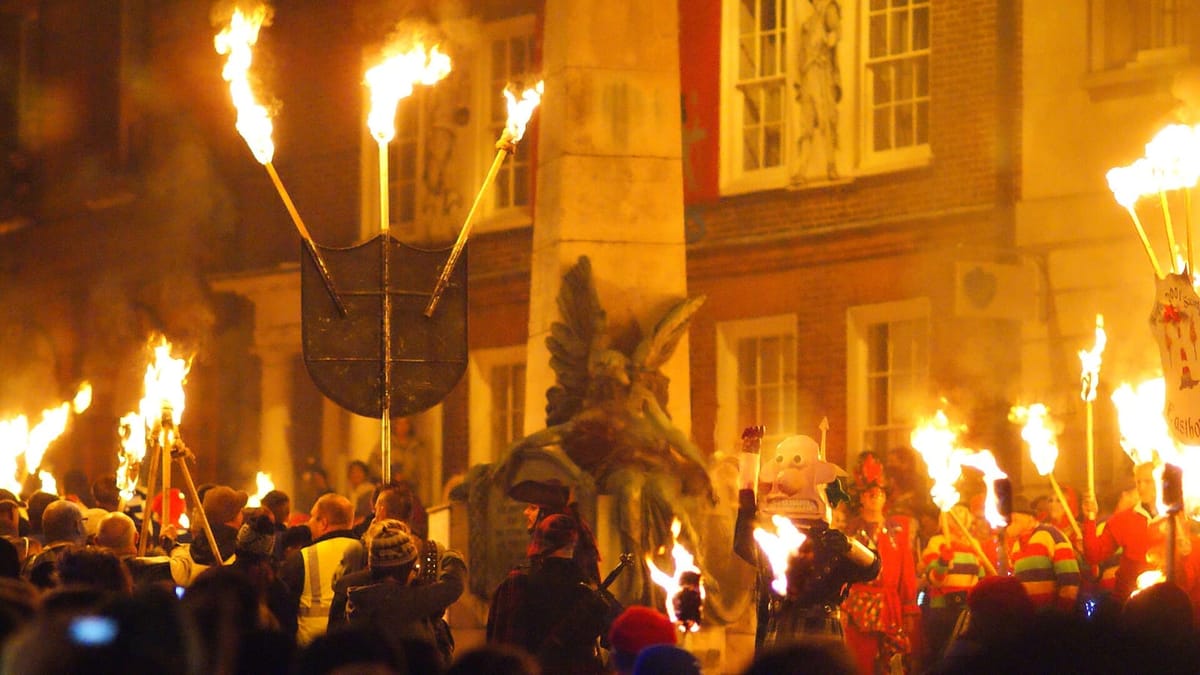
Bonfire Night and Conkers: Britain's Autumn Rituals
From playground conker matches to fire festivals and the fifth of November, how Britain marks the end of the harvest and the start of the dark months.
2026-07-17 · 4 min read
Traditions Around the World
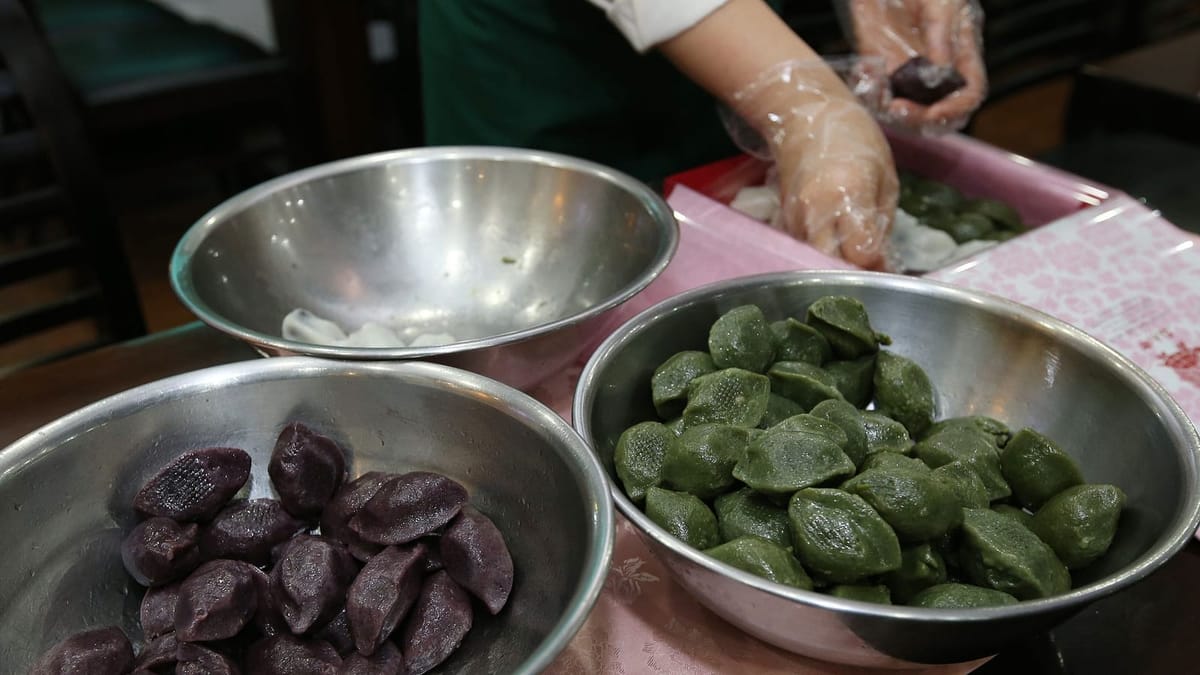
Chuseok: Korea's Autumn Thanksgiving
Chuseok is Korea's biggest holiday: ancestral rites, half-moon rice cakes, and a nationwide trip home timed to the harvest moon.
2026-07-17 · 4 min read
Traditions Around the World
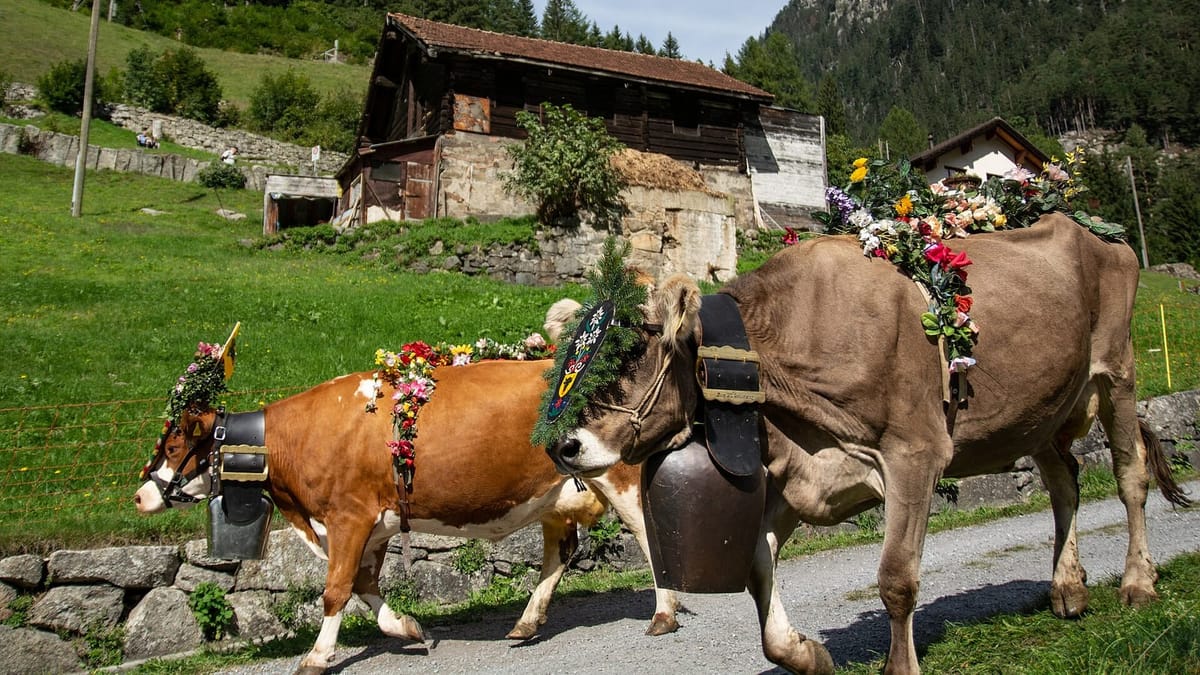
Harvest Wine and Cattle Parades: How the Alps and Europe Do Autumn
From Alpine cattle drives to wine-harvest blessings and Munich's agricultural roots, how Switzerland, Austria, and much of Europe mark the turn to autumn.
2026-07-17 · 5 min read