Holidays & Celebrations
Two Thanksgivings: Why Canada and the U.S. Feast Weeks Apart
By Benjamin Janes · Published
· 4 min read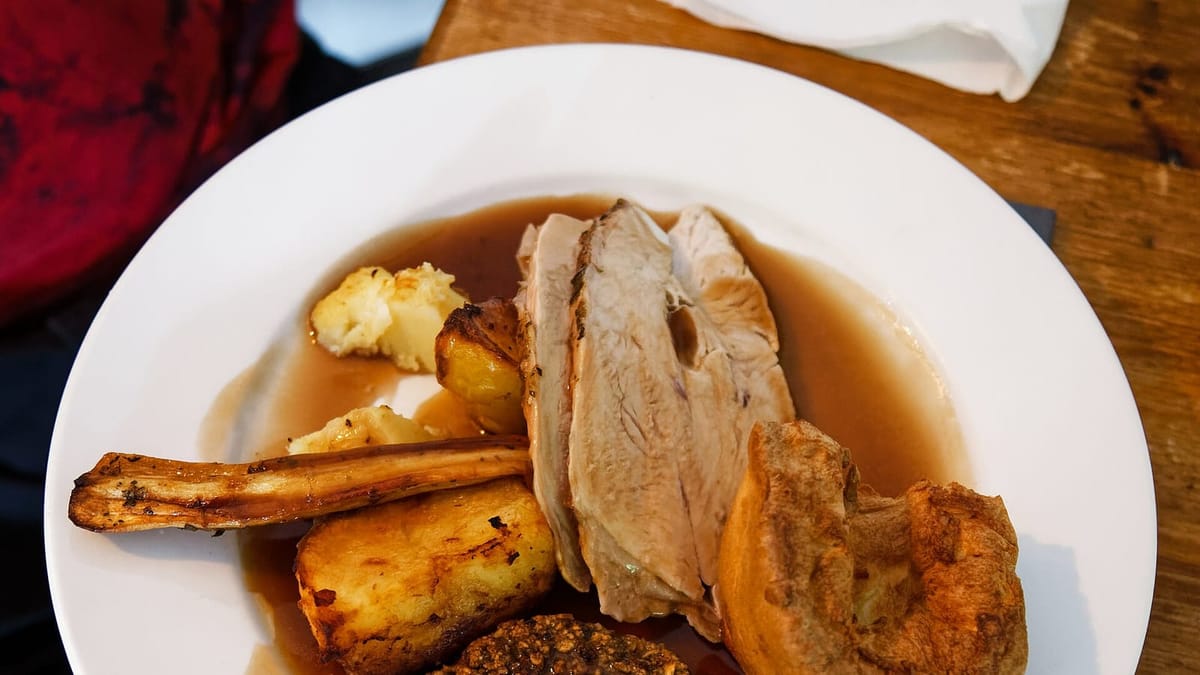
Canada and the United States both celebrate a harvest Thanksgiving, but weeks apart on the calendar. The gap isn't cultural preference. It comes down to geography: two countries at different latitudes finishing two different harvests, formalizing two different holidays a full generation apart.
One instinct, two separate holidays
Giving thanks for a finished harvest is about as old an instinct as agriculture itself, and it shows up independently across dozens of cultures without any of them borrowing from each other. Indigenous nations across North America kept their own harvest ceremonies of thanks for generations before European contact, and settlers arriving from England and France brought their own harvest-home customs with them. Canada and the United States each built a national holiday out of that shared instinct, but the two countries formalized theirs decades apart, for reasons that have more to do with farming calendars and political history than with any real difference in gratitude.
Why Canada's harvest wraps up first
Canada's major agricultural regions sit farther north than most of the continental United States, and a shorter growing season means an earlier finish. Frost reaches the fields around Ontario — Algonquin & Muskoka and Quebec well before it reaches most American farmland, so the harvest that Canadian Thanksgiving celebrates is typically complete earlier in the fall than the one the American holiday marks. Thanksgiving in Canada had been observed on scattered, inconsistent dates for generations, tracing back at least to a thanksgiving service the English explorer Martin Frobisher held with his crew in the Canadian Arctic in the 1570s, long before any formal holiday existed. The holiday didn't even keep a stable identity through the following centuries: starting in the early 1920s, Canada folded Thanksgiving into a single combined observance with Armistice Day each November, only splitting the two back into separate holidays about a decade later. Parliament didn't fix a permanent, standalone date until 1957, when it settled on the second Monday in October, chosen in part because it also lines up with the American Columbus Day weekend, giving the holiday a stable long weekend rather than a date that could fall on any day of the week.
America's slower road to a fixed date
The story most Americans learn starts with a 1621 harvest feast shared between Plymouth colonists and the Wampanoag, a one-off diplomatic and harvest gathering, not the founding of an annual tradition. George Washington issued the first presidential thanksgiving proclamation in 1789, but it set no precedent for a recurring holiday, and decades sometimes passed without any president issuing one at all. For the better part of two centuries afterward, American thanksgiving observances were occasional and local, proclaimed by individual governors or presidents whenever they saw fit rather than fixed to a recurring date. Abraham Lincoln changed that in the middle of the Civil War, proclaiming a national day of thanksgiving meant to be observed annually, and for decades afterward it settled on the last Thursday of November by custom. That custom got a jolt in the 1930s when Franklin Roosevelt, hoping to extend the Christmas shopping season during the Depression, moved the date up a week in some years, a shift critics dismissively nicknamed "Franksgiving." Congress settled the confusion for good by fixing the American holiday to the fourth Thursday of November, where it has stayed since.
A harvest ceremony older than either flag
It's worth saying clearly that harvest thanksgiving did not begin with either national holiday. The Wampanoag and many other Indigenous nations held their own ceremonies of thanks tied to the harvest long before Plymouth existed, and those traditions continued on their own terms after European settlement rather than originating from it. Even the 1621 gathering itself was more complicated than the classroom version: Tisquantum, the Patuxet man who helped the colonists survive their first year and interpreted at the meal, had earlier been captured and taken to Europe as an enslaved person before finding his way back to a homeland devastated by disease introduced by earlier European contact. Some Wampanoag descendants and other Indigenous communities today mark the same weekend the American holiday falls on as a National Day of Mourning instead, a reminder that the Plymouth story taught in most American classrooms is a settler account of a single meal, not the full history of harvest gratitude on this continent.
What the leaves look like at each table
Because the two holidays land weeks apart, they arrive at very different points in the fall foliage calendar. Canadian Thanksgiving usually lands with color still holding across much of eastern Canada; September 4–September 24, 2026 (forecast) gives a sense of how often that weekend catches the maples near their best. By the time the American holiday arrives a full six weeks later, most of the country north of the Southeast has already dropped its leaves, including Vermont, where the brilliant color the state is known for is typically long finished and the hillsides have gone bare well before anyone sits down to a plate of turkey.
Same gratitude, different math
Neither country copied the other's date, and neither is more "correct" than the other. Canada's holiday reflects a shorter growing season and an earlier harvest; America's reflects a slower, more politically tangled path from scattered local observances to a single fixed Thursday. Both still come down to the same basic gesture: pausing to acknowledge a harvest that, for most of human history in both places, was never something to take for granted. For more on how the rest of the world marks its own version of the same instinct, the autumn holidays hub tours harvest festivals well beyond North America, and the interactive foliage map can show you exactly what color looks like on either Thanksgiving table this year.
Frequently asked
- Why is Canadian Thanksgiving earlier than American Thanksgiving?
- Canada's main growing regions sit farther north, with shorter growing seasons and earlier frosts, so the harvest the holiday celebrates finishes earlier in the year. Canada fixed its holiday to the second Monday in October, while the United States settled on the fourth Thursday in November, a gap of about six weeks.
- Did Thanksgiving start with the Pilgrims?
- The 1621 harvest gathering between Plymouth colonists and the Wampanoag is the origin story most Americans learn, but it was a one-time event, not the start of an annual holiday. Regular observance came much later, and Indigenous nations across the continent held their own harvest ceremonies of thanks long before European contact.
- Who made American Thanksgiving an annual holiday?
- Abraham Lincoln proclaimed a national day of thanksgiving during the Civil War, intended to be observed every year. The date shifted slightly under Franklin Roosevelt in the 1930s before Congress permanently fixed it to the fourth Thursday in November, which is where the holiday has stayed since.
- Does fall foliage look different on the two Thanksgiving weekends?
- Yes. Canadian Thanksgiving often lands while color is still holding across much of eastern Canada. By the time the American holiday arrives roughly six weeks later, most regions outside the Southeast have already dropped their leaves for the year.
Regions in this article
More in Holidays & Celebrations
Holidays & Celebrations
Autumn Holidays Around the World: Harvest, Light, and Remembrance
A tour of the world's autumn holidays and the three things nearly all of them share: bringing in the harvest, lighting up the dark, and remembering the dead.
2026-07-17 · 7 min read
Holidays & Celebrations
Día de los Muertos: Marigolds, Ofrendas, and Remembering Well
Día de los Muertos explained: how Indigenous ancestor veneration and the Catholic calendar combined into a joyful, marigold-scented holiday of remembrance.
2026-07-17 · 4 min read
Holidays & Celebrations
Diwali: Why the Festival of Lights Falls in Autumn
Diwali's festival of lights is timed to the darkest, moonless night of the Hindu month of Kartik, which is why the holiday lands in autumn nearly every year.
2026-07-17 · 4 min read