Photography & Observation
Overcast Is Your Friend: Light and Weather for Foliage Photos
By Benjamin Janes · Published
· 4 min read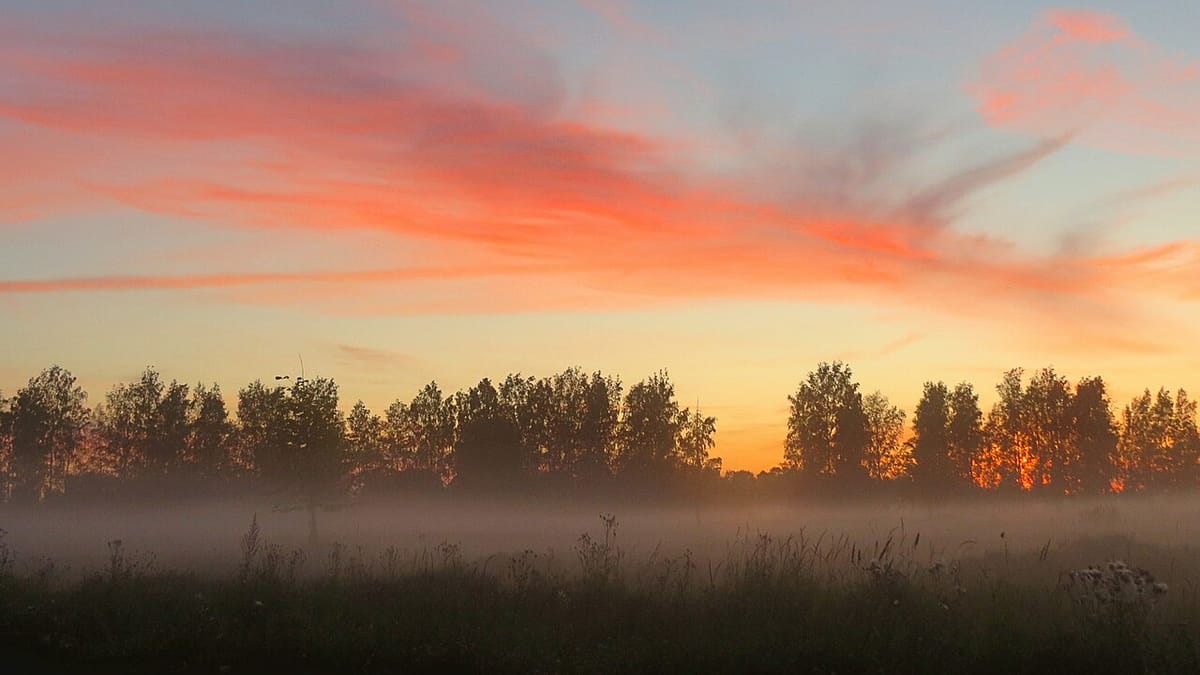
The best foliage photo of a trip rarely happens under a bright blue sky. It happens on the gray, unremarkable-looking day you almost stayed inside for. Here's how to read light and weather so you're pointing your camera at the right moment, not just the prettiest one on paper.
Why a gray sky beats a blue one
Direct sun hits a glossy leaf and bounces straight back at the camera as glare, while the shadow beside that same leaf goes nearly black. A camera has to choose which extreme to expose for, and it usually gets one of them wrong. A solid cloud layer works like a diffuser the size of the sky: light arrives from everywhere at once instead of one direction, glare disappears, and the gap between highlight and shadow shrinks to something a sensor can actually record in full. That's the whole reason an unremarkable-looking overcast afternoon so often outshoots a picture-perfect blue-sky one. For the settings that make the most of that flat light, a polarizer, exposure adjustments, our field guide to fall foliage photography covers the technique side.
Reading a forecast like a photographer, not a hiker
A forecast built for planning a hike and one built for planning a shoot want almost opposite conditions. Comfortable, sunny, and calm is a fine day to be outside and a mediocre day to photograph color, since flat light needs cloud and drama needs contrast, and a calm bluebird sky delivers neither. What matters for photography is cloud cover (thin, high cloud is close to ideal, since it still scatters light without blocking it entirely), humidity and haze (which flattens contrast on distant ridgelines and mutes a layered hillside shot), and wind (which blurs foliage detail past a light breeze). Check those three before you check the temperature. The weather patterns that shape a whole season, not just one afternoon, are their own subject; our guide to the weather behind a great foliage year covers how drought, frost timing, and temperature swings affect the color itself rather than how it photographs.
The morning after a front clears is your best light
A cold front usually drags a batch of hazy, humid air out with it, and the air left behind once it passes is genuinely clean, none of the haze that mutes distant color on a typical warm afternoon. That combination, clear post-front air plus a low morning sun, is close to the best possible setup for backlighting a stand of maples or shooting into the light across a ridge, since nothing is hanging in the air to scatter and soften the beam. If you only have one morning to plan around during a trip through New Hampshire, the first clear morning after a stretch of unsettled weather usually beats a random sunny day picked at the start of the week.
Fog needs three things overnight, not just cold
Fog isn't random, and you can often see it coming the evening before if you know what to look for. It needs a clear sky, so heat can radiate straight up and out without a cloud layer trapping it back down. It needs calm air, since any real wind mixes the cooling ground layer with the warmer air above it and the fog never forms. And it needs enough humidity already sitting in that air to condense once the temperature drops far enough, which is why fog shows up more reliably near water and in low valleys than on an exposed, dry ridge. Check the evening forecast for all three, clear, calm, humid, and a foggy dawn along a river valley in Maine becomes a reasonable bet rather than a lucky accident.
The stretch after rain, before the leaves start falling
Rain does something a lot of photographers overlook once the drops actually stop: it deepens color across the board without any editing. Wet bark goes nearly black and lets its texture show clean, wet stone along a stream reads darker and richer, and a passing front usually scrubs the haze out of the air the same way a clearing morning does. Staying overcast during and right after rain also means you keep that soft, even light instead of trading it for glare the moment the sun breaks through.
There's a real cost to weigh against that gain, though. Wind that arrives with a storm can strip a genuinely peak tree bare overnight, so the same system that hands you rich, saturated light the next morning might also hand you a noticeably thinner canopy to point it at. Check the leaves before you commit to a shot list, not just the light.
Planning a trip you can't control the weather on
Since you can't schedule a cloud layer to show up on the one day you have free, the more useful move is building flexibility into the plan itself instead of betting everything on one forecast. Save wide hillside and reflection shots for whatever afternoon turns out overcast, and hold detail work, single leaves, bark, frost edges, for a harsher, sunnier day when wide shots would look flat anyway.
Reading tomorrow's light tonight
- Clear, calm, humid forecast overnight: fog is likely near water and low valleys by dawn
- Solid cloud layer forecast: a softbox day, good for wide hillsides and reflections
- Bright sun and wind: save it for driving between spots or for detail shots that don't need soft light
- The morning after a front clears: often the cleanest air and best backlight of the whole trip
None of this replaces going outside and looking for yourself. But checking cloud cover and wind the night before, the same way you'd check a trailhead's conditions, turns a photo trip from a hope into something closer to a plan.
Frequently asked
- Is overcast weather really better than sunshine for fall photos?
- For most wide shots, yes. Cloud cover acts like a giant softbox, spreading light evenly and cutting the harsh glare and shadow that direct sun creates on glossy leaves. Save bright sun for backlit or detail shots, where contrast and direct light actually help.
- How can I predict fog before a sunrise shoot?
- Check the evening forecast for three things: a clear sky, calm wind, and enough overnight humidity. All three together, especially near a river, lake, or low valley, make fog likely by dawn. Miss any one of them, especially wind, and fog usually doesn't form.
- Does rain ruin fall foliage for photography?
- Not necessarily. The stretch right after rain often brings richer color, cleaner air, and darker, more saturated bark and stone. The real risk is wind: a storm strong enough to strip a peak tree can leave you with beautiful light and a thinner canopy to point it at.
- What's the best time to shoot backlit leaves?
- A clear morning right after a weather front passes, when the air behind it is unusually clean and free of summer haze. That clean air plus a low morning sun makes for some of the most vivid backlighting of a whole season.
- Should I plan a foliage photo trip around the sunniest forecast?
- Not entirely. A sunny, calm day is comfortable for hiking but often mediocre for photography, since it lacks the soft light overcast provides and the drama a storm can bring. Build flexibility into the plan instead of chasing one ideal-looking forecast.
Regions in this article
More in Photography & Observation

Photography & Observation
Beyond the Postcard: Photographing Autumn's Small Details
The wide hillside shot isn't the only one worth taking. How to photograph single backlit leaves, frost edges, tiny reflections, and the textures beneath the color.
2026-07-17 · 4 min read
Photography & Observation
Editing Fall Foliage Photos: A Simple Workflow
A repeatable fall foliage editing workflow: fix white balance, recover exposure, add contrast, and use vibrance instead of saturation so color stays believable.
2026-07-18 · 6 min read
Photography & Observation
Fall Foliage Photography: A Field Guide
How to photograph fall foliage well: overcast versus golden hour, polarizer technique, backlighting, fog, water reflections, and phone camera tips that work.
2026-07-14 · 5 min read