Autumn in April: The Southern Hemisphere's Secret Season
By Benjamin Janes · Published
· 4 min read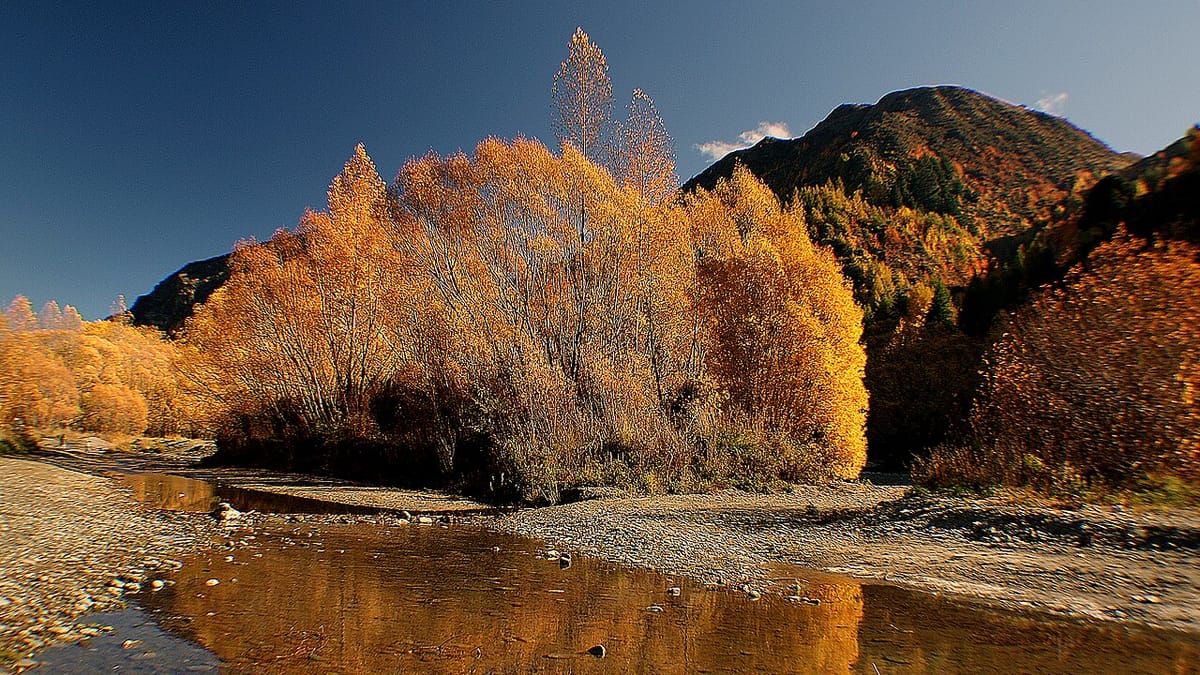
While New England is deep in mud season and Europe's beech forests stand bare, the Southern Hemisphere is having its autumn. From roughly March through June, poplars turn a New Zealand gold-mining town gold, a rare native beech flares orange across a Tasmanian plateau, and Patagonian forests catch fire under fresh snow, all with a fraction of the crowds chasing October color back home.
The world's other autumn
Earth's tilt doesn't care which hemisphere you live in, and the biology described in our piece on the science of fall color (chlorophyll breaking down, carotenoids unmasked, anthocyanins built fresh in the sun) runs on exactly the same rules south of the equator. It's simply offset by six months. That timing quirk means a genuinely dedicated leaf-peeper doesn't have to wait a full year between seasons; there's a second, entirely separate autumn waiting on the other side of the planet. If the underlying question of when fall actually starts interests you, it's less obvious than the calendar makes it look.
Arrowtown's gold rush, replayed every fall
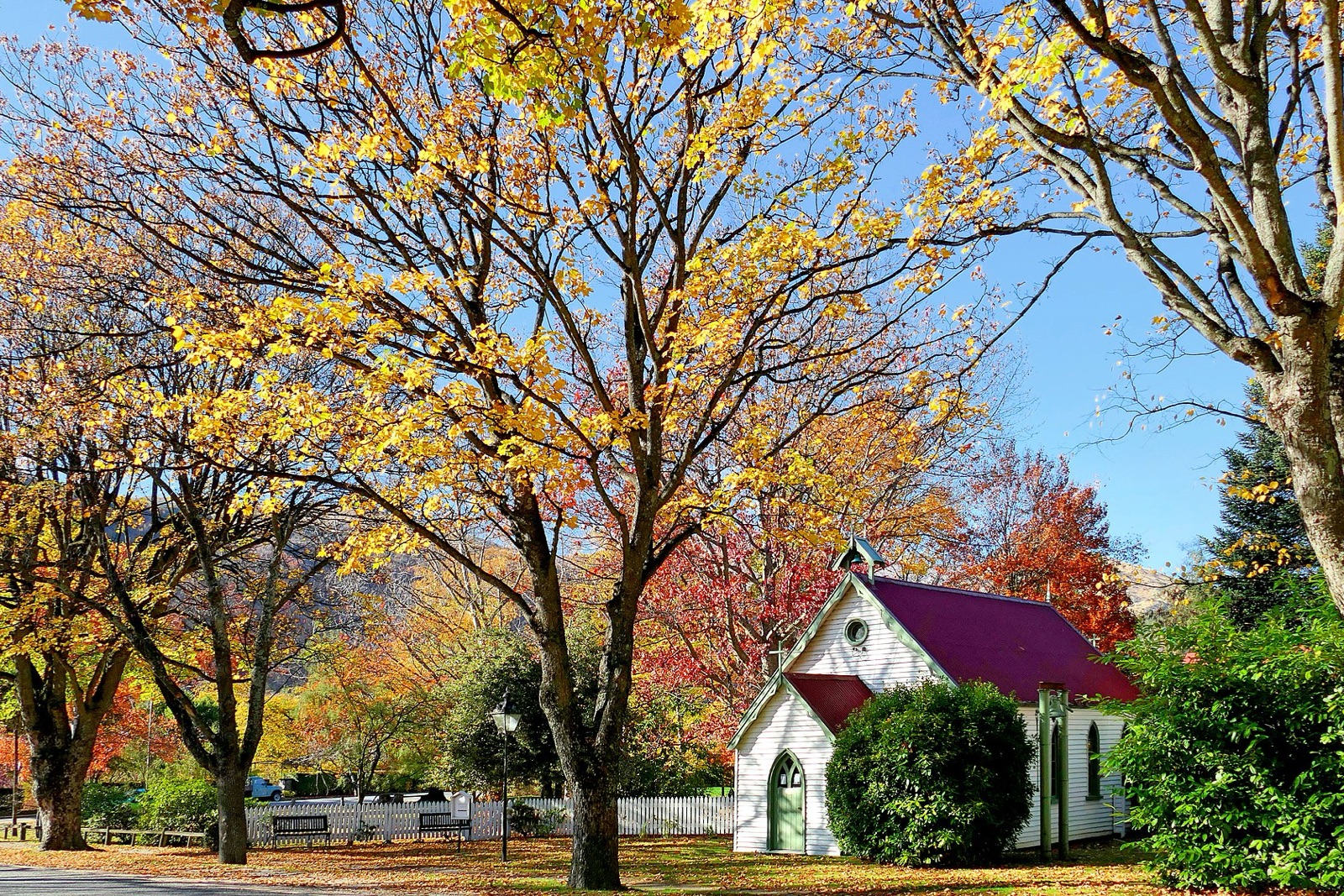
In Central Otago, the color story starts with 19th-century gold miners rather than native forest. They planted poplar and willow along the Arrow and Shotover Rivers for timber and erosion control, and those same imported trees now turn the valley a luminous gold every fall. Arrowtown, a preserved gold-rush town, sits right in the middle of it, its historic main street framed by turning cottonwoods. Central Otago & Queenstown is the window locals watch, and the surrounding Gibbston Valley vineyards add their own reddening color to the drive, with Lake Wanaka's willow-lined shores nearby for still-water reflections.

Chasing the turning of the fagus
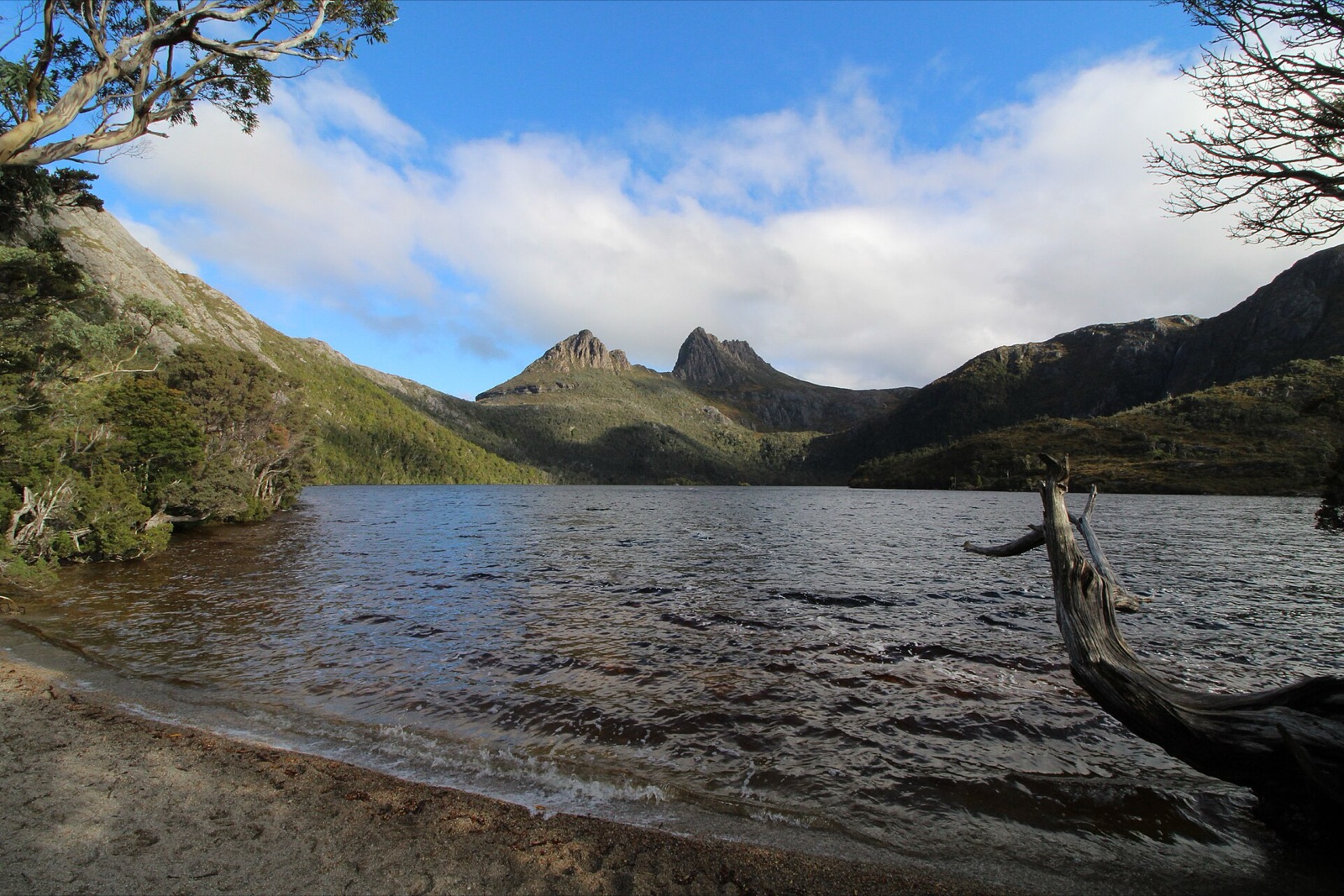
Tasmania holds the strangest and most singular story in this whole season. Tasmania's Central Highlands are home to Nothofagus gunnii (known locally simply as fagus, or tanglefoot), Australia's only cold-deciduous native tree. It's a low, gnarled shrub rather than a forest canopy, scattered across alpine tarns and boulder fields on the Central Plateau, and for a short stretch each autumn its small leaves turn a fierce orange-red before dropping.
That brevity is exactly why it has become a pilgrimage. Hikers time trips into Cradle Mountain and around Lake St Clair loosely around Anzac Day at the end of April, though the exact turn shifts year to year with the weather.

Patagonia's lenga forests catch fire
Cross the Pacific and the palette shifts from gold to red. Around Bariloche and the Argentine Lake District, lenga and coihue (both southern beeches) ring Nahuel Huapi and the Seven Lakes Route in a mix of red and gold, with Bariloche's lake steamers and chocolate shops making a mild, easy base for the season. Bariloche & the Argentine Lakes tends to run a little ahead of the crowds most travelers expect for a fall trip.
Farther south, in Chile's Torres del Paine and Magallanes, the same lenga forests turn a deeper, more saturated red beneath the Paine massif, often with fresh snow already dusting the peaks above burning valley floors: a far more compressed and subantarctic season than Bariloche's milder lake country a thousand kilometers north.
Why nobody's fighting you for a parking spot
None of these four regions see anything close to the tourist volume that descends on New England or the Alps during their respective peak seasons. Part of that is simple awareness: most Northern Hemisphere travelers have never thought to look for fall color in April. Part of it is that these destinations built their tourism identities around other seasons: Queenstown around skiing and adventure sports, Patagonia around summer trekking. Foliage travelers get to piggyback on infrastructure built for someone else's high season, which in practice means easier trail access, more flexible lodging, and overlooks you can actually have to yourself for a few quiet minutes.
How to get two autumns a year
For anyone who plans a whole calendar around chasing color, this is the trick: run the familiar September-to-November season across New England, Québec, or the Alps, then follow the sun south for a second, quieter round from March through June. The instincts carry over directly: the same eye for backlit leaves and still-water reflections from our photography field guide, the same layered packing logic from our fall day hike packing list, and the same appetite for a good scenic drive that shows up in our leaf-peeping road trip guide.
Planning a Southern Hemisphere autumn trip
- Confirm current-season dates for your specific region before booking flights
- Pack for shoulder-season variability: alpine areas like Tasmania swing cold fast
- Book Queenstown or Bariloche lodging early despite thin leaf-season crowds: other high seasons overlap
- Build in flexibility around the fagus and lenga windows, which shift with the weather
- Bring the same layering and camera kit you'd use for a Northern Hemisphere fall trip
Two autumns a year sounds like a novelty until you've stood under a fagus tarn in Tasmania or watched a lenga forest burn red beneath a snow-dusted Paine massif. After that, waiting a full year for the next one starts to feel unnecessary.
Frequently asked
- When is fall foliage season in the Southern Hemisphere?
- Roughly March through June, the mirror image of the North's September-to-November window. Higher, colder country like Tasmania's Central Plateau and the far south of Patagonia turns first; milder lowland regions like New Zealand's Otago valleys color later in the sequence.
- What is the fagus everyone talks about in Tasmania?
- Nothofagus gunnii, a low, shrubby relative of the southern beech and Australia's only winter-deciduous native tree. It's confined to Tasmania's alpine highlands and turns a brief, fiery orange-red each fall before dropping, drawing a small but devoted pilgrimage of hikers and photographers.
- Is Southern Hemisphere fall color as vivid as New England's?
- It's a different palette rather than a lesser one. Expect gold from planted poplar and oak, copper from southern beech relatives, and true red from Patagonia's lenga forests, rather than New England's maple-driven crimson. It's distinctive scenery in its own right, and far less crowded.
- Can I really see fall foliage twice in the same year?
- Yes. Chase peak color across the north from September through November, then follow the season south for a second, quieter round from March through June: same instincts, same gear, opposite hemisphere.
- Do I need to book Southern Hemisphere autumn travel far in advance?
- Less urgently than a Vermont or Kyoto trip in peak season, but gateway towns like Queenstown and Bariloche have other high-season draws (skiing, hiking, wine harvest), so early lodging bookings are still worth it even if the leaf crowds themselves are thin.