Traditions Around the World
Tsukimi: Japan's Autumn Moon-Viewing Tradition
By Benjamin Janes · Published
· 5 min read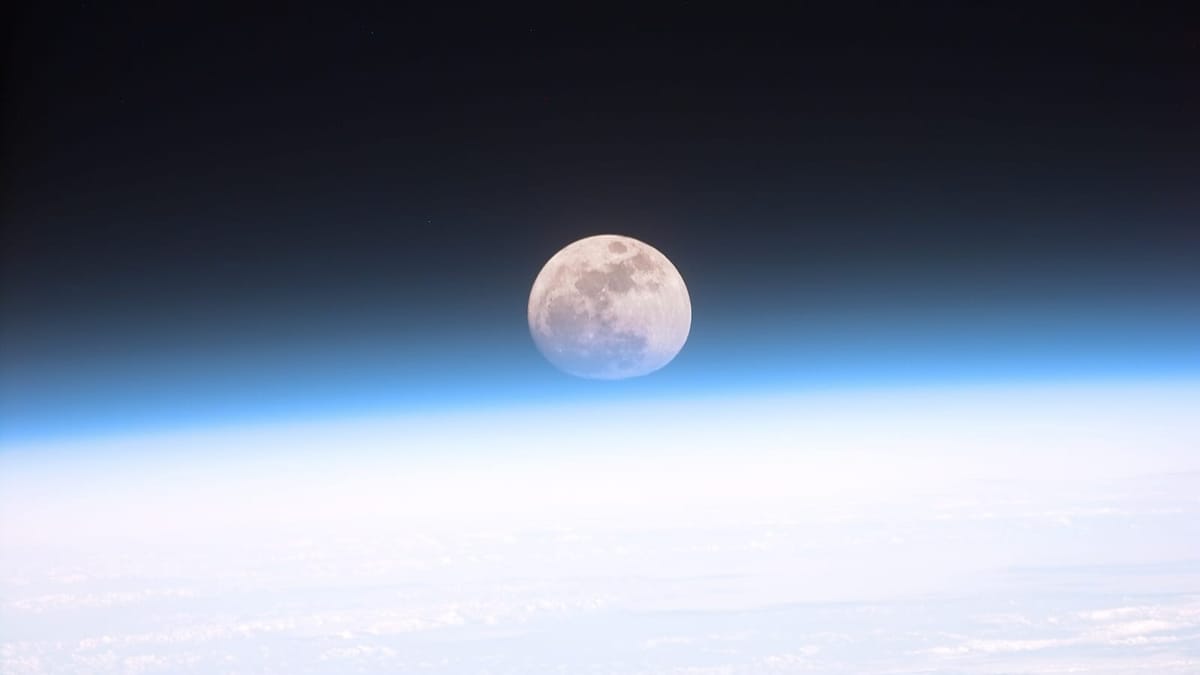
Tsukimi is Japan's autumn custom of setting aside an evening to watch the year's brightest moon rise, marked with rice dumplings, pampas grass, and a quiet kind of attention rather than a parade or a feast. It follows the lunar calendar, not the Western one, so the night moves every year instead of landing on a fixed date.
A night for the moon, not the leaves
If you know Japan's autumn only through its maples, tsukimi is easy to overlook, and easy to confuse with the country's other famous season-watching tradition. Momijigari, leaf hunting, sends people traveling to gardens and mountainsides over weeks as color moves the length of the country. Tsukimi does the opposite. It asks you to stay in one place, usually your own veranda or a nearby garden, and give a single night to a single object in the sky. The moon in question is the year's fullest and brightest, the harvest moon, and the custom treats that fullness as reason enough to stop and look up. Where leaf viewing is a season, moon viewing is an evening.
A moon party borrowed from Tang China
The custom's roots run back to the Heian court, the aristocratic culture that shaped Japan's taste for centuries and borrowed more than a little from Tang dynasty China, including its moon-watching parties. Heian nobles took the practice and gave it a particularly indirect twist: the most refined way to watch the moon wasn't to look straight up but to catch its reflection in a garden pond, a cup of rice wine, or a still pool, then write poetry about the moon glimpsed sideways rather than overhead. Some of that court culture survives almost intact. Boats still go out on Osawa Pond at Daikaku-ji in Kansai — Kyōto & Nara, part of a moon-viewing custom that traces directly back to Heian-period aristocrats floating that same water for the same reason. What arrived as an import from the continent turned, over a few centuries, into something distinctly Japanese. The Mid-Autumn Festival traces the version of the custom that stayed on the mainland, if you want to see how far the two traditions eventually drifted from a shared root.
Dango, pampas grass, and the last of the harvest
The offerings are simple and specific. Tsukimi dango, small round dumplings made from rice flour, get stacked into a pyramid, traditionally fifteen of them for the year's main moon-viewing night, and set out on a plain wooden stand rather than eaten right away. The moon gets to look at them first. Alongside the dango stands a vase of susuki, pampas grass cut and displayed indoors for the one night, standing in for the rice stalks not yet cut from the fields and doubling, in older belief, as protection against misfortune. Before rice dumplings became the standard offering, the older version of the custom leaned on taro and other root vegetables just coming out of the ground, which is why one of the season's two moon-viewing nights still carries a nickname built around potatoes rather than moon or rice. Chestnuts, edamame, and persimmons round out a table that looks, at a glance, more like a harvest inventory than a party spread, because that's essentially what it is.
A traditional tsukimi display
- Tsukimi dango stacked in a pyramid on a wooden stand
- A vase of susuki (pampas grass)
- Taro, chestnuts, or other seasonal harvest offerings
- A clear view of the moon, from a veranda, window, or garden
A night the moon sets, not the calendar
Tsukimi doesn't fall on a fixed Western date, and it isn't supposed to. The main moon-viewing night lands on the fifteenth night of the eighth month of the old lunar calendar, whatever full moon that turns out to be in a given year, and a second, smaller viewing follows about a month later, on the lunar calendar's thirteenth night of the ninth month, a purely Japanese addition with no real equivalent on the Chinese side of the tradition. Because lunar months drift against the solar calendar most of the world now uses, the night keeps shifting from year to year instead of settling into a predictable spot on the wall calendar. The moon decides. Everyone else just watches for it.
From palace verandas to convenience store shelves
Most tsukimi today happens on a much smaller scale than a Heian boating party. Families set dango and susuki on a windowsill or veranda, sometimes with nothing more elaborate than an apartment balcony and a clear line to the sky. Shrines and gardens hold their own public viewings, and Hokkaidō, first in the country to feel autumn's cold settle in, often gets the clearest, sharpest skies for it, the same crisp northern air that later carries the season's earliest turning leaves. The custom has left its mark well outside the garden, too. Convenience stores stock tsukimi-branded sweets and dango sets every fall, and fast-food chains run seasonal tsukimi menu items built around a fried egg standing in for the full moon, a piece of food marketing so consistent it has become its own small seasonal ritual, running on a schedule closer to the solar calendar than the moon it's named for. Even the moon's own markings get a homegrown reading here: Japan traditionally sees a rabbit pounding rice into mochi in the moon's shadows, not the man in the moon most Western viewers were taught to look for.
Two seasons, one country
Moon and leaves don't run on the same clock, even though both belong to the same stretch of the Japanese year. Kyoto's tsukimi night can fall weeks before its maples turn, and this year's forecast peak color window there, November 15–December 2 in a typical year, gives a sense of just how much later the leaves arrive after the moon has already had its evening. If you're tracking that gap yourself, or planning a trip around either custom, our interactive foliage map follows color as it moves across Japan and dozens of other regions worldwide, a different kind of season-watching than tsukimi but built on the same instinct: something in the sky, or on the hillside, is worth stopping to look at.
Frequently asked
- What is tsukimi?
- Tsukimi, meaning moon viewing, is Japan's autumn tradition of setting aside an evening to watch the year's brightest moon, marked with a display of rice dumplings called tsukimi dango and a vase of pampas grass. It's a quieter, more contemplative custom than momijigari, Japan's autumn leaf-viewing tradition, built around a single night rather than weeks of travel.
- When is tsukimi celebrated?
- Tsukimi follows Japan's old lunar calendar rather than the Western calendar, landing on the full moon of the eighth lunar month, with a smaller second viewing about a month later on the calendar's thirteenth night. Because lunar and solar months don't align, that night shifts from year to year rather than falling on a fixed date.
- What is tsukimi dango made of?
- Tsukimi dango are small, round dumplings made from rice flour, boiled or steamed, then stacked into a pyramid, traditionally fifteen of them for the main moon-viewing night. They're set out on a plain wooden stand as an offering to the moon before anyone eats them.
- Why is pampas grass used in tsukimi?
- Susuki, or pampas grass, is displayed for the night to stand in for rice stalks that haven't yet been harvested from the fields, and older belief held that it warded off misfortune. It's one of the few tsukimi offerings that isn't food, alongside dango, taro, chestnuts, and other seasonal produce.
- Is tsukimi the same as the Chinese Mid-Autumn Festival?
- They share a common root in old Chinese moon-worship traditions that Heian-era Japan adapted centuries ago, but they've grown into distinct customs. The Mid-Autumn Festival centers on mooncakes, lanterns, and family reunion travel, while tsukimi keeps to a quieter, often solitary evening spent simply watching the moon.
Regions in this article
More in Traditions Around the World
Traditions Around the World
Bonfire Night and Conkers: Britain's Autumn Rituals
From playground conker matches to fire festivals and the fifth of November, how Britain marks the end of the harvest and the start of the dark months.
2026-07-17 · 4 min read
Traditions Around the World
Chuseok: Korea's Autumn Thanksgiving
Chuseok is Korea's biggest holiday: ancestral rites, half-moon rice cakes, and a nationwide trip home timed to the harvest moon.
2026-07-17 · 4 min read

Traditions Around the World
Harvest Festivals Through History: From Lammas to the County Fair
How England's Lammas bread and corn dollies evolved into Harvest Home suppers and, eventually, the modern American county fair.
2026-07-17 · 4 min read