Holidays & Celebrations
The Mid-Autumn Festival: Mooncakes, Lanterns, and the Harvest Moon
By Benjamin Janes · Published
· 5 min read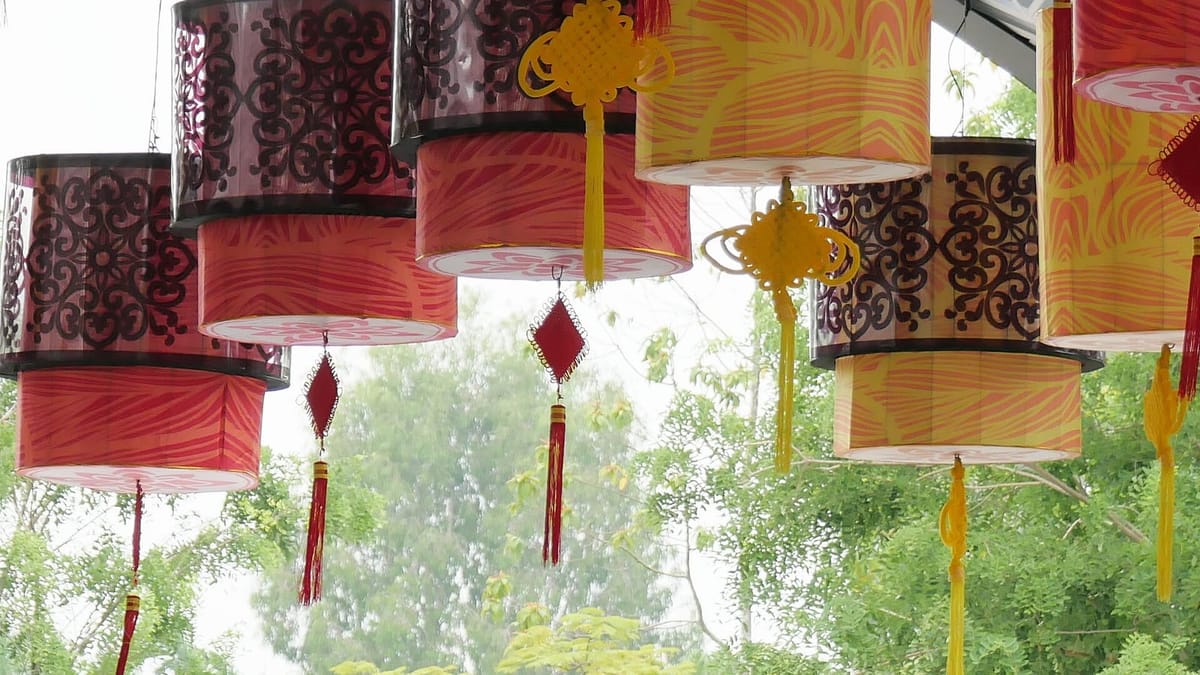
Once a year, families across China, Vietnam, and the Chinese diaspora gather under the year's brightest full moon to share a dense, sweet pastry called a mooncake. The Mid-Autumn Festival is a lunar harvest holiday built entirely around a single night's moon, and its date moves every year because the moon's calendar isn't ours.
A festival timed to the moon, not the sun
The Mid-Autumn Festival falls on the night of the full moon that lands in the eighth month of the traditional Chinese lunar calendar, the moon believed to be the roundest and brightest of the entire year. Because a lunar month doesn't line up neatly with a solar one, that night shifts against the Western calendar from one year to the next, landing anywhere from the middle of September to the middle of October depending on how the two calendars drift against each other. There's no fixed Western date to memorize, and that's by design: the holiday was built around watching the actual moon, not marking a square on a grid.
Moon worship old enough to predate the empire
Chinese moon veneration goes back further than the festival itself, with ceremonial offerings to the moon recorded from the Shang and Zhou dynasties, well over two thousand years before the holiday took the form celebrated today. Ancient ritual texts describe emperors paying formal court to the sun in spring and to the moon in autumn, a paired ceremony that treated the two as complementary halves of a single cosmic accounting, one marking the year's growing light and the other its retreat. The Mid-Autumn Festival as a distinct, widely observed holiday celebrated well beyond the palace coalesced later, generally credited to the Tang dynasty, and picked up a body of mythology along the way. The best known figure is Chang'e, a woman who, in the most common version of her story, swallowed an elixir of immortality and drifted up to live alone on the moon, where she's said to remain still, sometimes pictured with a jade rabbit for company. Her story gives the holiday its emotional register: even a familiar, comforting moon carries a note of separation and longing for people far from home, exactly the feeling the holiday answers with a shared meal.
Mooncakes: dense, symbolic, and occasionally political
The pastry at the center of the holiday is dense and sweet, traditionally filled with lotus seed or red bean paste and often centered on a salted duck egg yolk meant to echo the full moon itself. Families give mooncakes as gifts in the weeks leading up to the holiday, and regional versions vary widely, from the flaky, layered pastries associated with Suzhou to the firm, stamped Cantonese style most familiar outside China. One legend claims that rebels plotting an uprising against Mongol rule during the Yuan dynasty hid coded messages inside mooncakes, using the holiday's gift-giving tradition as cover for coordinating revolt. Historians treat the story with some skepticism, but it has stuck around for centuries regardless, a small reminder that even a gentle, family-centered pastry can double as folklore about resistance. Modern mooncake gifting has drifted well past the traditional recipe: bakeries and hotels now compete each year with ice cream mooncakes, custard and matcha versions, and elaborately boxed sets sold as corporate gifts, a commercial layer stacked on top of a tradition that, at its core, is still just one family handing a pastry to another.
Lanterns, rooftops, and a night built for looking up
Where mooncakes anchor the meal, lanterns anchor the evening's activity: paper lanterns lit and carried through the streets, floated on water, or released into the air, especially by children. The festival is sometimes confused with the separate Lantern Festival, which actually closes out the Lunar New Year season months earlier and has its own distinct history; the lanterns of Mid-Autumn are their own tradition, tied specifically to the moon-viewing evening rather than to the new year. Families gather outdoors after dark, on rooftops, in courtyards, in parks, specifically to look at the moon together, a practice with its own long literary history: the Song dynasty poet Su Dongpo wrote one of the most quoted Mid-Autumn poems while separated from his brother, turning the shared moon into a stand-in for two people who couldn't be in the same place.
A family holiday that empties whole cities
The pull toward home is one of the festival's defining features. Much like the American Thanksgiving travel rush, Mid-Autumn triggers a genuine migration, as people working in distant cities travel back to spend the holiday with family. The reunion table carries its own regional dishes well beyond the mooncake: pomelo for its round shape and its name's happy pun on the word for "to have," taro for prosperity, and in Shanghai and the surrounding river country, hairy crab, in season at exactly this point in the year and traditionally reserved for the holiday meal. Korea keeps its own closely related autumn harvest holiday on a nearly identical lunar schedule, called Chuseok, complete with its own version of the same homeward migration; the full story of that holiday, its ancestral rites, and its own reunion foods lives in Chuseok: Korea's autumn thanksgiving. Vietnam keeps a livelier, more child-centered version called Tết Trung Thu, built around lantern parades and lion dances, while Japan's parallel tradition, Tsukimi, skips the mooncake almost entirely in favor of small rice dumplings and a quieter, more contemplative evening.
Where the moon and the maples share a season
Beijing Hills — Fragrant Hills is one of the more striking places to watch the two threads of the season meet: the hillside maple viewing the area is known for often overlaps with the Mid-Autumn Festival's own calendar window, so travelers can find both red leaves and lantern-lit courtyards on the same trip. South Korea's countryside sees a similar overlap during Chuseok, ancestral rites and mountain foliage sharing the same weeks. If you're trying to time either holiday against the actual color on the ground, the interactive foliage map tracks both regions, and the world tour of autumn holidays sets the Mid-Autumn Festival alongside the season's other lunar and harvest celebrations.
Frequently asked
- What is the Mid-Autumn Festival?
- It's an East Asian harvest holiday centered on the year's fullest, brightest moon, celebrated with mooncakes, lanterns, and family reunion gatherings. Rooted in ancient Chinese moon worship, it's observed across China, Vietnam, and Chinese communities worldwide, each with its own regional variations on the same lunar night.
- Why does the date of the Mid-Autumn Festival change every year?
- The holiday follows the traditional Chinese lunar calendar rather than the solar calendar most of the world uses, landing on the night of the full moon in the eighth lunar month. Because lunar and solar months don't align evenly, that night drifts by weeks against the Western calendar from one year to the next.
- What is a mooncake?
- A mooncake is a dense, sweet pastry traditionally filled with lotus seed or red bean paste, often centered on a salted duck egg yolk meant to echo the moon. Families exchange them as gifts in the weeks before the festival, with regional styles ranging from flaky Suzhou pastries to firm, stamped Cantonese versions.
- Is the Mid-Autumn Festival the same as Chuseok?
- They're closely related but distinct holidays. Both fall on a similar lunar schedule and both center on family reunion and ancestral gratitude, but Chuseok is Korea's own holiday with its own foods, rituals, and history, not a regional variant of the Chinese festival.
Regions in this article
More in Holidays & Celebrations
Holidays & Celebrations
Autumn Holidays Around the World: Harvest, Light, and Remembrance
A tour of the world's autumn holidays and the three things nearly all of them share: bringing in the harvest, lighting up the dark, and remembering the dead.
2026-07-17 · 7 min read
Holidays & Celebrations
Día de los Muertos: Marigolds, Ofrendas, and Remembering Well
Día de los Muertos explained: how Indigenous ancestor veneration and the Catholic calendar combined into a joyful, marigold-scented holiday of remembrance.
2026-07-17 · 4 min read
Holidays & Celebrations
Diwali: Why the Festival of Lights Falls in Autumn
Diwali's festival of lights is timed to the darkest, moonless night of the Hindu month of Kartik, which is why the holiday lands in autumn nearly every year.
2026-07-17 · 4 min read