When do the leaves change in Bariloche?
In April and May the southern beech forests around Bariloche turn the Andean lake district red and amber — the Southern Hemisphere's headline autumn, framed by volcanoes, chocolate shops, and the Seven Lakes Road.
Peak: April 15–May 15
Climatological window from published records. The weather model doesn’t cover Argentina yet, so this is the long-run normal rather than a season-specific forecast.
Fall activities in Bariloche
National park
Basalt channels carved by the Petrohué River run turquoise below Osorno Volcano, crossed by a short boardwalk loop through coigüe and lenga…
in Chilean Lake District
Where locals go
Cerro Campanario
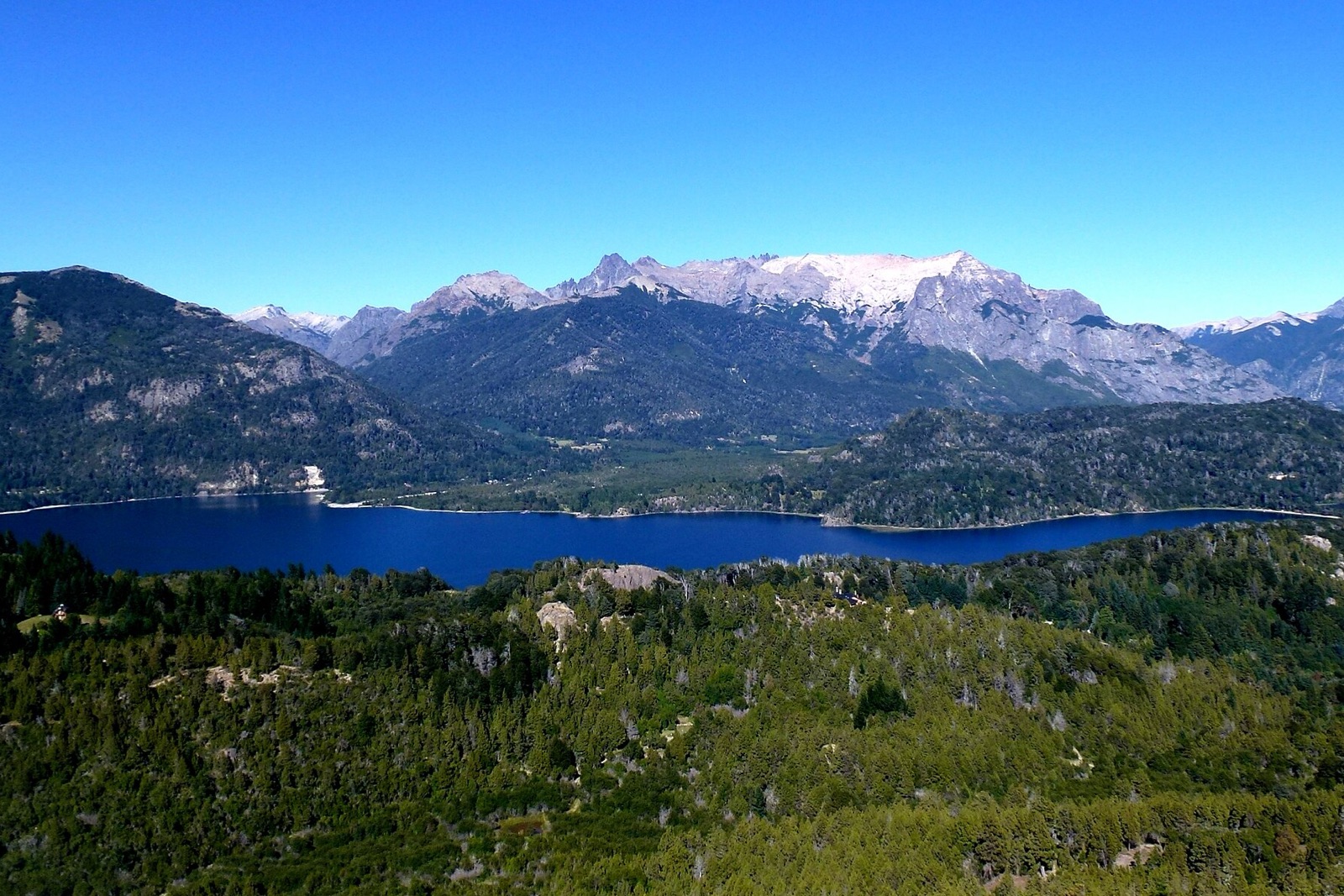
ViewpointA chairlift outside Bariloche climbs to a 360-degree panorama once ranked by National Geographic among the world's best views: lakes and…
Bariloche in Autumn: Argentina's Lake District City Guide
Bariloche does autumn in April and May, when the lenga and ñire beech forests above Nahuel Huapi turn red and gold while the Northern Hemisphere is planting tomatoes. This guide covers the town side of the season: viewpoints, chocolate and beer, where to stay, and how to shape two or three days.
The season as the town lives it
Autumn is Bariloche's exhale. The summer trekkers have flown home, the ski crowds don't arrive until winter, and for a few weeks the town belongs to porteños on long weekends, students from the university, and the small number of foreign travelers who have figured out that the Southern Hemisphere runs a full-scale fall season while nobody is watching. Locals treat it as café weather: mornings start slowly, the lakefront fills with dog walkers once the frost burns off, and the correct response to a cold gray afternoon is understood by everyone to be hot chocolate. The color itself works from the top down. Ridgelines above town turn first while the shoreline stays green, and over the following weeks the red-orange band slides downhill toward the water, which means the season reads differently every few days even from the same bench on the Centro Cívico lakefront. Your own timing anchor is April 15–May 15 in a typical year, and the wider seasonal logic, why April here behaves like October there, is covered in the site's Southern Hemisphere autumn guide if this is your first trip on the flipped calendar.
Circuito Chico: the classic half-day
If you do one thing besides eat chocolate, do the Circuito Chico, the short loop that runs west from town along Avenida Bustillo, rounds the Llao Llao peninsula, and comes back past Colonia Suiza. It is the region's greatest-hits reel in miniature: turning lenga and ñire on the slopes, dark evergreen coihue at the waterline, and the lake changing color with every bend. The essential stops are Cerro Campanario, where a short chairlift ride buys you the panorama of lakes and peninsulas that shows up on every postcard rack in town; Puerto Pañuelo and the grounds around the landmark Llao Llao hotel; Bahía López; and the marked Punto Panorámico, which frames the hotel against the water and the color behind it. You can drive the loop in a rushed hour, but the honest version is a half-day. Autumn is also the best season to do it by bike: rental shops sit near the start of the loop, traffic is thin, and the cold air works in your favor on the climbs. Without a car or a bike, the local bus along Bustillo gets you to Llao Llao and back, and taxis fill the gaps. Time Campanario for late afternoon if you can, when the low sun lights the western shorelines and the water goes metallic.
Cerro Otto and Cerro Catedral: big views without a full hike
Cerro Otto is the town's own balcony. Its cable car rises from the edge of Bariloche to a summit area with a famous revolving café, and the view is the one you want for orientation: the town's full sprawl along the shoreline, Nahuel Huapi spreading west, and the autumn band working down the slopes across the water. Because it is so close to the center, Otto is the viewpoint to grab on a half-clear day when driving farther feels like a gamble. Cerro Catedral, the ski mountain south of town, plays a different role in autumn: before the snow arrives it is a quiet, wide-open viewpoint reached by a short drive or bus ride, with lifts running for sightseers in the pre-season. The full Lake District guide covers Catedral's lift-served hiking in detail; from a town-logistics standpoint, what matters is that both mountains are easy half-days you can slot around weather, and that afternoon light favors Otto while morning light favors the Catedral side of the valley.
Chocolate on Mitre, beer everywhere else
Bariloche's center is organized, socially speaking, around Calle Mitre and its chocolate houses: Rapa Nui, Mamuschka, and a dozen others, several with visible production behind glass and all of them selling the submarino, a bar of chocolate you drown in hot milk yourself. In autumn this stops being a tourist ritual and becomes the town's actual circulatory system, and around Easter the season peaks with a chocolate festival that takes over the street. The other half of the local beverage economy is cerveza artesanal. Bariloche and the valleys south of it sit in Argentina's hop country, and the brewpub density is remarkable: Manush and Blest are reliable names in and near the center, Berlina pours out toward Llao Llao, and Cervecería Patagonia's flagship taproom on the Circuito Chico pairs its pints with one of the best casual lake views in the area. A cold hike followed by a wood-fired stove, a pint, and a plate of picada is the local autumn formula, and it is not a formula that needs improving.
What to eat when the temperature drops
The food leans alpine and it leans hard, which is exactly what the season calls for. Cordero patagónico, lamb slow-roasted over coals, is the regional centerpiece; trucha, lake and river trout, shows up smoked, grilled, and in pasta; and the Swiss heritage surfaces as fondue, raclette, and goulash in the older restaurants. Smoked goods generally, ciervo and wild boar included, are a Bariloche specialty worth building a picada around. Out on the Circuito Chico, Colonia Suiza does a traditional curanto, a meal cooked in an earth oven under hot stones, on set days of the week; check the current schedule before planning lunch around it, because it is worth planning lunch around. Reservations that are impossible in ski season are walk-ins in April.
Where to stay: Centro or the kilometers
Addresses west of town are given as kilometer marks along Avenida Bustillo, and the choice of kilometer shapes your trip. Staying in the Centro means walking to Mitre, the lakefront, and the bus stops, with everything reachable after dark. Staying out between the town and Llao Llao trades that convenience for quiet shoreline, forest at the door, and sunrise over the lake from bed; the Llao Llao end puts you at the trailheads and the prettiest stretch of the loop but makes every dinner a drive. Autumn softens the trade-off, because availability is wide open and rates drop between the summer and ski peaks, so the lake-view rooms that are unbookable in January are suddenly reasonable. If photography is a priority, sleep west; if food and ease are the priority, sleep central and ride the bus.
The Seven Lakes Road and the far shore
The Ruta de los Siete Lagos north toward San Martín de los Andes is the region's marquee drive, and it deserves the full day the region guide gives it rather than a squeezed afternoon; timing for the drive's forests runs with Bariloche & the Argentine Lakes. From the city-planning side, know two things. First, autumn daylight is short, so leave early and treat the return leg as part of the plan, not an afterthought. Second, Bariloche is also a border town in practice: the crossing toward the Chilean Lake District puts volcano-backed beech forests on the same calendar within a day's travel, which makes a two-country autumn loop genuinely practical from this one base.
How it compares with Patagonia farther south
Bariloche is the gentle end of Patagonian autumn. Farther south, around El Chaltén, the lenga turns earlier and faster, a shorter and more dramatic window under Fitz Roy with services already winding down for winter. At the continent's end, Tierra del Fuego runs the earliest and rawest version of the season, spectacular and weather-beaten in equal measure. Bariloche trades that intensity for length and comfort: a longer color window, a real town underneath it, and infrastructure that does not shut down when the frost arrives. If you have one southern autumn trip in you and you want trekking drama above all, go south; if you want the color with cafés, viewpoints, and a bed you can change plans from, this is the base. The only real rival for that combination sits across the Pacific in Queenstown, the other southern flagship, where the color comes from settler-planted poplars instead of native beech and the drink of the season is pinot noir instead of hot chocolate.
Two days or three, shaped honestly
With two days: spend the first on the Circuito Chico at bike or slow-car pace, with Campanario in the late afternoon, and end at a brewpub on the way back into town. Spend the second morning on Cerro Otto or a short lenga-forest walk, then give the afternoon to Mitre, the Centro Cívico lakefront, and an unhurried dinner. With three, insert the Seven Lakes Road as the middle day, when you will be oriented enough to use the light well and tired enough to appreciate a day mostly behind the wheel. Rain-day swaps are built in: chocolate houses, the brewery circuit, and the civic-center museums absorb a wet afternoon without any sense of loss, and half-clear days are exactly what Otto is for.
Photography and the autumn light
The season is kind to photographers who like sleep. Sunrise arrives at a civilized hour and keeps getting later as autumn deepens, so first light over Nahuel Huapi does not require a headlamp start, and the low sun keeps a warm angle for longer stretches of the day than summer ever offers. Shoot east-facing shoreline in the morning, save Campanario and the western panoramas for late afternoon, and treat calm mornings as reflection sessions, since the lake's famous wind usually builds as the day goes on. Overcast is not a loss here: flat light saturates the reds of the lenga, and drifting cloud against dark evergreen slopes reads better in a frame than a bald blue sky.
Getting there, and the shoulder-season catch
Bariloche's airport has frequent connections to Buenos Aires and other Argentine hubs, with long-distance buses filling in the rest of the map; autumn schedules thin slightly from the summer peak but stay workable. In town, buses along Bustillo, taxis, and remises cover a car-free visit, though drivers should note that fuel and daylight both deserve more planning respect than they get in summer. The catch of the quiet season is that some tour operators, boat excursions, and lakefront restaurants trim hours or close briefly between summer and ski season, so confirm anything that your day depends on rather than assuming January's schedule. That is the entire price of having the place at its best, and it is a low one.
Bariloche autumn town kit
- Waterproof shell for fast-changing lake weather
- Warm layer for the first chairlift of the morning
- Sunglasses for low-angle light off the water
- Cash for buses, curanto, and small chocolate shops
- Daypack that fits a rain layer and a chocolate bar
Things to do in fall in Bariloche
Frequently asked
- When do leaves peak in Bariloche?
- In a typical year, Bariloche peaks around April 15–May 15. A computed forecast for Bariloche arrives when the model's coverage expands beyond the US.
- When is fall foliage season in Bariloche?
- Bariloche colors during autumn (March to June), and in a typical year the window lands around April 15–May 15. That comes from https://www.argentina.gob.ar/parquesnacionales/nahuelhuapi rather than the weather model, which does not sample this city yet.
- How many days do you need in Bariloche for autumn color?
- Two full days covers the town, the Circuito Chico, and one viewpoint mountain comfortably. A third day opens up the Seven Lakes Road or a proper lenga-forest hike, and most visitors who plan two days wish they had planned three.
- Do you need a rental car in Bariloche?
- Not for the town side of the trip. Local buses run the length of Avenida Bustillo to Llao Llao, taxis are affordable, and the Circuito Chico works well by bike. A car earns its cost only when you add the Seven Lakes Road or want full flexibility at dawn and dusk.
- How cold is Bariloche in April and May?
- Expect crisp mornings, mild afternoons early in the season, and a steady slide toward genuinely cold, wetter weather by late May. Frost at night is normal, and rain becomes more frequent as autumn deepens, so pack a waterproof layer and warm evening clothes.
- Where is the best easy view of the autumn color near town?
- Cerro Campanario, on the Circuito Chico, delivers the classic panorama of lakes, peninsulas, and turning forest for the price of a short chairlift ride. Cerro Otto's cable car is the closest option to the town center, with views straight down over Bariloche and Nahuel Huapi.
- Is autumn a good time for Bariloche's chocolate shops and breweries?
- It is arguably the best time. The chocolate houses and brewpubs stay fully open between the summer and ski crowds, tables are easy to get, and the town's chocolate festival lands around Easter, right as the color is building on the mountainsides.