The Best Fall Hikes in New England
By Benjamin Janes · Published
· 6 min read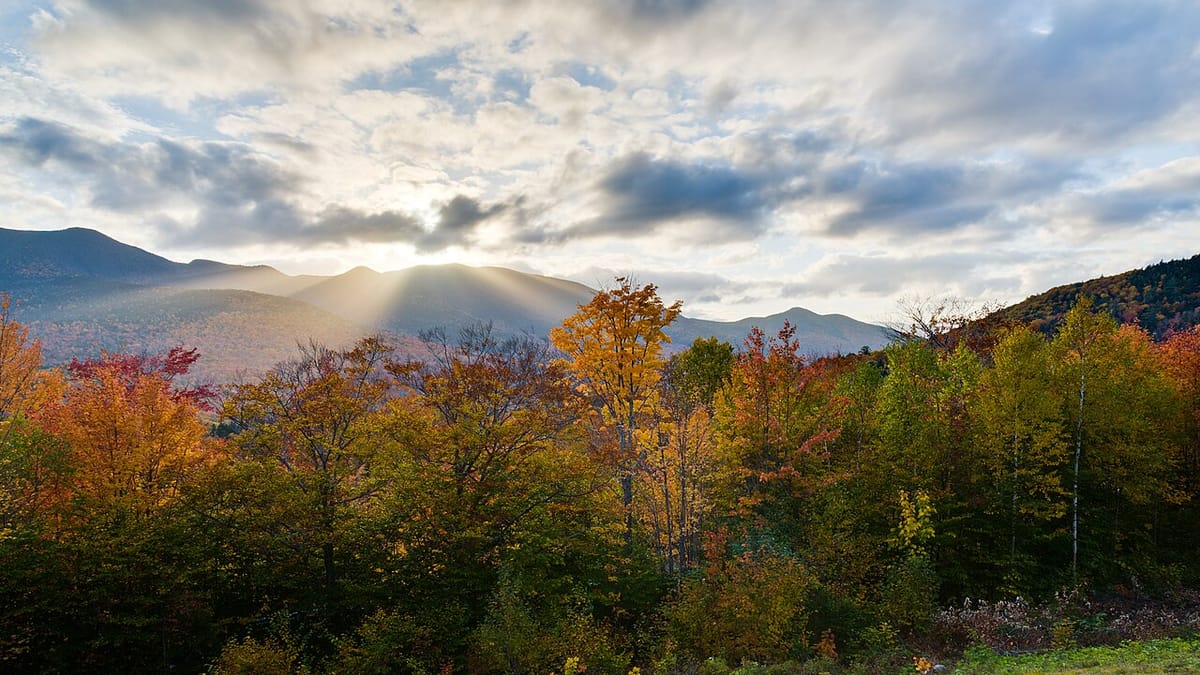
New England's best fall hikes trade summer's leaf-walled trails for wide-open views: a fire-tower ledge over Winnipesaukee, a scramble to a mountain pond, a ridge walk above treeline linking three peaks in one day. Here are eight trails across Vermont, New Hampshire, Maine, and Massachusetts, ranked from easy overlooks to a full day out.
Camel's Hump, Vermont: the summit no one built on
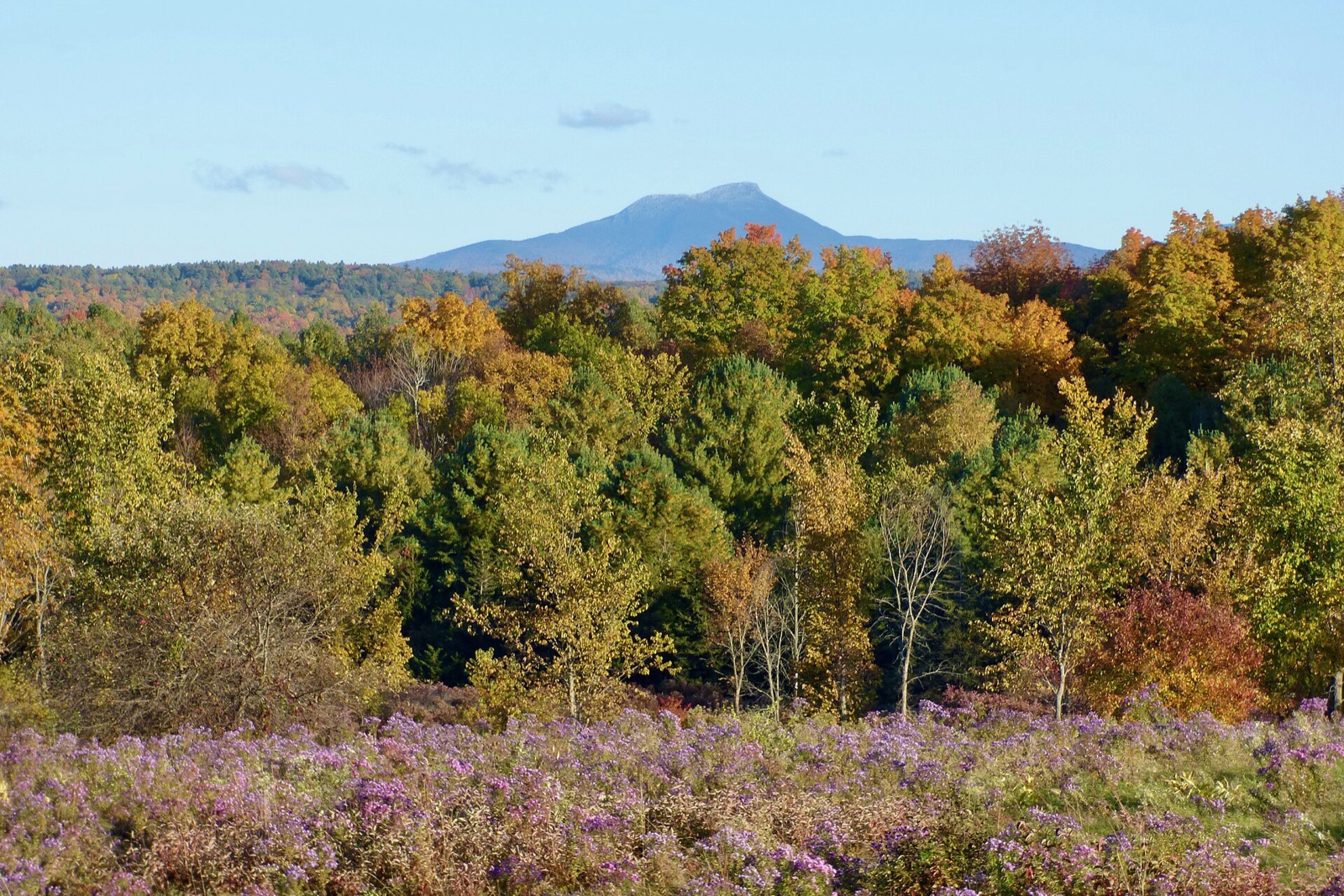
Camel's Hump is the most recognizable skyline in Vermont, a bare rock hump visible from I-89 and ridgelines fifty miles off. Unlike nearly every other big peak in the state, no ski trail was ever cut into it and no road reaches the summit, so it still feels genuinely wild. The standard route up the Monroe Trail climbs steadily through hardwood forest that colors well before the exposed summit rock, then finishes with a short scramble over open ledge into alpine tundra, the same fragile plant community you'd expect on a much taller Presidential peak. Fall is the season for it: the bugs are gone, the hardwoods below treeline are at their best, and the summit view can reach the Adirondacks on a clear day. It's a full morning or afternoon out, steady rather than brutal, with a genuine scramble near the top. Expect company on October weekends (the parking area fills early), but weekday mornings are quiet.

Mount Willard, New Hampshire: the view every postcard steals
If you've seen one photo of New Hampshire fall foliage, there's a decent chance it was shot from Mount Willard. The trail leaves from the AMC's Highland Center at Crawford Notch and climbs an old carriage road, gentle enough that it barely feels like a hike until the trees open onto a cliff-edge view straight down the notch, Mount Webster's cliffs on one side and the valley floor carpeted in color on the other. It's one of the shortest approaches to a big view anywhere in the White Mountains, which makes it a legitimate family hike and also means a crowd: arrive early, especially near October 12–October 16, 2026 (forecast). This is the shot our fall foliage photography guide points people toward for a reason.
Franconia Ridge, New Hampshire: the state's best full day
Franconia Ridge is the hike serious leaf peepers build a whole trip around. The classic loop climbs Falling Waters Trail past a string of waterfalls, breaks above treeline, and stays there: a rare above-the-clouds traverse over Little Haystack, Mount Lincoln, and Mount Lafayette before dropping back down Old Bridle Path. In fall, the ridge puts the color show beneath your feet instead of overhead: hardwood slopes burning red and gold thousands of feet below an alpine ridge that's already gone brown and windswept. This is a genuinely full day, exposed to weather the entire way across, and not a trail to start late or underdress for.
It's also one of the most popular hikes in the New Hampshire Whites, so the trailhead lot fills before sunrise on clear fall weekends. A weekday or an early start is the difference between having the ridge to yourself and waiting in line at the summit cairn.
Mount Major, New Hampshire: Winnipesaukee spread out below
For a shorter payoff, Mount Major near Alton Bay delivers one of the best lake views in the state for a fraction of the effort of Franconia Ridge. The trail climbs through oak and pine to open ledges at the summit, where the foundation of an old fire tower marks the high point and Lake Winnipesaukee spreads out below, its islands and inlets rimmed with turning maple and birch. It's a moderate half-day hike, popular enough with families that the parking lot is famous locally for filling by mid-morning on foliage weekends. The descent is gentle enough that it doesn't punish tired knees the way steeper Whites hikes do. Go early, or go on a weekday, and the ledges are mostly yours.
Tumbledown, Maine: a pond above the treeline
Tumbledown, in the hills west of Rangeley, mixes a genuine scramble with one of Maine's better-kept secrets: Tumbledown Pond, a glacial tarn tucked into a bowl just below the summit ridge. The Loop Trail is the popular but adventurous route, working up through a boulder chimney that requires hands as much as feet; hikers who'd rather skip the scramble can take the Parker Ridge Trail instead and still reach both the pond and the summit. Either way, the reward is the same: a swimmable alpine pond ringed by birch and fir turning color, with long views over western Maine. Tumbledown draws a devoted following but far fewer visitors than the White Mountains' big names, so fall weekdays here can feel close to empty.
Mount Battie, Maine: Camden Harbor from a stone tower
Mount Battie is the hike to send anyone who claims they don't hike. A short, steady climb through Camden Hills State Park (or a short drive up the auto road, if you're chaperoning someone who really won't) ends at a stone tower with a view straight down over Camden's harbor, its schooners at anchor, and Penobscot Bay beyond: one of the few fall views in New England where ocean and turning hillside share the same frame. It's an easy outing, rarely more than an hour or two round trip on foot, which makes it one of the most crowded summits on this list. Midweek mornings are the best shot at having the tower to yourself.
Monument Mountain, Massachusetts: where Hawthorne met Melville
In the Berkshires, Monument Mountain trades big vertical for striking white quartzite ledges and a genuine piece of literary history: Nathaniel Hawthorne and Herman Melville reportedly met for the first time on this mountain in 1850, sheltering from a thunderstorm on the summit rocks. The Indian Monument Trail loop climbs through oak and maple to the exposed ledges near the top, with views west across the Berkshires that are especially good once the canopy below has turned. It's a moderate half-day hike, short enough to pair with a stop in Great Barrington or a drive up toward the Vermont border, and busy on fall weekends but rarely as packed as the bigger White Mountains summits.
Mount Greylock, Massachusetts: the roof of the Bay State
Greylock is the high point of Massachusetts, and it feels like it: a genuine mountain summit with a stone war memorial tower, a historic summit lodge, and views that on a clear fall day reach well past the state's own borders. Hikers can make a full day of it on the Appalachian Trail corridor or one of the steeper approach trails through hardwood forest that colors early on the upper slopes; those who'd rather save their legs can drive the seasonal auto road to the summit and still get the view. Plan to linger. Bascom Lodge serves food at the top in season, making Greylock one of the few New England summits where a hot meal is part of the hike.

Timing it right
New England's fall hiking window moves fast: what's brilliant at elevation on the Whites' ridgelines can be bare a week before hardwood forests in the valleys below even start to turn. Elevation runs the show more than the calendar does, which is why the same weekend can deliver peak color on Mount Willard's cliffs and green trees at the trailhead below. Check October 7–October 11, 2026 (forecast) and October 10–October 14, 2026 (forecast) before committing to a drive, pack for temperatures much colder than the forecast at the trailhead (our fall day hike packing list covers exactly what that means in practice), and build in an early start, since daylight disappears fast this time of year and a ridge walk like Franconia is not the place to be caught after dark. If a road trip sounds better than a summit push, our guide to 2026's best leaf-peeping road trips covers the driving version of this same season.
Frequently asked
- What is the easiest fall hike in New England for families?
- Mount Willard in New Hampshire and Mount Battie in Maine are both short, gently graded climbs that end at big views, making them the safest bets for kids or first-time hikers.
- Which of these hikes has the fewest crowds?
- Tumbledown in western Maine draws far fewer hikers than the White Mountains' best-known trails, even though its summit pond and open ledges rival anything in New Hampshire.
- Do I need any special gear for a fall summit hike?
- Pack more warmth than the trailhead temperature suggests, plus a headlamp: daylight fades fast in autumn, and exposed summits run noticeably colder and windier than the valley floor.
- How do I know when a specific trail will be near peak color?
- Elevation changes everything: a summit ridge can be past peak while the trailhead below is still green. Check regional peak-color windows before committing to a long drive.
- Is Franconia Ridge appropriate for a first-time hiker?
- It's better attempted after some experience on shorter above-treeline trails. The ridge is fully exposed to weather for an extended stretch, and conditions there can change quickly.